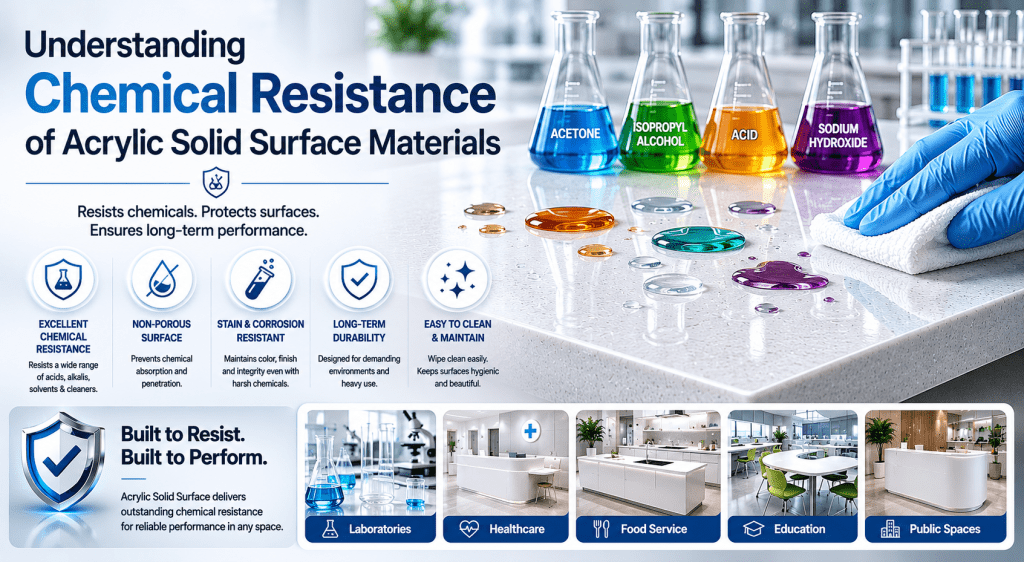
Chemical resistance is one of the most important performance characteristics of acrylic solid surface materials used in commercial interiors, healthcare facilities, laboratories, hospitality environments, and food preparation areas.
As a professional acrylic solid surface manufacturer with more than 20 years of fabrication and project experience, ACRION understands that chemical resistance is not simply about resisting acids or alkalis. It is closely related to material structure, non-porous performance, maintenance procedures, and long-term commercial durability.
This article explains how chemical resistance of acrylic solid surface materials should be properly evaluated in architectural and commercial applications.
What Is Chemical Resistance?
Chemical resistance refers to the ability of a material to maintain surface stability, appearance, and structural integrity after exposure to common household chemicals, commercial cleaning agents, disinfectants, and other substances encountered during daily use.
For acrylic solid surface materials, chemical resistance is particularly important in environments requiring frequent cleaning and sanitation.
- مرافق الرعاية الصحية
- عدادات الاستقبال في المستشفى
- المراحيض التجارية
- Restaurants and food preparation areas
- مختبرات
- قمم الغرور الفندق
- بيئات البيع بالتجزئة
Non-Porous Structure and Chemical Stability
Acrylic solid surface materials are manufactured using acrylic resin systems combined with engineered mineral fillers such as aluminum trihydrate (ATH).
The material structure is homogeneous and non-porous throughout the entire sheet thickness.
This non-porous structure helps reduce liquid penetration and improves resistance to many common household and commercial chemicals.
Because liquids cannot easily penetrate the material surface, cleaning procedures are generally easier and long-term surface hygiene performance is improved.
Resistance to Common Household Chemicals
Acrylic solid surface materials are commonly exposed to everyday household and commercial substances during normal usage.
تشمل الأمثلة النموذجية ما يلي:
- قهوة
- شاي
- Wine
- Vinegar
- Lemon juice
- محاليل الصابون
- Disinfectants
- مستحضرات التجميل
- Food preparation residues
In most interior architectural applications, acrylic solid surface provides excellent resistance to these commonly encountered substances when cleaned according to standard maintenance procedures.
Commercial Cleaning and Sanitation Performance
One of the major advantages of acrylic solid surface materials is their suitability for repeated commercial cleaning and sanitation.
In healthcare and hospitality environments, surfaces are frequently cleaned using disinfectants and commercial cleaning products.
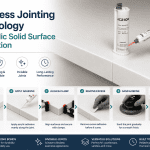
The seamless fabrication capability of acrylic solid surface also helps reduce contamination areas and simplifies cleaning procedures.
- Seamless appearance
- Reduced dirt accumulation
- Fewer hygiene dead corners
- Simplified maintenance procedures
- Improved long-term surface cleanliness
معايير اختبار المقاومة الكيميائية
Chemical resistance performance of architectural surface materials is typically evaluated using standardized testing procedures.
Common industry testing references may include:
- ASTM chemical exposure testing methods
- Household chemical resistance evaluations
- Commercial cleaning durability testing
- Surface appearance retention testing
These tests evaluate whether exposure to chemicals causes:
- تغير اللون
- Surface damage
- فقدان اللمعان
- تليين
- Cracking
- Permanent staining
Difference Between Chemical Resistance and Stain Resistance
Chemical resistance and stain resistance are related but different performance characteristics.
| نوع الأداء | وصف |
|---|---|
| المقاومة الكيميائية | Resistance to chemical exposure and surface degradation |
| مقاومة البقع | Resistance to visible staining or discoloration |
| Hygiene Performance | Ease of cleaning and sanitation maintenance |
Acrylic solid surface combines these characteristics through its non-porous material structure and renewable surface technology.
Renewable Surface and Repairability
واحدة من أهم مزايا السطح الصلب الأكريليكي هي قدرته على تجديد السطح.
If localized chemical damage or surface marks occur, many areas can often be restored through:
- الصنفرة المهنية
- إعادة طلاء السطح
- إجراءات التلميع
- أعمال الإصلاح المحلية
This renewable maintenance capability helps extend the long-term service life of the material in commercial environments.
Important Usage Limitations
Although acrylic solid surface materials provide excellent resistance to many common household and commercial chemicals, no architectural material is completely resistant to all chemical exposure conditions.
Users should avoid prolonged exposure to aggressive industrial solvents or highly concentrated chemicals without proper cleaning procedures.
Proper maintenance and immediate cleaning after chemical exposure are important for preserving long-term appearance performance.
Chemical Resistance in Commercial Applications
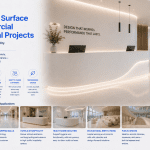
Acrylic solid surface materials are widely used in environments where regular cleaning, sanitation, and surface durability are essential.
- أسطح عمل الرعاية الصحية
- Hospital counters
- قمم الغرور التجارية
- Restaurant preparation surfaces
- عدادات خدمة البيع بالتجزئة
- Laboratory furniture systems
The combination of chemical resistance, seamless fabrication, and renewable maintenance makes acrylic solid surface highly suitable for these demanding interior environments.
خاتمة
Acrylic solid surface materials provide excellent resistance to many common household and commercial chemicals through their non-porous structure and engineered material composition.
In addition to chemical durability, the material also offers seamless fabrication capability, hygienic performance, and renewable surface maintenance advantages.
These characteristics make acrylic solid surface a highly reliable material solution for healthcare, hospitality, retail, laboratory, and commercial interior applications worldwide.
At ACRION, we continue to develop acrylic solid surface materials engineered for long-term architectural durability, fabrication reliability, and commercial maintenance performance.