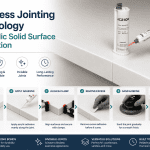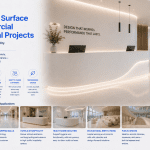

Backsplashes and upstands are important detailing elements in acrylic solid surface fabrication. Beyond splash protection, they contribute to hygiene performance, seamless appearance, and long-term functional durability in commercial and architectural interiors.
Because acrylic solid surface supports seamless bonding, coved transitions, and repairable surfaces, it is especially well suited for integrated splash detailing where cleanliness and visual continuity matter.
What Is the Difference Between a Backsplash and an Upstand?
Although these terms are sometimes used interchangeably, they describe different detailing approaches.
- Upstand: a low vertical return, typically used at the rear edge of worktops or counters.
- Backsplash: a taller vertical protective surface extending further up the wall.
Selection depends on hygiene requirements, visual design intent, and project application.
Why Acrylic Solid Surface Is Ideal for Splash Detailing
- Seamless visual integration
- Non-porous hygienic surface performance
- Repairable lifecycle value
- Coved transition capability
- مرونة التصنيع المخصصة
- Commercial durability
These characteristics make acrylic solid surface particularly effective for environments where hygiene and clean detailing are critical. :contentReference[oaicite:2]{index=2}
1. Square Splash vs Coved Splash Detailing
Two common fabrication approaches are used.
- Square splash detailing: vertical panel meets horizontal surface with a defined seam.
- Coved splash detailing: curved transition eliminates the sharp internal angle.
Coved detailing is often preferred for premium hygienic environments because it simplifies cleaning and reduces dirt accumulation zones. :contentReference[oaicite:3]{index=3}
2. Seam Detailing Considerations
- Visual seam control
- Alignment accuracy
- Color-matched adhesive strategy
- Wall interface tolerance management
- Long-term movement accommodation
Poor seam detailing immediately compromises appearance and performance.
3. Commercial Hygienic Applications
- Healthcare wash stations
- Hospital vanity systems
- Food preparation areas
- Hotel bathroom counters
- أسطح العمل المختبرية
- Commercial pantry installations
4. Design and Installation Considerations
- Required splash height
- Wall irregularity management
- Socket / fixture coordination
- Internal corner transitions
- Window sill intersections
- Water exposure conditions
5. Common Fabrication Mistakes
- Confusing decorative splash with hygienic detailing
- Poor seam alignment
- Ignoring wall movement tolerance
- Weak cove execution
- Inconsistent finish integration
- Improper adhesive selection
Quick Detailing Checklist
| Area | Primary Focus |
|---|---|
| Application | Hygiene vs splash protection |
| Detail type | Square or coved |
| Seams | Visual continuity |
| Wall interface | Tolerance management |
| Finish | Integrated appearance |
التعليمات
What is the difference between a solid surface backsplash and an upstand?
An upstand is typically a lower vertical return, while a backsplash extends higher for greater protection and design integration.
Why are coved backsplashes preferred in healthcare applications?
Because curved transitions reduce sharp dirt-trapping internal corners and improve cleanability. :contentReference[oaicite:4]{index=4}
Can acrylic solid surface backsplashes be seamless?
Yes. Seamless visual integration is one of acrylic solid surface’s major fabrication advantages. :contentReference[oaicite:5]{index=5}
Final Thoughts
Professional backsplash and upstand detailing is not simply decorative finishing—it is an important part of hygienic, durable, and architecturally integrated solid surface fabrication.
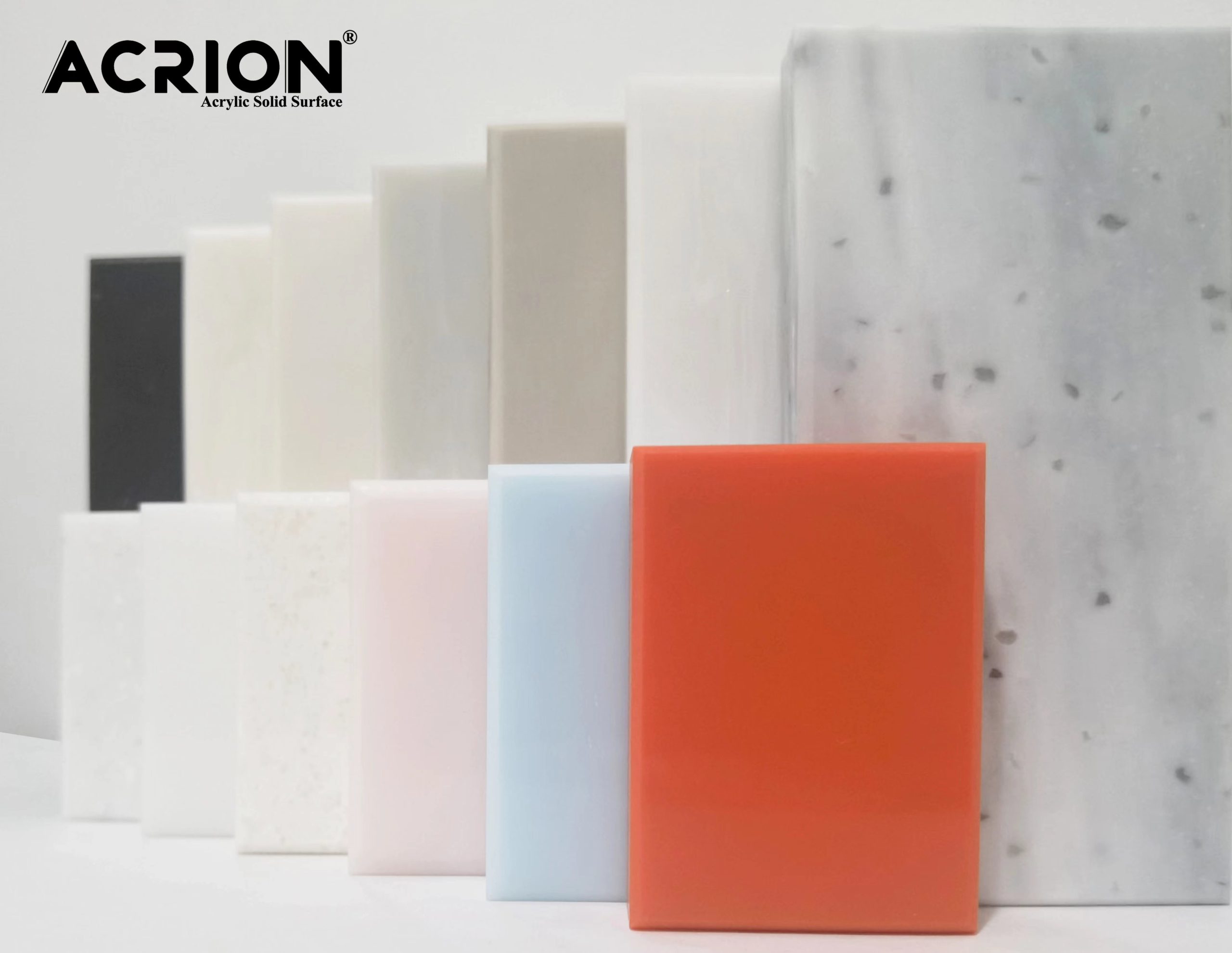
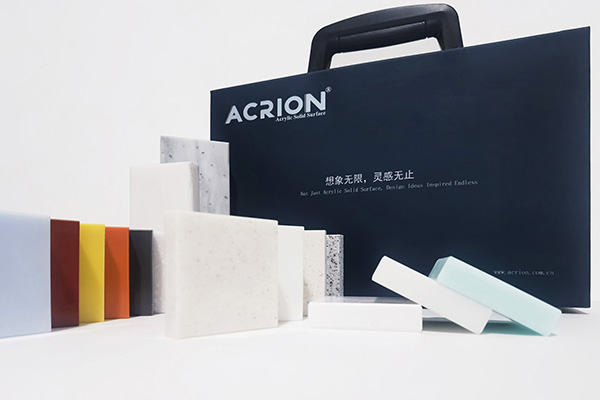
ACRION develops architectural acrylic solid surface materials engineered for seamless fabrication, hygienic detailing, and demanding commercial applications.