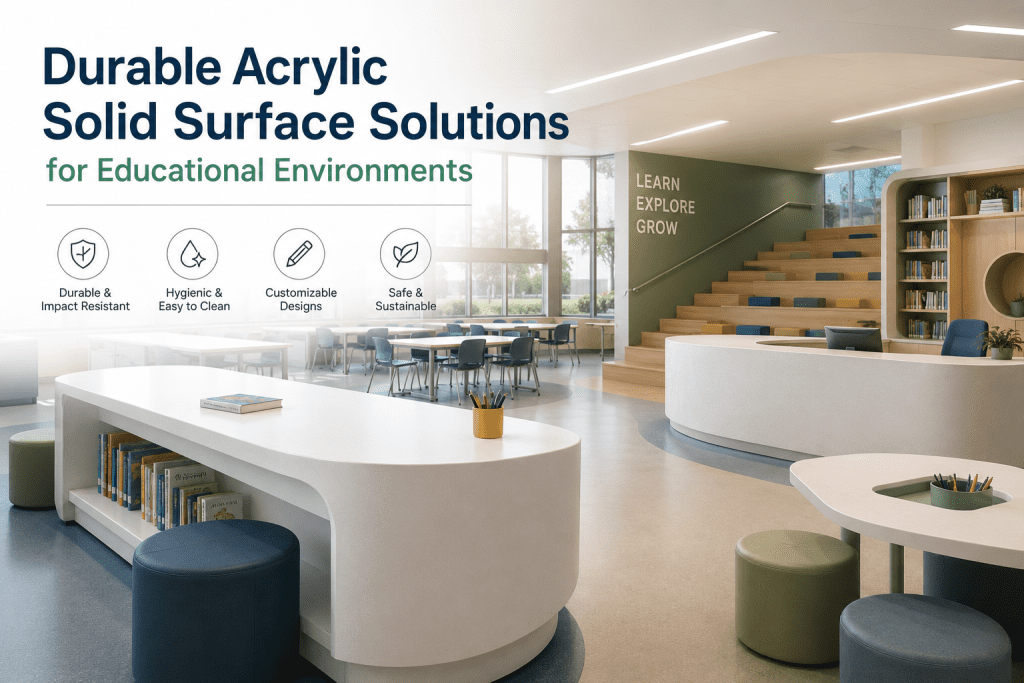
تتطلب البيئات التعليمية مواد سطحية تجمع بين المتانة والأداء الصحي ومقاومة البقع وكفاءة الصيانة والموثوقية التجارية على المدى الطويل. تتعرض المدارس والجامعات والمختبرات والكافيتريات وأماكن التعلم العامة لظروف الاستخدام اليومي المكثف، مما يجعل اختيار المواد مهمًا بشكل خاص للأداء التشغيلي على المدى الطويل.
يستخدم السطح الصلب الأكريليكي على نطاق واسع في التصميمات الداخلية التعليمية والمؤسسية لأنه يدعم التصنيع السلس وأداء السطح المتجدد وأنظمة الأحواض المتكاملة والتطبيقات التجارية المتينة. بالمقارنة مع العديد من المواد التقليدية، يوفر السطح الصلب الأكريليكي مزيجًا متوازنًا من مرونة التصنيع وقابلية الصيانة واتساق المظهر على المدى الطويل.
لماذا تتطلب البيئات التعليمية مواد سطحية متينة؟
تشهد المرافق التعليمية استخدامًا يوميًا مستمرًا من الطلاب والمعلمين والموظفين والزوار العامين. يجب أن تتحمل المواد السطحية الموجودة في هذه البيئات الاتصال الجسدي المستمر وإجراءات التنظيف والتأثيرات العرضية والتآكل التشغيلي طويل الأمد.
غالبًا ما تتضمن اعتبارات الأداء المهمة ما يلي:
- مقاومة التأثير
- مقاومة للخدش والبقع
- أسطح صحية غير مسامية
- سهولة التنظيف والصيانة
- استقرار المظهر على المدى الطويل
- إمكانية الإصلاح والأداء السطحي المتجدد
- أنظمة تصنيع سلسة
تعتبر هذه العوامل مهمة بشكل خاص في البيئات التعليمية ذات الحركة المرورية العالية حيث تؤثر كفاءة الصيانة على المدى الطويل والمتانة التشغيلية بشكل مباشر على تكاليف إدارة المنشأة.
مقاومة الصدمات وأداء الارتداء اليومي
تتعرض التصميمات الداخلية للمدارس والمؤسسات للاتصال الجسدي المتكرر، ونقل المعدات، والاصطدامات العرضية، والاستخدام اليومي المكثف. يتم اختيار السطح الصلب الأكريليكي عادة للبيئات التعليمية التجارية بسبب متانته الهيكلية المتوازنة وخصائص السطح القابلة للإصلاح.
قد تشمل التطبيقات:
- أنظمة مغاسل حمامات الطلاب
- عدادات الاستقبال المدرسية
- أسطح العمل المختبرية
- عدادات خدمة الكافتيريا
- مجالات إعداد المعلم
- كونترتوب مساحة التعلم العامة
تعد طرق التصنيع الاحترافية مثل التعزيز المناسب والترابط السلس وهياكل الدعم المناسبة مهمة أيضًا لأداء المتانة على المدى الطويل.
مقاومة البقع ومتطلبات الأسطح الصحية
غالبًا ما تتطلب المرافق التعليمية مواد يسهل تنظيفها وصيانتها في ظل ظروف الاستخدام اليومي المتكرر. يوفر السطح الصلب من الأكريليك بنية سطحية غير مسامية تساعد على تقليل امتصاص الرطوبة وتبسيط إجراءات التنظيف.
خصائص سطحها الصحية تجعلها مناسبة لـ:
- دورات المياه المدرسية
- غرف طبية وممرضة
- مناطق تقديم الطعام
- بيئات المختبرات
- محطات غسيل الأيدي العامة
يساعد التصنيع السلس أيضًا على تقليل المفاصل المكشوفة حيث قد تتراكم الأوساخ أو الرطوبة أو الملوثات بمرور الوقت.
أنظمة مغاسل وأسطح عمل سلسة للمدارس
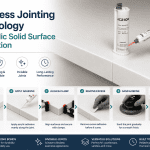
يتم استخدام أنظمة الأحواض وأسطح العمل المتكاملة بشكل متزايد في البيئات التعليمية لأنها تعمل على تحسين كفاءة النظافة والصيانة. يسمح السطح الصلب الأكريليكي بتصنيع الأحواض وأسطح العمل في أنظمة سلسة مستمرة دون انتقالات مشتركة مرئية.
تستخدم هذه الأنظمة على نطاق واسع في:
- محطات غسيل الطلاب
- مختبرات العلوم
- مساحات تعليم الرعاية الصحية
- مناطق غسل اليدين بالكافتيريا
- أنظمة الغرور الحمامات العامة
بالمقارنة مع أنظمة البلاط التقليدية أو المواد المرتبطة ميكانيكيًا، غالبًا ما تعمل أنظمة الأسطح الصلبة غير الملحومة على تبسيط عملية التنظيف وتحسين إدارة الصيانة على المدى الطويل.
الصيانة والإصلاح على المدى الطويل
إحدى مزايا سطح الأكريليك الصلب في البيئات التعليمية هي قدرته على تجديد السطح. غالبًا ما يمكن إصلاح الخدوش البسيطة أو البقع أو تآكل السطح من خلال عمليات الصنفرة وإعادة الصقل بدلاً من استبدال المواد بالكامل.
بالنسبة للمشاريع المؤسسية ذات دورات الحياة التشغيلية الطويلة، تعد قابلية الإصلاح وقابلية الصيانة من العوامل المهمة في التحكم في تكاليف صيانة المنشأة على المدى الطويل.
تطبيقات في المدارس والجامعات وأماكن التعلم العامة
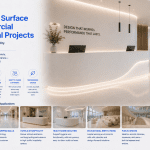
يستخدم السطح الصلب الأكريليكي على نطاق واسع في البيئات التعليمية والمؤسسية لأنه يجمع بين المتانة والنظافة ومرونة التصنيع والمظهر المعماري الحديث.
- الجامعات والكليات
- المدارس الابتدائية والثانوية
- مختبرات الطلاب
- مرافق الرعاية الصحية التعليمية
- الكافيتريات و قاعات الطعام
- بيئات التعلم العامة
- عدادات الاستقبال الإدارية
حلول الأسطح التعليمية من ACRION
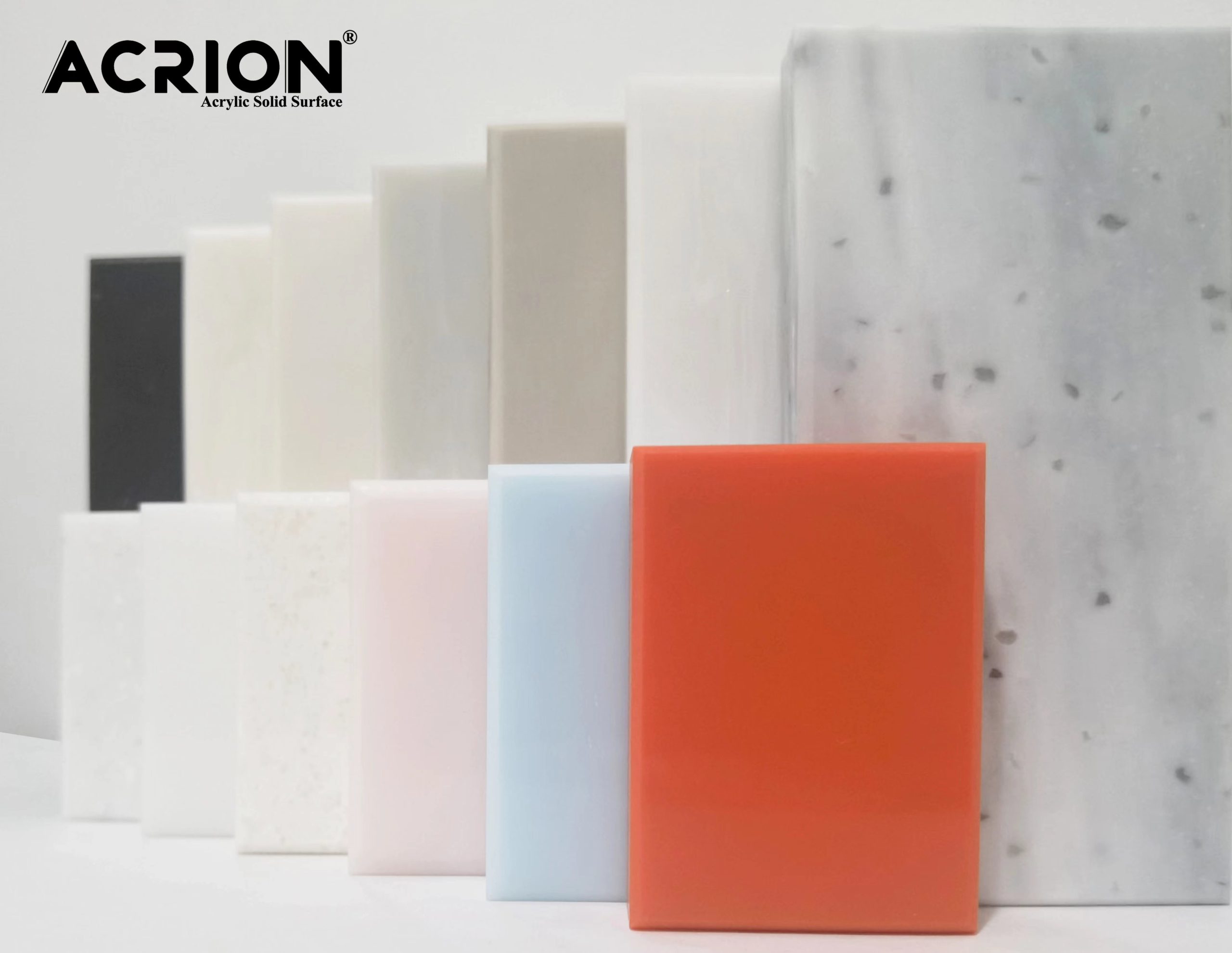
توفر ACRION مواد الأسطح الصلبة المعمارية للمرافق التعليمية وبيئات الرعاية الصحية والديكورات الداخلية للضيافة ومشاريع البيع بالتجزئة وتطبيقات التصنيع التجارية. تم تصميم أنظمتنا ذات الأسطح الصلبة المصنوعة من الأكريليك من أجل التصنيع السلس والمتانة طويلة الأمد والأداء الصحي والبيئات التجارية المؤسسية.
نحن نعمل مع المهندسين المعماريين والمصنعين والمقاولين والموزعين وفرق المشاريع المؤسسية في جميع أنحاء العالم لدعم التطبيقات الداخلية التعليمية الحديثة وأنظمة التصنيع الموجهة نحو المشاريع.