يعتمد التثبيت الاحترافي للأسطح الصلبة من الأكريليك بشكل كبير على إعداد الدعم المناسب وتوزيع الأحمال والتحكم في المحاذاة. حتى جودة التصنيع المتميزة يمكن أن تتعرض للخطر إذا كان الهيكل الداعم غير متساوٍ، أو غير مستقر، أو تم إعداده بشكل غير صحيح.
نظرًا لأن السطح الصلب الأكريليكي عبارة عن مادة سطحية مصنعة وليس عنصر إطار هيكلي، فإن جودة التثبيت تعتمد على أنظمة دعم جيدة التصميم تحافظ على المحاذاة، وتمنع تركيز الإجهاد، وتضمن استقرار الأبعاد على المدى الطويل.
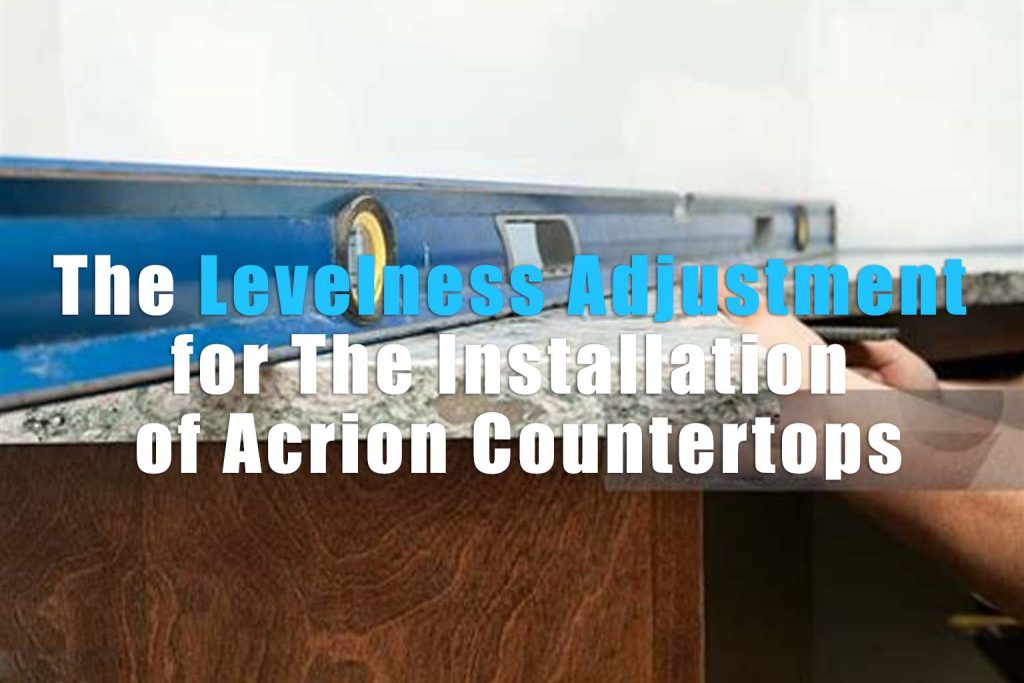
لماذا يهم دعم التسوية
قد يؤدي إعداد الدعم غير المناسب إلى اختلال واضح، وإجهاد التماس، والانحراف، وضعف أداء الحوض، ومشكلات الخدمة المبكرة.
تشمل المخاطر الشائعة ما يلي:
- مظهر كونترتوب غير متساوي
- اختلافات ارتفاع التماس واضحة
- انحراف طويل المدى
- تكسير الإجهاد في منطقة الحوض
- اختلال حافة الشلال
- دعم عدم الاستقرار
1. إعداد هيكل الدعم
قبل التثبيت، يجب تقييم أنظمة الخزانات أو الإطارات أو الركيزة الداعمة للتأكد من الاستقرار الهيكلي واتساق المحاذاة.
يجب أن يتحقق التفتيش:
- دعم هيكلي مستقر
- أسطح دعم المستوى
- لا هزاز أو حركة
- الاتصال المستمر الحاملة عند الاقتضاء
يجب ألا تعتمد تركيبات الأسطح الصلبة أبدًا على ظروف دعم غير مستقرة أو غير متساوية.
2. مبادئ توزيع الأحمال
يعمل السطح الصلب الأكريليكي بشكل أفضل عندما يتم توزيع الأحمال بالتساوي عبر هيكل الدعم بدلاً من تركيزها في المناطق المعزولة.
وينبغي إيلاء اهتمام خاص إلى:
- مناطق انقطاع بالوعة
- فترات طويلة غير مدعومة
- واجهات الأجهزة الثقيلة
- ظروف تحميل سطح العمل التجاري
يمكن أن يؤدي الدعم غير المتساوي إلى حدوث ضغط خفي قد يؤدي لاحقًا إلى التشقق أو التشويه.
3. محاذاة الخزانة والركيزة
يجب محاذاة أنظمة الخزانات والركائز الهيكلية بشكل صحيح قبل بدء تركيب السطح.
يجب أن تقوم مراقبة الجودة بمراجعة:
- مجلس الوزراء أعلى الاستواء
- اتساق الركيزة
- دعم نقطة التوحيد
- تنسيق الأبعاد مع التجميعات الملفقة
إن محاولة التعويض عن أخطاء الدعم الرئيسية أثناء التثبيت النهائي تزيد من مخاطر المشروع.
4. إدارة الدعم طويل المدى
قد تتطلب التجميعات المصنعة الأطول تخطيطًا هيكليًا إضافيًا لمنع الانحراف والحركة البصرية بمرور الوقت.
تشمل التطبيقات الحساسة النموذجية ما يلي:
- عدادات الاستقبال
- عدادات الخدمة التجارية
- أنظمة الغرور الكبيرة
- مجموعات الأثاث المخصصة
يجب تقييم استراتيجية الدعم كجزء من هندسة التصنيع، وليس ارتجالها أثناء التثبيت.
5. منع إجهاد التماس
غالبًا ما تؤدي مخالفات الدعم إلى تركيز الضغط عند اللحامات.
تشمل النتائج المحتملة ما يلي:
- حواف التماس مرئية
- مظهر مشترك غير متساوي
- التعب التماس على المدى الطويل
- خطر التشقق الموضعي
يعد إعداد الدعم المناسب جزءًا أساسيًا من جودة التثبيت السلس.
6. حافة الشلال واستقرار العودة العمودية
تتطلب التطبيقات التي تشتمل على حواف شلالية أو عوائد ملفقة رأسية تنسيق دعم منضبطًا بشكل خاص.
يجب أن يتحقق التفتيش:
- اتساق المحاذاة
- دعم عمودي مستقر
- هندسة التماس نظيفة
- لا يوجد ملاءمة قسرية تسبب الإجهاد
7. فحص جودة التثبيت النهائي
يجب أن يجمع الفحص النهائي بين التحقق الفني وتقييم الجودة البصرية.
- مراجعة محاذاة السطح
- فحص اتساق التماس
- دعم تأكيد الاستقرار
- فحص الانحراف
- مراجعة صنعة الشاملة
قائمة التحقق من إعداد الدعم السريع
| منطقة التفتيش | التركيز على الجودة |
|---|---|
| هيكل الدعم | مستقرة ومستوية |
| محاذاة مجلس الوزراء | هندسة الدعم المتسقة |
| مسافات طويلة | التحكم في الانحراف |
| مناطق بالوعة | توزيع الأحمال |
| طبقات | الوقاية من التوتر |
| العوائد العمودية | تكامل الدعم المستقر |
التطبيقات التي يكون فيها دعم التسوية أكثر أهمية
- عدادات الاستقبال
- أنظمة الغرور الفندقية
- أسطح عمل الرعاية الصحية
- عدادات البيع بالتجزئة
- مناطق الخدمات التجارية
- التجمعات المعمارية المصنعة
التعليمات
هل يمكن للسطح الصلب من الأكريليك تعويض الدعم غير المتساوي؟
لا، لا ينبغي أن يتوقع من السطح الصلب أن يصحح الإعداد الهيكلي السيئ.
لماذا تصبح اللحامات مرئية أحيانًا بعد التثبيت؟
تعد حركة الدعم والتحميل غير المتساوي وتركيز الإجهاد من العوامل المساهمة الشائعة.
لماذا تعتبر مناطق الحوض حساسة من الناحية الهيكلية؟
تقلل الفتحات من استمرارية المواد، مما يجعل الدعم المناسب وتوزيع الأحمال أمرًا مهمًا بشكل خاص.
الأفكار النهائية
تعتمد تركيبات الأسطح الصلبة المصنوعة من الأكريليك الاحترافية على إعداد الدعم الهندسي، وتوزيع الحمل المنضبط، والتحكم الدقيق في المحاذاة - وليس التصحيح المرتجل بعد التصنيع.
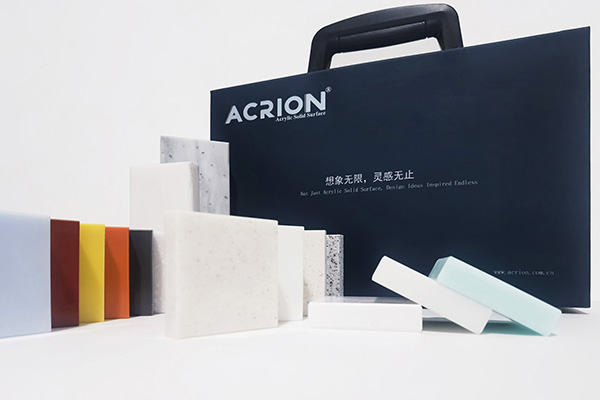
تقوم ACRION بتطوير مواد الأسطح الصلبة المعمارية المصممة لضمان موثوقية التصنيع والتكامل السلس وتطبيقات المشاريع التجارية الصعبة.