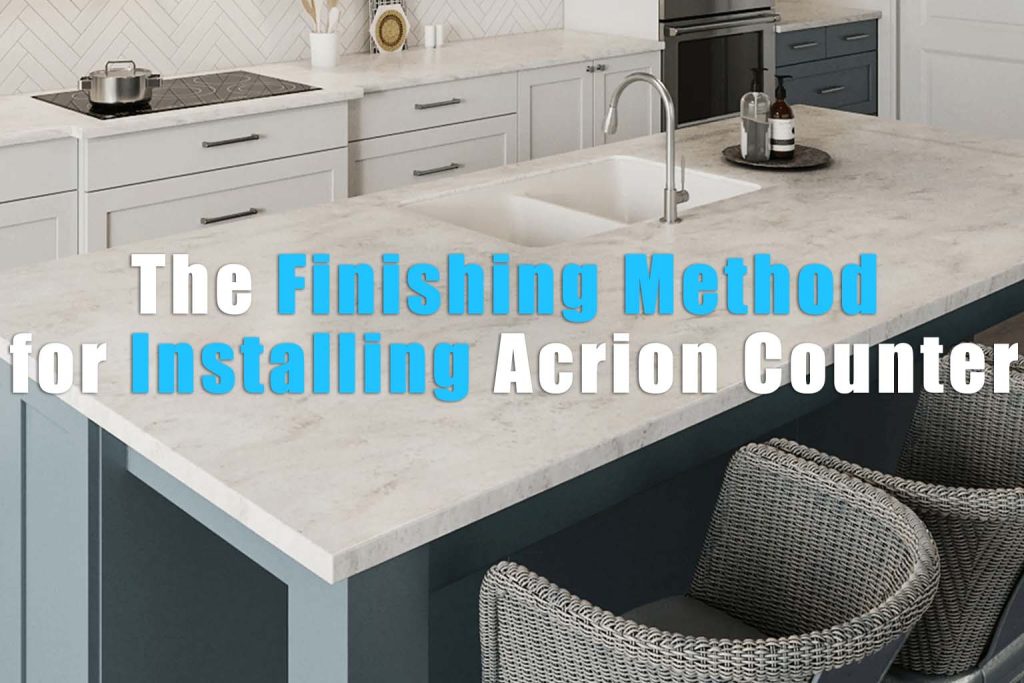
คุณภาพการตกแต่งเป็นหนึ่งในตัวชี้วัดที่ชัดเจนที่สุดของการผลิตพื้นผิวอะคริลิกแข็งระดับมืออาชีพ แม้ว่าจะใช้วัสดุระดับพรีเมียม แต่การตกแต่งขั้นสุดท้ายที่ไม่มีประสิทธิภาพอาจส่งผลต่อรูปลักษณ์ การผสานรวมที่ราบรื่น ความทนทาน และมูลค่าโดยรวมของโครงการ
สำหรับสถาปนิก ผู้ผลิต ผู้จัดจำหน่าย และทีมงานโครงการ การทำความเข้าใจมาตรฐานการตกแต่งที่เหมาะสมเป็นสิ่งสำคัญเพื่อให้บรรลุการใช้งานพื้นผิวแข็งคุณภาพเชิงพาณิชย์ที่สม่ำเสมอ
เหตุใดการตกแต่งขั้นสุดท้ายจึงมีความสำคัญในการผลิตพื้นผิวแข็ง
พื้นผิวอะคริลิกแข็งเป็นที่รู้จักในด้านการผลิตที่ไร้รอยต่อ ความสามารถในการซ่อมแซม และความยืดหยุ่นในการออกแบบ อย่างไรก็ตาม ข้อดีเหล่านี้ขึ้นอยู่กับความชำนาญในการตกแต่งเป็นอย่างมาก
คุณภาพการตกแต่งที่ไม่ดีอาจส่งผลให้:
- เส้นตะเข็บที่มองเห็นได้
- ความเงาไม่สอดคล้องกัน
- ข้อบกพร่องของขอบ
- รอยขีดข่วนบนพื้นผิว
- การเปลี่ยนแปลงที่ไม่สม่ำเสมอ
- ลักษณะการซ่อมแซมไม่ดี
- การรับรู้คุณภาพผลิตภัณฑ์ลดลง
1. หมวดหมู่การตกแต่งพื้นผิว
การใช้งานที่แตกต่างกันต้องการรูปลักษณ์ภายนอกที่แตกต่างกัน ขึ้นอยู่กับความสวยงาม ความคาดหวังในการบำรุงรักษา และเงื่อนไขการใช้งาน
| ประเภทเสร็จสิ้น | ลักษณะทั่วไป | การใช้งานทั่วไป |
|---|---|---|
| แมท | การสะท้อนแสงต่ำ การบำรุงรักษาในทางปฏิบัติ | การดูแลสุขภาพ เวิร์คทอป การต้อนรับ |
| ซาติน | รูปลักษณ์และการบำรุงรักษาที่สมดุล | การตกแต่งภายในเชิงพาณิชย์เคาน์เตอร์ |
| กึ่งเงา | การสะท้อนแสงที่สูงขึ้น | ขายปลีกและตกแต่งภายใน |
| เงา | ผลกระทบต่อภาพที่แข็งแกร่ง | การเลือกใช้งานตกแต่ง |
การเลือกการตกแต่งควรตรงกับฟังก์ชันของโปรเจ็กต์ ไม่ใช่ความสวยงามเพียงอย่างเดียว
2. หลักการตกแต่งพื้นผิว
การตกแต่งพื้นผิวที่สม่ำเสมอต้องมีการควบคุมกระบวนการแบบก้าวหน้ามากกว่าการขัดเงาขั้นตอนเดียวที่รุนแรง
วัตถุประสงค์หลัก ได้แก่ :
- ลักษณะพื้นผิวที่สม่ำเสมอ
- การปรับแต่งรอยขีดข่วนที่ควบคุมได้
- เสร็จสิ้นความสอดคล้องตลอดการติดตั้งทั้งหมด
- คุณภาพสัมผัสที่สะอาด
การตกแต่งที่ไม่สอดคล้องกันมักจะมองเห็นได้ทันทีภายใต้แสงที่มีทิศทาง
3. คุณภาพการผสมตะเข็บ
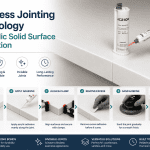
ข้อได้เปรียบที่ยิ่งใหญ่ที่สุดของพื้นผิวอะคริลิกแข็งประการหนึ่งคือการบูรณาการภาพที่ไร้รอยต่อ
อย่างไรก็ตาม ขึ้นอยู่กับการดำเนินการให้เสร็จสิ้นหลังจากการติดประสานเป็นอย่างมาก
- การเปลี่ยนตะเข็บอย่างราบรื่น
- ไม่มีเอฟเฟกต์สันเขาที่เห็นได้ชัดเจน
- พื้นผิวเคลือบโดยรอบสม่ำเสมอ
- การผสมผสานภาพที่สมดุล
การตกแต่งตะเข็บที่ไม่ดีอาจทำให้วัสดุระดับพรีเมียมดูมีคุณภาพต่ำ
4. การตกแต่งขอบและรายละเอียดโปรไฟล์
รายละเอียดขอบมีอิทธิพลอย่างมากต่อความทนทาน ความปลอดภัยของผู้ใช้ และการรับรู้ทางสายตา
การรักษาขอบทั่วไป ได้แก่:
- ขอบปลดเปลื้อง
- โปรไฟล์ขอบโค้งมน
- ลักษณะขอบเคลือบหนาขึ้น
- การเปลี่ยนผ่านของน้ำตก
- รูปทรงขอบประดิษฐ์แบบกำหนดเอง
การตกแต่งขอบคุณภาพสูงควรให้รูปทรงที่ราบรื่นและความสม่ำเสมอในการมองเห็น
5. เสร็จสิ้นความสม่ำเสมอของส่วนประกอบต่างๆ
ในโครงการเชิงพาณิชย์ การตกแต่งระหว่างแผงหรือส่วนที่ประกอบไม่สอดคล้องกันทำให้เกิดปัญหาด้านคุณภาพที่ชัดเจน
การตรวจสอบควรตรวจสอบ:
- ระดับความมันวาวสม่ำเสมอ
- ลักษณะพื้นผิวที่สม่ำเสมอ
- การสะท้อนภาพที่สมดุล
- ไม่มีการแยกการตกแต่งที่ไม่ตรงกัน
6. ความสามารถในการซ่อมแซมและการตกแต่งใหม่
ข้อได้เปรียบที่สำคัญประการหนึ่งของพื้นผิวอะคริลิกที่เป็นของแข็งคือการหมุนเวียนได้
ความเสียหายเล็กน้อยมักจะได้รับการปรับปรุงให้ดีขึ้นโดยการควบคุมการตกแต่งใหม่ ขึ้นอยู่กับความรุนแรงของข้อบกพร่องและข้อกำหนดในการใช้งาน
ความสามารถในการซ่อมแซมนี้ทำให้พื้นผิวอะคริลิกแข็งแตกต่างจากพื้นผิวตกแต่งที่ไม่สามารถซ่อมแซมได้จำนวนมาก
7. คำแนะนำการตกแต่งเฉพาะการใช้งาน
| แอปพลิเคชัน | ลำดับความสำคัญการตกแต่งที่แนะนำ |
|---|---|
| ดูแลสุขภาพ | สุขอนามัย ใช้งานได้จริง พื้นผิวที่ต้องบำรุงรักษาต่ำ |
| การต้อนรับขับสู้ | ความสวยงามและความทนทานที่สมดุล |
| ขายปลีก | ความสม่ำเสมอในการนำเสนอด้วยภาพ |
| เคาน์เตอร์ต้อนรับ | คุณภาพรายละเอียดภาพสูง |
| ท็อปครัวเชิงพาณิชย์ | ความทนทานและการบริการ |
รายการตรวจสอบคุณภาพการตกแต่งด่วน
| พื้นที่ตรวจสอบ | มุ่งเน้นคุณภาพ |
|---|---|
| เสร็จสิ้นพื้นผิว | รูปลักษณ์ที่สม่ำเสมอ |
| ตะเข็บ | การผสมผสานภาพที่ราบรื่น |
| ขอบ | รูปทรงเรขาคณิตที่สะอาดและสม่ำเสมอ |
| เงา | ความสม่ำเสมอของการสะท้อนที่สมดุล |
| ซ่อมแซม | ลักษณะภาพแบบบูรณาการ |
ที่ซึ่งการตกแต่งอย่างมืออาชีพมีความสำคัญที่สุด
- เคาน์เตอร์ต้อนรับ
- ระบบโต๊ะเครื่องแป้งของโรงแรม
- เวิร์คทอปด้านการดูแลสุขภาพ
- เคาน์เตอร์ขายปลีก
- เฟอร์นิเจอร์สั่งทำพิเศษ
- การใช้งานพื้นผิวแข็งทางสถาปัตยกรรม
คำถามที่พบบ่อย
เหตุใดตะเข็บพื้นผิวแข็งบางส่วนจึงยังมองเห็นได้?
ตะเข็บที่มองเห็นได้มักเกิดจากการเตรียมการยึดติดที่อ่อนแอ การผสมที่ไม่ดี หรือการตกแต่งขั้นสุดท้ายที่ไม่สอดคล้องกัน
พื้นผิวอะคริลิกแข็งสามารถซ่อมแซมใหม่ได้หลังจากเสียหายหรือไม่?
ในหลายกรณีใช่ ข้อได้เปรียบที่สำคัญประการหนึ่งของพื้นผิวอะคริลิกที่เป็นของแข็งคือความสามารถในการซ่อมแซมและการต่ออายุพื้นผิวได้
พื้นผิวใดดีที่สุดสำหรับการใช้งานเชิงพาณิชย์?
มักนิยมใช้การตกแต่งแบบซาตินหรือแบบบำรุงรักษาต่ำ ขึ้นอยู่กับความต้องการของโครงการ
ความคิดสุดท้าย
การตกแต่งแบบมืออาชีพจะเปลี่ยนพื้นผิวอะคริลิกที่เป็นของแข็งจากวัสดุประดิษฐ์ให้เป็นโซลูชันทางสถาปัตยกรรมที่ประณีต
ACRION พัฒนาวัสดุพื้นผิวแข็งทางสถาปัตยกรรมที่ออกแบบมาเพื่อการผลิตที่ไร้รอยต่อ ประสิทธิภาพการตกแต่งที่ทนทาน และสภาพแวดล้อมเชิงพาณิชย์ที่มีความต้องการสูง