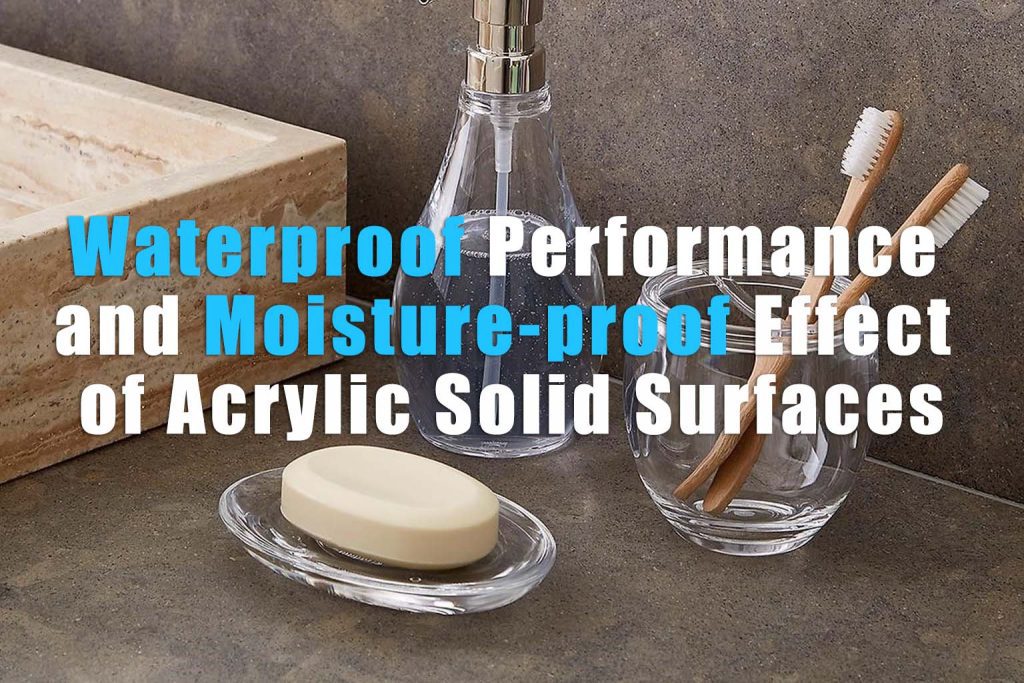
พื้นผิวอะคริลิกแข็งได้รับการระบุอย่างแพร่หลายสำหรับการตกแต่งภายในด้านการดูแลสุขภาพ ห้องน้ำในโรงแรม ระบบโต๊ะเครื่องแป้งเชิงพาณิชย์ สภาพแวดล้อมในห้องปฏิบัติการ และการใช้งานทางสถาปัตยกรรมที่ถูกสุขลักษณะ คำถามทั่วไปข้อหนึ่งจากสถาปนิกและผู้ซื้อโครงการคือ: พื้นผิวอะคริลิกแข็งกันน้ำได้หรือไม่?
คำตอบในทางปฏิบัติคือ ได้ ในแง่ของการต้านทานความชื้น แต่ต้องอาศัยคำอธิบายทางเทคนิคที่สำคัญ พื้นผิวอะคริลิกแข็งเป็น วัสดุพื้นผิวทางวิศวกรรมที่ไม่มีรูพรุนไม่ใช่เมมเบรนกันน้ำที่มีโครงสร้าง
ความแตกต่างนี้มีความสำคัญเมื่อประเมินประสิทธิภาพในสภาพแวดล้อมที่เปียกชื้น
พื้นผิวแข็งอะคริลิกกันน้ำได้หรือไม่?
พื้นผิวอะคริลิกแข็งมีความทนทานต่อการซึมผ่านของน้ำได้ดีเยี่ยม เนื่องจากวัสดุไม่มีรูพรุนตลอดทั้งความหนา
ต่างจากหินธรรมชาติที่มีรูพรุนหรือแผงตกแต่งที่ทำจากไม้ ความชื้นไม่สามารถซึมผ่านโครงสร้างของวัสดุได้ง่ายในระหว่างการใช้งานปกติ
อย่างไรก็ตาม ไม่ควรสับสนระหว่างพื้นผิวอะคริลิกแข็งกับระบบกันซึมในการก่อสร้าง เช่น เยื่อมุงหลังคา หรือแผงกั้นกันน้ำที่มีโครงสร้าง
ในการใช้งานสถาปัตยกรรมเชิงปฏิบัติ คำอธิบายที่ถูกต้องคือ:
- ทนต่อความชื้นได้ดีเยี่ยม
- ประสิทธิภาพพื้นผิวที่ไม่มีรูพรุน
- เหมาะมากสำหรับการใช้งานภายในที่เปียก
เหตุใดพื้นผิวอะคริลิกแข็งจึงทนทานต่อความชื้น
ข้อได้เปรียบด้านประสิทธิภาพมาจากโครงสร้างทางวิศวกรรมที่เป็นเนื้อเดียวกันของวัสดุ
พื้นผิวอะคริลิกที่เป็นของแข็งนั้นแตกต่างจากวัสดุตกแต่งแบบหลายชั้นเพราะเป็นวัสดุพื้นผิวที่มีความหนาแน่นและไม่มีรูพรุน
สิ่งนี้ให้ประโยชน์เชิงปฏิบัติหลายประการ:
- ลดการดูดซึมของเหลว
- ความต้านทานต่อการซึมผ่านของความชื้น
- ปรับปรุงประสิทธิภาพด้านสุขอนามัย
- ทนต่อการย้อมสีจากของเหลวบนพื้นผิวได้ดีกว่า
- ลดความเสี่ยงของความเสียหายที่ซ่อนอยู่จากความชื้น
เหตุใดการผลิตแบบไร้รอยต่อจึงมีความสำคัญในพื้นที่เปียก
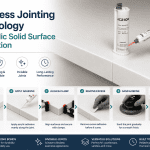
ข้อดีด้านประสิทธิภาพที่ใหญ่ที่สุดประการหนึ่งของพื้นผิวอะคริลิกที่เป็นของแข็งคือความสามารถในการผลิตที่ไร้รอยต่อ
ในสภาพแวดล้อมที่เปียกชื้น ปัญหาสุขอนามัยที่เกี่ยวข้องกับความชื้นไม่ได้เกิดจากตัววัสดุเอง แต่เกิดจากข้อต่อ ตะเข็บ แนวยาแนว หรือส่วนต่อประสานที่ปิดผนึกไม่ดี
พื้นผิวอะคริลิกแข็งช่วยลดความเสี่ยงเหล่านี้ เนื่องจากข้อต่อที่ประดิษฐ์ขึ้นสามารถบูรณาการการมองเห็นและปรับปรุงด้านสุขอนามัยได้ เมื่อเปรียบเทียบกับระบบพื้นผิวแบบแบ่งส่วนต่างๆ
สิ่งนี้มีคุณค่าอย่างยิ่งสำหรับ:
- สถานีล้างสุขภาพ
- ระบบโต๊ะเครื่องแป้งเชิงพาณิชย์
- ท็อปครัวในห้องปฏิบัติการ
- ห้องน้ำต้อนรับ
- ระบบผนังที่ถูกสุขลักษณะ
พื้นผิวแข็งเทียบกับวัสดุอื่นๆ ในสภาพแวดล้อมที่เปียกชื้น
| วัสดุ | ต้านทานความชื้น | สุขอนามัยของตะเข็บ | ความสามารถในการซ่อมแซม |
|---|---|---|---|
| พื้นผิวแข็งอะคริลิก | ยอดเยี่ยม | ยอดเยี่ยม | ยอดเยี่ยม |
| ลามิเนต | ทนทานต่อพื้นผิวเท่านั้น | ช่องโหว่ของขอบ | จำกัด |
| ควอตซ์ | ยอดเยี่ยม | ตะเข็บที่มองเห็นได้ | จำกัด |
| กระเบื้องเซรามิค | ดี | จำเป็นต้องมีการบำรุงรักษายาแนว | ต่ำ |
สำหรับการใช้งานสถาปัตยกรรมในพื้นที่เปียกที่ถูกสุขลักษณะ พื้นผิวอะคริลิกแข็งมีความสมดุลที่แข็งแกร่งเป็นพิเศษในการต้านทานความชื้น ความสวยงามที่ไร้รอยต่อ และการบำรุงรักษา
พื้นผิวแข็งอะคริลิกสามารถใช้ในห้องน้ำได้หรือไม่?
ใช่. พื้นผิวแข็งอะคริลิกใช้กันอย่างแพร่หลายในห้องน้ำและห้องน้ำ
การใช้งานทั่วไปได้แก่:
- อ่างล้างหน้าแบบรวม
- ท็อปส์ซูโต๊ะเครื่องแป้ง
- ผนังห้องอาบน้ำฝักบัว
- เคาน์เตอร์ห้องน้ำเชิงพาณิชย์
- ระบบห้องน้ำของโรงแรม
การต้านทานความชื้นและประสิทธิภาพด้านสุขอนามัยทำให้เหมาะอย่างยิ่งสำหรับสภาพแวดล้อมเหล่านี้
แม่พิมพ์พื้นผิวแข็งอะคริลิกทนทานหรือไม่?
เนื่องจากพื้นผิวอะคริลิกแข็งไม่มีรูพรุนและง่ายต่อการบำรุงรักษาอย่างถูกสุขลักษณะ จึงช่วยลดสภาวะที่มักรองรับการสะสมของเชื้อราหรือแบคทีเรีย
อย่างไรก็ตาม ประสิทธิภาพด้านสุขอนามัยยังคงขึ้นอยู่กับ:
- การทำความสะอาดที่เหมาะสม
- การประดิษฐ์ที่ถูกต้อง
- คุณภาพร่วมกัน
- การออกแบบการติดตั้งโดยรวม
ไม่ควรวางตลาดวัสดุพื้นผิวว่า "ไม่ต้องบำรุงรักษา" แต่พื้นผิวอะคริลิกแข็งทำงานได้ดีเป็นพิเศษในสภาพแวดล้อมที่ถูกสุขลักษณะที่ได้รับการควบคุม
ข้อควรพิจารณาในการผลิตสำหรับการใช้งานแบบเปียก
ประสิทธิภาพของวัสดุในสภาพแวดล้อมที่เปียกยังขึ้นอยู่กับคุณภาพการผลิตด้วย
ข้อควรพิจารณาที่สำคัญ ได้แก่ :
- การเตรียมข้อต่ออย่างเหมาะสม
- การใช้กาวที่ถูกต้อง
- คุณภาพการรวมอ่างล้างจาน
- รายละเอียดขอบ
- ความเข้ากันได้ของพื้นผิว
- การออกแบบการติดตั้งที่ถูกต้อง
แม้แต่วัสดุที่ดีเยี่ยมก็ยังต้องอาศัยการผลิตอย่างมืออาชีพเพื่อให้ได้ประสิทธิภาพตามที่คาดหวังในระยะยาว
คำถามที่พบบ่อย
พื้นผิวแข็งอะคริลิกดูดซับน้ำหรือไม่?
ภายใต้การใช้งานปกติ พื้นผิวแข็งอะคริลิกมีความทนทานต่อการดูดซึมน้ำได้ดีเยี่ยมเนื่องจากมีโครงสร้างที่ไม่มีรูพรุน
พื้นผิวอะคริลิกแข็งเหมาะสำหรับห้องน้ำหรือไม่?
ใช่. มีการใช้กันอย่างแพร่หลายสำหรับระบบโต๊ะเครื่องแป้ง อ่างล้างหน้าแบบรวม อ่างล้างหน้า และการใช้งานห้องน้ำในการต้อนรับ
เชื้อราสามารถเจริญเติบโตบนพื้นผิวแข็งได้หรือไม่?
พื้นผิวแข็งอะคริลิกที่มีลักษณะไม่มีรูพรุนช่วยลดการกักเก็บความชื้นที่เป็นมิตรกับเชื้อรา โดยเฉพาะอย่างยิ่งเมื่อเปรียบเทียบกับระบบที่มีรูพรุนหรือข้อต่อที่มีน้ำหนักมาก
พื้นผิวแข็งดีกว่าลามิเนตในพื้นที่เปียกหรือไม่?
สำหรับการใช้งานเชิงพาณิชย์ในพื้นที่เปียกที่มีความต้องการสูง โดยทั่วไปพื้นผิวอะคริลิกแข็งจะให้ประสิทธิภาพ สุขอนามัย และความสามารถในการซ่อมแซมในระยะยาวที่เหนือกว่า
พูดคุยกับ ACRION เกี่ยวกับโซลูชันพื้นผิวแข็งทางสถาปัตยกรรมที่ถูกสุขลักษณะ
ACRION ผลิตพื้นผิวอะคริลิกแข็งเกรดสถาปัตยกรรมสำหรับการใช้งานด้านการดูแลสุขภาพ การบริการ ห้องปฏิบัติการ การค้าปลีก และการตกแต่งภายในเชิงพาณิชย์ทั่วโลก
หากโครงการของคุณต้องการพื้นผิวที่ถูกสุขลักษณะ การสนับสนุนการออกแบบพื้นที่เปียก หรือการให้คำปรึกษาด้านข้อกำหนดทางเทคนิค ทีมงานของเราก็พร้อมที่จะช่วยเหลือ