พื้นผิวอะคริลิกแข็งถูกนำมาใช้กันอย่างแพร่หลายในห้องครัว พื้นที่ดูแลสุขภาพ การตกแต่งภายในโรงแรม ห้องน้ำ และสภาพแวดล้อมเชิงพาณิชย์ที่สุขอนามัยและความทนทานต่อความชื้นเป็นสิ่งสำคัญ คำถามทั่วไปจากสถาปนิก ผู้จัดจำหน่าย และผู้ซื้อโครงการคือพื้นผิวอะคริลิกแข็งสามารถพัฒนาเชื้อราได้หรือไม่
คำตอบสั้น ๆ : ตัววัสดุเองไม่รองรับการเจริญเติบโตของเชื้อราภายในเนื่องจากพื้นผิวแข็งอะคริลิกคุณภาพสูงไม่มีรูพรุน อย่างไรก็ตาม เชื้อรายังสามารถเกิดขึ้นรอบๆ ข้อต่อที่มีรายละเอียดต่ำ สารเคลือบหลุมร่องฟันที่ล้มเหลว พื้นผิวที่เปียก หรือพื้นที่โดยรอบที่ได้รับการดูแลไม่ดี
อะไรทำให้พื้นผิวอะคริลิกแข็งทนทานต่อเชื้อรา
พื้นผิวแข็งอะคริลิกที่ผลิตอย่างเหมาะสมต่างจากวัสดุธรรมชาติที่มีรูพรุน โดยมีโครงสร้างหนาแน่นและไม่มีรูพรุน ความชื้นไม่สามารถซึมเข้าสู่ตัววัสดุได้ง่าย ซึ่งทำให้ถูกสุขลักษณะมากกว่าวัสดุพื้นผิวทั่วไปทั่วไปอย่างมาก
นี่คือเหตุผลหนึ่งที่ทำให้พื้นผิวอะคริลิกแข็งถูกระบุอย่างกว้างขวางสำหรับ:
- เคาน์เตอร์ดูแลสุขภาพ
- สถานีล้างของโรงพยาบาล
- ท็อปครัวในห้องปฏิบัติการ
- โต๊ะเครื่องแป้งต้อนรับ
- พื้นผิวห้องน้ำสาธารณะ
- ผนังพื้นที่เปียกเชิงพาณิชย์
- พื้นที่จัดเตรียมบริการอาหาร
ความสามารถในการผลิตที่ไร้รอยต่อช่วยลดการดักจับสิ่งสกปรกและจุดสะสมของแบคทีเรีย เมื่อเทียบกับวัสดุที่แบ่งส่วน
ตำแหน่งที่เชื้อราปรากฏจริงในการติดตั้งพื้นผิวแข็ง
ในการใช้งานจริง เชื้อราไม่ค่อยเกิดขึ้นภายในพื้นผิวอะคริลิกที่เป็นของแข็ง ปัญหามักเกิดจากสภาวะการติดตั้งโดยรอบ
1. น้ำยาซีลซิลิโคนล้มเหลว
รอยต่อระหว่างท็อปโต๊ะ ผนัง อ่างล้างจาน หรือน้ำกระเด็นสามารถกักความชื้นได้หากสารเคลือบหลุมร่องฟันเสื่อมสภาพเมื่อเวลาผ่านไป
2. วัสดุพื้นผิวเปียก
หากไม้อัด ไม้ MDF หรือตู้เก็บของข้างใต้ยังคงชื้น การเจริญเติบโตของจุลินทรีย์อาจเกิดขึ้นหลังพื้นผิวที่เสร็จแล้ว
3. การระบายอากาศไม่ดี
ห้องน้ำ ห้องครัวที่มีความชื้น และพื้นที่เปียกที่ปิดล้อมโดยไม่มีการไหลเวียนของอากาศที่เหมาะสมสามารถกระตุ้นให้เชื้อราเจริญเติบโตรอบๆ วัสดุก่อสร้างที่อยู่ติดกัน
4. การบำรุงรักษาการทำความสะอาดที่ไม่เหมาะสม
คราบสบู่ เศษอาหาร การปนเปื้อนแบบอินทรีย์ และน้ำนิ่งสามารถสร้างสภาพพื้นผิวที่เชื้อราปรากฏขึ้นรอบๆ เส้นรอบวงการติดตั้ง
เหตุใดการผลิตแบบไร้รอยต่อจึงปรับปรุงสุขอนามัย
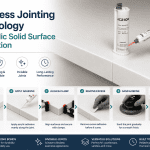
ข้อดีอย่างหนึ่งทางสถาปัตยกรรมที่สำคัญของพื้นผิวอะคริลิกที่เป็นของแข็งคือการต่อแบบไร้รอยต่อ
เมื่อเปรียบเทียบกับแนวยาแนวกระเบื้อง ข้อต่อขอบลามิเนต หรือตะเข็บหินที่มีรูพรุน พื้นผิวแข็งที่ประดิษฐ์ขึ้นอย่างมืออาชีพจะสร้างการเปลี่ยนผ่านที่ราบรื่นยิ่งขึ้นโดยมีกับดักการปนเปื้อนน้อยลง
ทำให้พื้นผิวอะคริลิกแข็งเหมาะอย่างยิ่งสำหรับโครงการที่คำนึงถึงสุขอนามัย
แนวทางปฏิบัติที่ดีที่สุดในการลดความเสี่ยงจากเชื้อรา
- ใช้เทคนิคการผลิตแบบไร้ตะเข็บแบบมืออาชีพ
- ซีลข้อต่อปริมณฑลด้วยซิลิโคนสุขาภิบาลคุณภาพสูง
- ตรวจสอบให้แน่ใจว่าโครงสร้างพื้นผิวแห้งและมั่นคง
- ออกแบบการระบายอากาศที่เพียงพอในสภาพแวดล้อมที่เปียก
- ขจัดความชื้นที่ติดอยู่ในระหว่างการบำรุงรักษาตามปกติ
- ตรวจสอบน้ำยาซีลอ่างล้างจานและ backsplash เป็นระยะ
พื้นผิวแข็งอะคริลิกเทียบกับวัสดุอื่นๆ ในสภาพแวดล้อมที่เปียกชื้น
| วัสดุ | ความพรุน | สุขอนามัยร่วม | ความเสี่ยงจากเชื้อรา |
|---|---|---|---|
| พื้นผิวแข็งอะคริลิก | ไม่มีรูพรุน | ยอดเยี่ยม | ต่ำ |
| หินธรรมชาติ | ตัวแปร | ปานกลาง | ปานกลาง |
| ลามิเนต | ปิดผนึกพื้นผิวเท่านั้น | ปานกลาง | ปานกลาง |
| กระเบื้องเซรามิค | กระเบื้องต่ำ / ยาแนวเปราะบาง | ยากจน | สูง |
การใช้งานเชิงพาณิชย์ที่สุขอนามัยมีความสำคัญ
- โรงพยาบาลและคลินิก
- ห้องน้ำของโรงแรม
- โซนเปียกสปา
- ห้องน้ำของสนามบิน
- เคาน์เตอร์เตรียมร้านอาหาร
- สภาพแวดล้อมด้านสุขอนามัยสาธารณะ
- สถานีล้างขายปลีก
คำถามที่พบบ่อย
พื้นผิวแข็งอะคริลิกสามารถเจริญเติบโตของเชื้อราได้หรือไม่?
ตัววัสดุเองไม่มีรูพรุน และโดยทั่วไปไม่รองรับการเจริญเติบโตของเชื้อราภายใน เชื้อรามักเกิดขึ้นตามรายละเอียดการติดตั้งโดยรอบหรือสภาพแวดล้อมที่เปียกชื้นที่ได้รับการดูแลไม่ดี
พื้นผิวอะคริลิกแข็งเหมาะสำหรับห้องน้ำหรือไม่?
ใช่. พื้นผิวอะคริลิกแข็งถูกนำมาใช้กันอย่างแพร่หลายในท็อปโต๊ะเครื่องแป้ง อ่างล้างหน้าแบบรวม ผนัง และการใช้งานเชิงพาณิชย์ในพื้นที่เปียก
พื้นผิวแข็งถูกสุขลักษณะมากกว่ากระเบื้องหรือไม่?
ในหลาย ๆ แอปพลิเคชันใช่ การผลิตที่ไร้รอยต่อช่วยขจัดแนวยาแนวที่มักกักความชื้นและสิ่งปนเปื้อน
ความคิดสุดท้าย
สำหรับสถาปนิก ผู้ผลิต และผู้ซื้อโครงการที่กำลังมองหาโซลูชันพื้นผิวที่ถูกสุขลักษณะ พื้นผิวแข็งอะคริลิกยังคงเป็นหนึ่งในวัสดุที่ใช้งานได้จริงมากที่สุดสำหรับสภาพแวดล้อมภายในที่เปียก เมื่อมีการประกอบและบำรุงรักษาอย่างถูกต้อง
ACRION พัฒนาโซลูชันพื้นผิวแข็งอะคริลิกทางสถาปัตยกรรมที่ออกแบบมาเพื่อการผลิต สุขอนามัย และประสิทธิภาพเชิงพาณิชย์ในระยะยาว