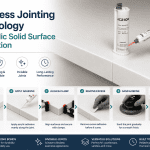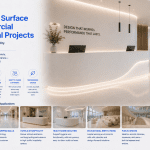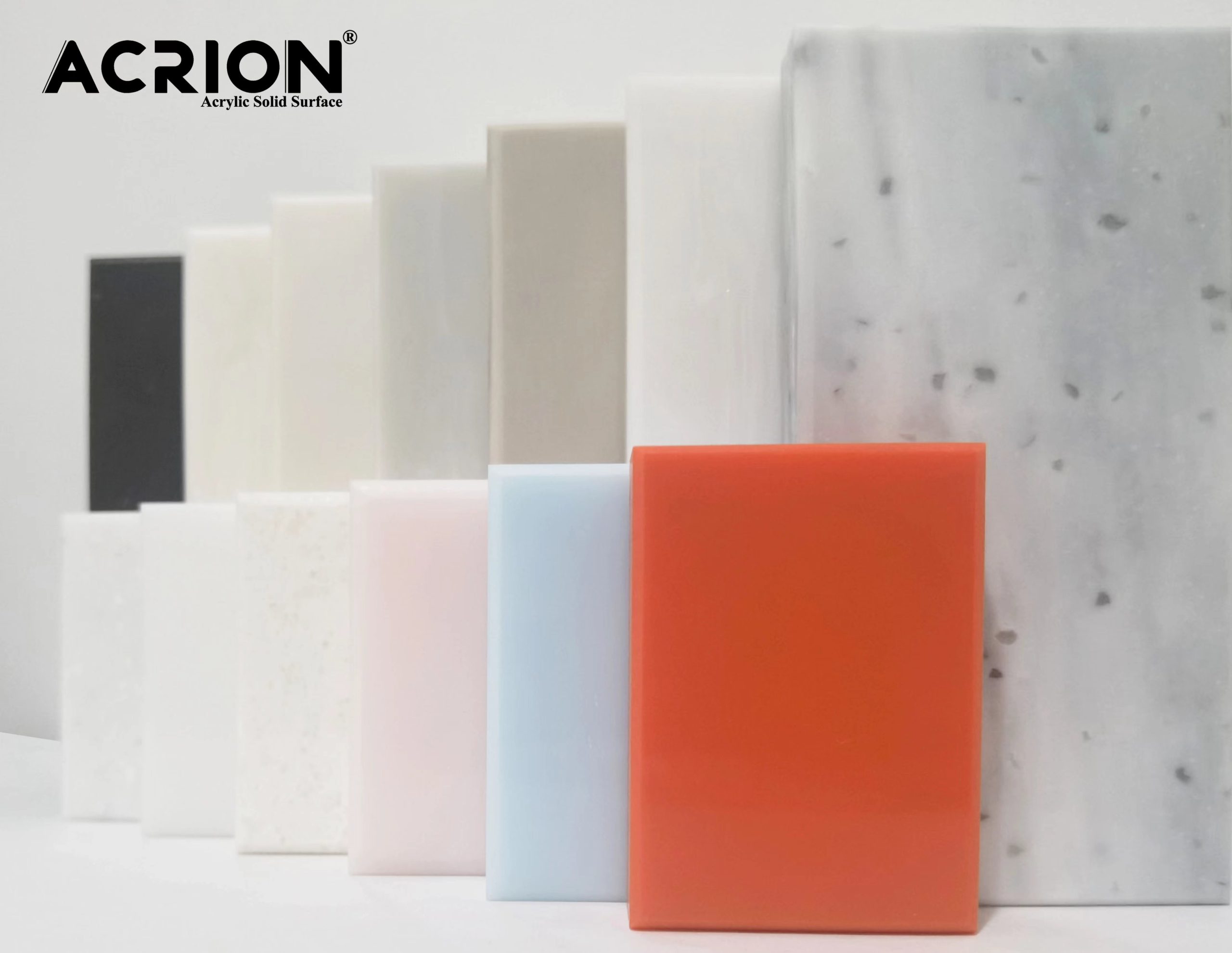
พื้นผิวแข็งอะคริลิกได้รับการยอมรับอย่างกว้างขวางถึงคุณลักษณะพื้นผิวที่หมุนเวียนได้และความสามารถในการซ่อมแซมในระยะยาว ในสถานพยาบาล การตกแต่งภายในโรงแรม สภาพแวดล้อมการค้าปลีก โครงการเชิงพาณิชย์ และการใช้งานในที่พักอาศัย พื้นผิวต่างๆ ต้องเผชิญกับการสัมผัส การเสียดสี และการใช้งานในชีวิตประจำวันอย่างต่อเนื่อง
เมื่อเวลาผ่านไป รอยขีดข่วนเล็กน้อยและการสึกหรอของพื้นผิวอาจปรากฏบนพื้นผิวที่ใช้บ่อยตามธรรมชาติ อย่างไรก็ตาม ข้อดีหลักประการหนึ่งของพื้นผิวแข็งอะคริลิกก็คือ ความเสียหายของพื้นผิวหลายรูปแบบสามารถซ่อมแซมได้โดยใช้ขั้นตอนการตกแต่งใหม่และการบูรณะ แทนที่จะต้องเปลี่ยนใหม่ทั้งหมด
ความสามารถของพื้นผิวที่หมุนเวียนได้นี้เป็นหนึ่งในเหตุผลที่พื้นผิวอะคริลิกแข็งยังคงมีมูลค่าสูงในการใช้งานภายในสถาปัตยกรรมสมัยใหม่
เหตุใดพื้นผิวอะคริลิกแข็งจึงซ่อมแซมได้
พื้นผิวอะคริลิกแข็งมีโครงสร้างวัสดุทั้งตัวที่เป็นเนื้อเดียวกัน แทนที่จะเป็นการเคลือบตกแต่งบางๆ หรือชั้นเคลือบ เนื่องจากองค์ประกอบของวัสดุยังคงสม่ำเสมอตลอดความหนาของแผ่น รอยขีดข่วนบนพื้นผิวจึงสามารถซ่อมแซมได้โดยขั้นตอนการขัดและตกแต่งใหม่
แตกต่างจากวัสดุตกแต่งอื่นๆ ที่จะเปิดเผยความเสียหายอย่างถาวรหลังการขีดข่วน พื้นผิวอะคริลิกแข็งช่วยให้สามารถซ่อมแซมได้เฉพาะจุด ในขณะที่ยังคงรักษาลักษณะการติดตั้งที่ไร้รอยต่อ
รอยขีดข่วนบนพื้นผิวประเภททั่วไป
สภาพแวดล้อมการใช้งานที่แตกต่างกันอาจทำให้เกิดการสึกหรอของพื้นผิวและรอยขีดข่วนที่แตกต่างกันเมื่อเวลาผ่านไป
- มีรอยถลอกเล็กน้อยทุกวัน
- ผิวหมองคล้ำจากการใช้ซ้ำ
- รอยขีดข่วนที่เกี่ยวข้องกับแรงกระแทก
- เครื่องหมายหมุนที่เกี่ยวข้องกับการทำความสะอาด
- การสึกหรอของพื้นผิวที่มีการจราจรสูง
- มีรอยขีดข่วนตามขอบ
รอยขีดข่วนบนพื้นผิวที่เบาและปานกลางส่วนใหญ่สามารถซ่อมแซมได้ด้วยวิธีการตกแต่งพื้นผิวแบบมืออาชีพ
การใช้งานเชิงพาณิชย์ขึ้นอยู่กับการสึกหรอของพื้นผิว
ในสภาพแวดล้อมทางสถาปัตยกรรมเชิงพาณิชย์ การติดตั้งพื้นผิวอะคริลิกแข็งมักต้องเผชิญกับการใช้งานอย่างต่อเนื่องและมีปริมาณการใช้งานสูงในแต่ละวัน
การใช้งานทั่วไปได้แก่:
- เคาน์เตอร์ต้อนรับเชิงพาณิชย์
- โต๊ะดูแลสุขภาพและสถานีพยาบาล
- ระบบโต๊ะเครื่องแป้งการต้อนรับ
- เคาน์เตอร์บริการร้านอาหาร
- พื้นผิวธุรกรรมการขายปลีก
- ระบบห้องน้ำสาธารณะ
- สภาพแวดล้อมทางการศึกษาและห้องปฏิบัติการ
ในสภาพแวดล้อมเหล่านี้ ความสามารถของพื้นผิวที่หมุนเวียนได้จะกลายเป็นข้อได้เปรียบที่สำคัญของวงจรชีวิตสำหรับการจัดการการบำรุงรักษาในระยะยาว
วิธีการตกแต่งพื้นผิวแบบมืออาชีพ
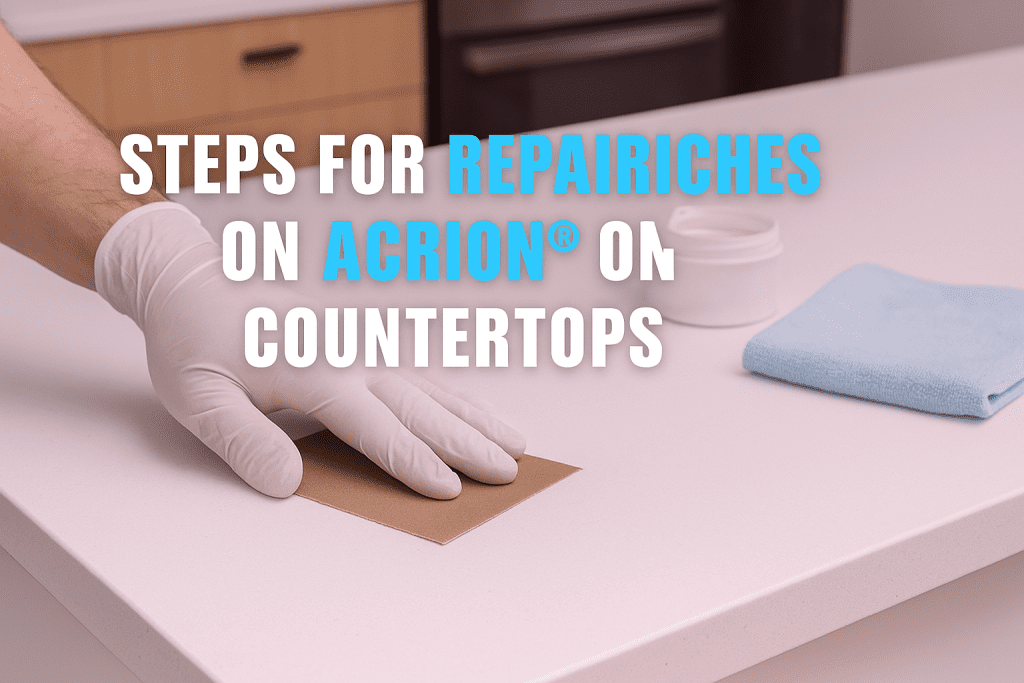
รอยขีดข่วนบนพื้นผิวส่วนใหญ่สามารถแก้ไขได้ด้วยขั้นตอนการขัดผิวใหม่ที่ได้รับการควบคุมโดยช่างประกอบหรือผู้เชี่ยวชาญด้านการบำรุงรักษาที่มีประสบการณ์
- การขัดแบบก้าวหน้า
- การตกแต่งพื้นผิววงโคจร
- การผสมพื้นผิวเฉพาะที่
- การแก้ไขพื้นผิว
- การฟื้นฟูผิวด้านและซาติน
- การขัดขั้นสุดท้ายและการปรับรูปลักษณ์ให้สมดุล
การตกแต่งใหม่อย่างมืออาชีพช่วยคืนความสม่ำเสมอของพื้นผิวในขณะที่ยังคงรักษาลักษณะการติดตั้งที่ไร้รอยต่อดั้งเดิม
ข้อควรพิจารณาการตกแต่งพื้นผิวระหว่างการซ่อมแซมรอยขีดข่วน
การตกแต่งพื้นผิวที่แตกต่างกันต้องใช้วิธีการตกแต่งใหม่และความคาดหวังในการบำรุงรักษาที่แตกต่างกัน
- ผิวด้าน: ง่ายที่สุดในการบำรุงรักษาและตกแต่งใหม่
- ผิวซาติน: รูปลักษณ์ที่สมดุลและประสิทธิภาพการบำรุงรักษา
- เคลือบเงา: สะท้อนแสงได้มากขึ้นแต่ไวต่อรอยขีดข่วนที่มองเห็นได้และการขัดที่ไม่สอดคล้องกัน
สำหรับการใช้งานสถาปัตยกรรมเชิงพาณิชย์ที่มีการใช้งานหนัก พื้นผิวด้านและซาตินมักนิยมใช้ เนื่องจากให้ความยืดหยุ่นในการบำรุงรักษาในระยะยาวที่ดีกว่า และการฟื้นฟูพื้นผิวได้ง่ายขึ้น
เมื่อจำเป็นต้องซ่อมแซมเฉพาะที่
รอยขีดข่วนลึกหรือความเสียหายจากแรงกระแทกที่ส่งผลต่อตะเข็บ ขอบ หรือบริเวณที่ขึ้นรูปด้วยความร้อนอาจต้องมีขั้นตอนการซ่อมแซมการผลิตเฉพาะที่ แทนที่จะตกแต่งพื้นผิวแบบมาตรฐาน
ในสถานการณ์เหล่านี้ ผู้ผลิตมืออาชีพอาจทำการซ่อมแซมเฉพาะที่โดยใช้วัสดุพื้นผิวแข็งอะคริลิกที่เข้ากันและระบบกาวที่เข้ากันกับสีเพื่อรักษาความต่อเนื่องของการมองเห็น
ความสามารถในการซ่อมแซมเฉพาะที่ช่วยลดความถี่ในการเปลี่ยนและต้นทุนการดำเนินงานในระยะยาวในโครงการเชิงพาณิชย์ได้อย่างมาก
การบำรุงรักษาเชิงป้องกันเพื่อประสิทธิภาพพื้นผิวในระยะยาว
แม้ว่าพื้นผิวอะคริลิกที่เป็นของแข็งสามารถนำกลับมาใช้ใหม่และซ่อมแซมได้ แต่แนวทางปฏิบัติในการบำรุงรักษาเชิงป้องกันยังคงมีความสำคัญสำหรับการรักษารูปลักษณ์ในระยะยาวและลดการสึกหรอของพื้นผิวที่มากเกินไป
- ใช้เขียงระหว่างการเตรียมอาหาร
- หลีกเลี่ยงการลากวัตถุที่มีฤทธิ์กัดกร่อนบนพื้นผิว
- ใช้ผลิตภัณฑ์ทำความสะอาดที่ไม่มีฤทธิ์กัดกร่อน
- รักษาขั้นตอนการทำความสะอาดพื้นผิวอย่างสม่ำเสมอ
- ป้องกันการกระแทกหนักจากของมีคม
- ดำเนินการตรวจสอบการบำรุงรักษาเป็นระยะในสภาพแวดล้อมที่มีการจราจรหนาแน่น
การวางแผนการบำรุงรักษาที่เหมาะสมช่วยยืดอายุการใช้งานของการติดตั้งพื้นผิวอะคริลิกแข็งในขณะที่ยังคงความสม่ำเสมอในการมองเห็น
ข้อดีของวงจรการใช้งานสำหรับโครงการสถาปัตยกรรมเชิงพาณิชย์
ในการตกแต่งภายในด้วยสถาปัตยกรรมสมัยใหม่ ประสิทธิภาพการบำรุงรักษาตลอดอายุการใช้งานมีความสำคัญมากขึ้นสำหรับสถาปนิก นักพัฒนา และผู้ปฏิบัติงานด้านสิ่งอำนวยความสะดวก
ลักษณะพื้นผิวที่หมุนเวียนได้ของพื้นผิวอะคริลิกแข็งช่วยลดความถี่ในการเปลี่ยนในขณะที่ช่วยให้สามารถฟื้นฟูรูปลักษณ์ในระยะยาวผ่านขั้นตอนการตกแต่งใหม่
แตกต่างจากวัสดุตกแต่งอื่นๆ ที่ต้องเปลี่ยนใหม่ทั้งหมดหลังจากเกิดความเสียหายที่มองเห็นได้ พื้นผิวแข็งอะคริลิกมักจะช่วยให้สามารถฟื้นฟูเฉพาะจุดได้ ในขณะเดียวกันก็รักษาความต่อเนื่องของการออกแบบแบบเดิมที่ไร้รอยต่อ
พื้นผิวแข็งทางสถาปัตยกรรมที่ออกแบบมาเพื่อประสิทธิภาพที่หมุนเวียนได้
ตั้งแต่สิ่งอำนวยความสะดวกด้านการดูแลสุขภาพและการตกแต่งภายในโรงแรมไปจนถึงสภาพแวดล้อมการค้าปลีกและระบบการต้อนรับเชิงพาณิชย์ พื้นผิวแข็งอะคริลิกยังคงมอบโซลูชันพื้นผิวที่ทนทาน หมุนเวียนได้ และบำรุงรักษาได้สำหรับการใช้งานทางสถาปัตยกรรมในระยะยาว
ที่ ACRION เรามุ่งเน้นการพัฒนาวัสดุพื้นผิวแข็งทางสถาปัตยกรรมที่ได้รับการออกแบบมาเพื่อการผลิตที่ไร้รอยต่อ ประสิทธิภาพพื้นผิวที่หมุนเวียนได้ และการใช้งานภายในเชิงพาณิชย์ในระยะยาวทั่วโลก