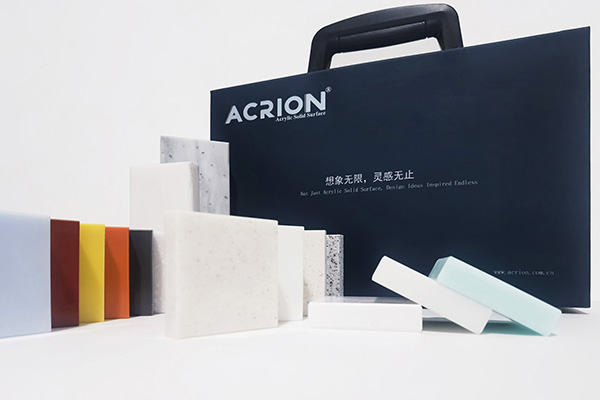

Backsplashes และ upstands เป็นองค์ประกอบรายละเอียดที่สำคัญในการผลิตพื้นผิวอะคริลิกที่เป็นของแข็ง นอกเหนือจากการป้องกันน้ำกระเซ็นแล้ว ยังช่วยเพิ่มประสิทธิภาพด้านสุขอนามัย รูปลักษณ์ที่ไร้รอยต่อ และความทนทานในการใช้งานในระยะยาวในการตกแต่งภายในเชิงพาณิชย์และสถาปัตยกรรม
เนื่องจากพื้นผิวอะคริลิกแข็งรองรับการยึดเกาะที่ไร้รอยต่อ การเปลี่ยนผ่านแบบเว้า และพื้นผิวที่ซ่อมแซมได้ จึงเหมาะอย่างยิ่งสำหรับการรวมรายละเอียดการกระเซ็นแบบบูรณาการ ซึ่งความสะอาดและความต่อเนื่องของการมองเห็นมีความสำคัญ
ความแตกต่างระหว่าง Backsplash และ Upstand คืออะไร?
แม้ว่าบางครั้งคำเหล่านี้จะใช้แทนกันได้ แต่ก็อธิบายวิธีการลงรายละเอียดที่แตกต่างกัน
- ยืนหยัด: ผลตอบแทนในแนวตั้งต่ำ โดยทั่วไปจะใช้ที่ขอบด้านหลังของท็อปครัวหรือเคาน์เตอร์
- แบ็กสแปลช: พื้นผิวป้องกันแนวตั้งที่สูงขึ้นซึ่งขยายขึ้นไปตามผนัง
การเลือกขึ้นอยู่กับข้อกำหนดด้านสุขอนามัย ความตั้งใจในการออกแบบภาพ และการประยุกต์ใช้โครงการ
เหตุใดพื้นผิวแข็งอะคริลิกจึงเหมาะอย่างยิ่งสำหรับการทำรายละเอียดแบบสาด
- บูรณาการภาพได้อย่างราบรื่น
- ประสิทธิภาพพื้นผิวที่ถูกสุขลักษณะไม่มีรูพรุน
- มูลค่าวงจรชีวิตที่ซ่อมแซมได้
- ความสามารถในการเปลี่ยนแปลงที่ครอบคลุม
- ความยืดหยุ่นในการผลิตแบบกำหนดเอง
- ความทนทานเชิงพาณิชย์
คุณลักษณะเหล่านี้ทำให้พื้นผิวอะคริลิกแข็งมีประสิทธิภาพโดยเฉพาะอย่างยิ่งสำหรับสภาพแวดล้อมที่สุขอนามัยและรายละเอียดที่สะอาดเป็นสิ่งสำคัญ :contentReference[oaicite:2]{index=2}
1. Square Splash กับ Coved Splash Detailing
มีการใช้วิธีการประดิษฐ์ทั่วไปสองวิธี
- รายละเอียดสาดสี่เหลี่ยม: แผงแนวตั้งบรรจบกับพื้นผิวแนวนอนพร้อมตะเข็บที่กำหนด
- รายละเอียดสแปลชแบบครอบคลุม: การเปลี่ยนผ่านแบบโค้งช่วยลดมุมภายในที่คมชัด
รายละเอียดแบบครอบคลุมมักนิยมใช้ในสภาพแวดล้อมที่ถูกสุขลักษณะระดับพรีเมี่ยม เนื่องจากทำให้การทำความสะอาดง่ายขึ้นและลดโซนการสะสมของสิ่งสกปรก :contentReference[oaicite:3]{index=3}
2. ข้อควรพิจารณาเกี่ยวกับรายละเอียดตะเข็บ
- การควบคุมตะเข็บที่มองเห็นได้
- ความแม่นยำในการจัดตำแหน่ง
- กลยุทธ์การใช้กาวที่เข้ากันกับสี
- การจัดการความทนทานต่อส่วนต่อประสานกับผนัง
- ที่พักการเคลื่อนไหวระยะยาว
รายละเอียดตะเข็บที่ไม่ดีจะทำให้รูปลักษณ์และประสิทธิภาพลดลงทันที
3. การใช้งานด้านสุขอนามัยเชิงพาณิชย์
- สถานีล้างเพื่อสุขภาพ
- ระบบโต๊ะเครื่องแป้งของโรงพยาบาล
- พื้นที่เตรียมอาหาร
- เคาน์เตอร์ห้องน้ำของโรงแรม
- ท็อปครัวในห้องปฏิบัติการ
- การติดตั้งตู้กับข้าวเชิงพาณิชย์
4. ข้อควรพิจารณาในการออกแบบและการติดตั้ง
- ความสูงสแปลชที่ต้องการ
- การจัดการความผิดปกติของผนัง
- การประสานงานซ็อกเก็ต / ฟิกซ์เจอร์
- การเปลี่ยนมุมภายใน
- ทางแยกขอบหน้าต่าง
- สภาพการสัมผัสน้ำ
5. ข้อผิดพลาดทั่วไปในการผลิต
- การตกแต่งที่สับสนกับรายละเอียดที่ถูกสุขลักษณะ
- การจัดแนวตะเข็บไม่ดี
- ละเว้นความทนทานต่อการเคลื่อนไหวของผนัง
- การประหารชีวิตที่อ่อนแอ
- บูรณาการเสร็จสิ้นไม่สอดคล้องกัน
- การเลือกกาวที่ไม่เหมาะสม
รายการตรวจสอบรายละเอียดด่วน
| พื้นที่ | โฟกัสหลัก |
|---|---|
| แอปพลิเคชัน | สุขอนามัยเทียบกับการป้องกันน้ำกระเซ็น |
| ประเภทรายละเอียด | ทรงสี่เหลี่ยมหรือแบบคลุม |
| ตะเข็บ | ความต่อเนื่องของการมองเห็น |
| อินเตอร์เฟซผนัง | การจัดการความอดทน |
| เสร็จ | รูปลักษณ์ที่บูรณาการ |
คำถามที่พบบ่อย
อะไรคือความแตกต่างระหว่าง backsplash แบบพื้นผิวแข็งและแบบตั้งตรง?
โดยทั่วไปแล้ว ขาตั้งด้านบนจะให้ผลตอบแทนในแนวตั้งที่ต่ำกว่า ในขณะที่ backsplash จะขยายให้สูงขึ้นเพื่อการปกป้องและบูรณาการการออกแบบที่ดียิ่งขึ้น
เหตุใด backsplashes แบบครอบคลุมจึงเป็นที่นิยมในการใช้งานด้านการดูแลสุขภาพ
เนื่องจากการเปลี่ยนผ่านแบบโค้งจะช่วยลดมุมภายในที่สะสมสิ่งสกปรกและมีคมและปรับปรุงความสามารถในการทำความสะอาด :contentReference[oaicite:4]{index=4}
backsplashes พื้นผิวแข็งอะคริลิกสามารถไร้รอยต่อได้หรือไม่?
ใช่. การรวมภาพที่ไร้รอยต่อเป็นหนึ่งในข้อได้เปรียบในการผลิตที่สำคัญของพื้นผิวอะคริลิกที่เป็นของแข็ง :contentReference[oaicite:5]{index=5}
ความคิดสุดท้าย
การทำ backsplash และรายละเอียดตั้งตรงแบบมืออาชีพไม่ได้เป็นเพียงการตกแต่งขั้นสุดท้ายเท่านั้น แต่ยังเป็นส่วนสำคัญของการผลิตพื้นผิวแข็งที่ถูกสุขลักษณะ ทนทาน และผสานรวมทางสถาปัตยกรรม
ACRION พัฒนาวัสดุพื้นผิวแข็งอะคริลิกทางสถาปัตยกรรมที่ออกแบบมาเพื่อการผลิตที่ไร้รอยต่อ รายละเอียดที่ถูกสุขลักษณะ และการใช้งานเชิงพาณิชย์ที่มีความต้องการสูง