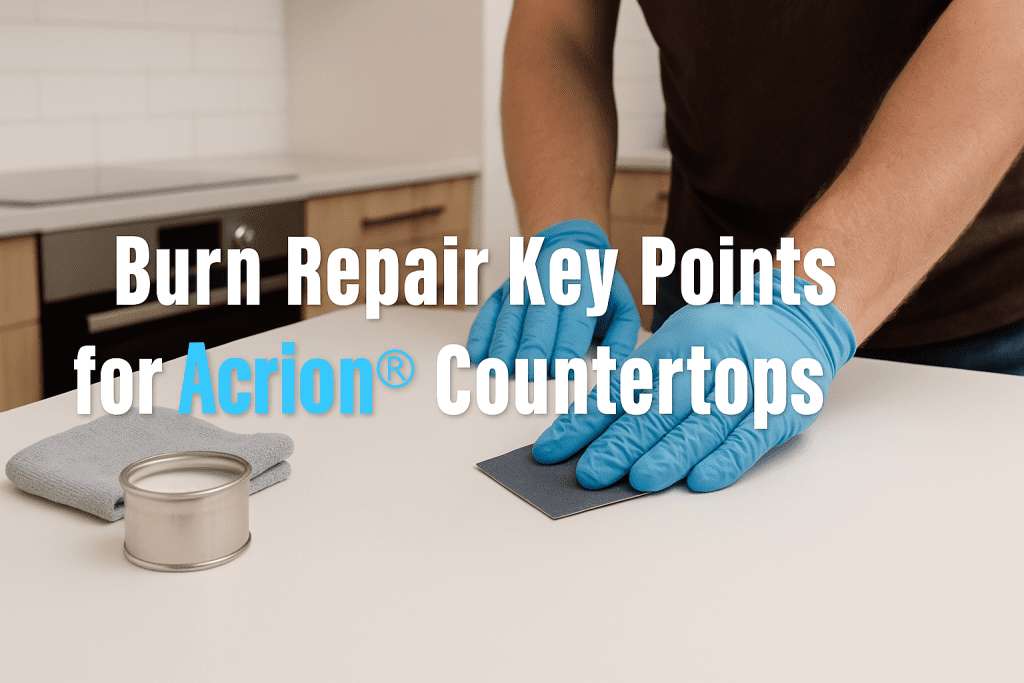
Bề mặt rắn acrylic được công nhận rộng rãi nhờ khả năng sửa chữa lâu dài và hiệu suất bề mặt có thể tái tạo. Không giống như nhiều vật liệu trang trí thông thường, bề mặt rắn acrylic thường có thể được phục hồi ngay cả sau khi xảy ra vết trầy xước, vết bẩn hoặc hư hỏng cục bộ do nhiệt.
Trong nội thất thương mại, môi trường khách sạn, cơ sở chăm sóc sức khỏe và các dự án nhà ở, vết bỏng vô tình đôi khi có thể xuất hiện do tiếp xúc trực tiếp với dụng cụ nấu ăn nóng, thiết bị sinh nhiệt, thuốc lá hoặc tiếp xúc với nhiệt quá mức. Hiểu các phương pháp sửa chữa chính xác là điều cần thiết để duy trì hình thức và hiệu suất của việc lắp đặt bề mặt rắn acrylic.
Tại sao bề mặt rắn acrylic có thể sửa chữa được
Một trong những ưu điểm chính của bề mặt rắn acrylic là cấu trúc vật liệu đồng nhất. Không giống như các bề mặt nhiều lớp hoặc tráng phủ, bề mặt rắn acrylic là vật liệu toàn thân không có lớp bề mặt trang trí có thể bong tróc hoặc tách lớp.
Do cấu trúc bề mặt có thể tái tạo này, nhiều loại hư hỏng bề mặt có thể được sửa chữa thông qua các quy trình chà nhám, hoàn thiện lại hoặc chế tạo cục bộ thay vì yêu cầu thay thế hoàn toàn.
Đặc tính có thể sửa chữa này là một trong những lý do chính tại sao bề mặt rắn acrylic được chỉ định rộng rãi cho các ứng dụng thương mại và kiến trúc đòi hỏi hiệu suất bảo trì lâu dài.
Nguyên nhân phổ biến gây ra vết cháy trên bề mặt rắn acrylic
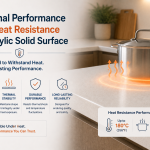
Mặc dù bề mặt rắn acrylic mang lại độ bền tuyệt vời cho các ứng dụng nội thất, nhưng việc tiếp xúc lâu với nhiệt độ quá cao vẫn có thể gây hư hỏng bề mặt cục bộ.
- Đặt trực tiếp dụng cụ nấu nóng
- Thiết bị nhà bếp sinh nhiệt
- Bỏng thuốc lá
- Nồng độ nhiệt cục bộ
- Tiếp xúc với ngọn lửa mở
- Sử dụng thiết bị gia nhiệt không đúng cách trong quá trình sản xuất
Hầu hết các vết bỏng bề mặt nhỏ chỉ ảnh hưởng đến lớp bề mặt phía trên và thường có thể được sửa chữa bằng các phương pháp sơn lại chuyên nghiệp.
Mức độ thiệt hại do nhiệt khác nhau
Phương pháp sửa chữa phụ thuộc vào mức độ nghiêm trọng của hư hỏng nhiệt.
- Sự đổi màu nhẹ: thay đổi màu sắc bề mặt nhỏ mà không bị biến dạng
- Vết bỏng nông: hư hỏng bề mặt cục bộ với sự thay đổi kết cấu nhẹ
- Thiệt hại nhiệt sâu: biến dạng có thể nhìn thấy hoặc vật liệu cháy thành than
- Thiệt hại về kết cấu: tiếp xúc với nhiệt độ nghiêm trọng ảnh hưởng đến các đường nối hoặc mối nối chế tạo
Nên đánh giá chuyên môn đối với các vết bỏng sâu hoặc hư hỏng cấu trúc ảnh hưởng đến các đường nối và các khu vực được tạo hình bằng nhiệt.
Quy trình hoàn thiện bề mặt chuyên nghiệp
Hầu hết các vết cháy nhẹ hoặc trung bình đều có thể được sửa chữa thông qua quá trình chà nhám và hoàn thiện bề mặt có kiểm soát.
- Làm sạch kỹ khu vực bề mặt bị ảnh hưởng
- Sử dụng kỹ thuật chà nhám tiến bộ
- Duy trì hướng và áp suất chà nhám nhất quán
- Khôi phục mức độ hoàn thiện bề mặt ban đầu
- Thực hiện pha trộn và đánh bóng bề mặt cuối cùng
Các nhà chế tạo chuyên nghiệp thường sử dụng hệ thống chà nhám quỹ đạo và trình tự mài mòn nhiều giai đoạn để khôi phục lại bề mặt đồng nhất.
Đối với các lớp hoàn thiện mờ và satin, việc hoàn thiện lại cục bộ thường dễ dàng hơn và ít gây chú ý hơn so với các bề mặt có độ bóng cao.
Khi có thể cần sửa chữa phần bản địa hóa
Nếu vết bỏng ăn sâu vào vật liệu hoặc gây biến dạng nhiệt nghiêm trọng thì việc chà nhám bề mặt đơn giản có thể là không đủ.
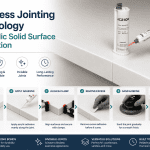
Trong những trường hợp như vậy, các nhà chế tạo chuyên nghiệp có thể thực hiện các quy trình thay thế phần cục bộ hoặc sửa chữa liền mạch bằng cách sử dụng hệ thống kết dính và vật liệu bề mặt rắn acrylic phù hợp.
Kiểu sửa chữa dựa trên chế tạo này là một ưu điểm quan trọng khác của bề mặt rắn acrylic so với nhiều vật liệu trang trí không thể sửa chữa.
Những cân nhắc về hoàn thiện bề mặt trong quá trình sửa chữa
Các bề mặt hoàn thiện khác nhau đòi hỏi các phương pháp hoàn thiện khác nhau trong quá trình sửa chữa vết bỏng.
- Kết thúc mờ: dễ dàng nhất để khôi phục và pha trộn
- Kết thúc satin: khả năng sửa chữa cân bằng và sự xuất hiện
- Độ bóng hoàn thiện: đòi hỏi các kỹ thuật đánh bóng tiên tiến hơn để giảm thiểu sự không nhất quán về mặt hình ảnh
Đối với các dự án thương mại có tần suất sử dụng nhiều hàng ngày, lớp hoàn thiện mờ hoặc satin thường được ưu tiên vì chúng mang lại hiệu quả bảo trì lâu dài tốt hơn và phục hồi bề mặt dễ dàng hơn.
Ngăn chặn thiệt hại do nhiệt trong tương lai
Mặc dù bề mặt rắn acrylic có thể sửa chữa được nhưng vẫn nên sử dụng đúng cách để giảm thiểu nguy cơ hư hỏng do nhiệt.
- Sử dụng miếng đệm nhiệt hoặc trivet dưới dụng cụ nấu ăn nóng
- Tránh tiếp xúc trực tiếp với ngọn lửa
- Không đặt các thiết bị có nhiệt độ cao trực tiếp lên bề mặt
- Sử dụng thớt khi chế biến thực phẩm
- Thực hiện theo hướng dẫn nhiệt độ chế tạo chuyên nghiệp
Tại sao khả năng sửa chữa lại quan trọng đối với các dự án kiến trúc thương mại
Trong các dự án khách sạn, chăm sóc sức khỏe, bán lẻ và nội thất công cộng, vật liệu bề mặt cần duy trì hình thức và hiệu suất qua nhiều năm sử dụng liên tục.
Các đặc tính có thể tái tạo và sửa chữa của bề mặt rắn acrylic giúp giảm chi phí thay thế lâu dài và kéo dài vòng đời sử dụng của việc lắp đặt nội thất thương mại.
Không giống như nhiều vật liệu bề mặt trang trí cần được thay thế hoàn toàn sau khi bị hư hỏng, bề mặt rắn acrylic thường cho phép phục hồi cục bộ trong khi vẫn giữ được vẻ ngoài liền mạch ban đầu.
Bề mặt rắn kiến trúc được thiết kế cho hiệu suất lâu dài
Từ quầy tiếp tân thương mại và nội thất khách sạn đến bàn làm việc chăm sóc sức khỏe và hệ thống phòng vệ sinh công cộng, bề mặt rắn acrylic tiếp tục cung cấp cho các kiến trúc sư, nhà phát triển và nhà chế tạo một giải pháp bề mặt bền bỉ và có thể bảo trì.
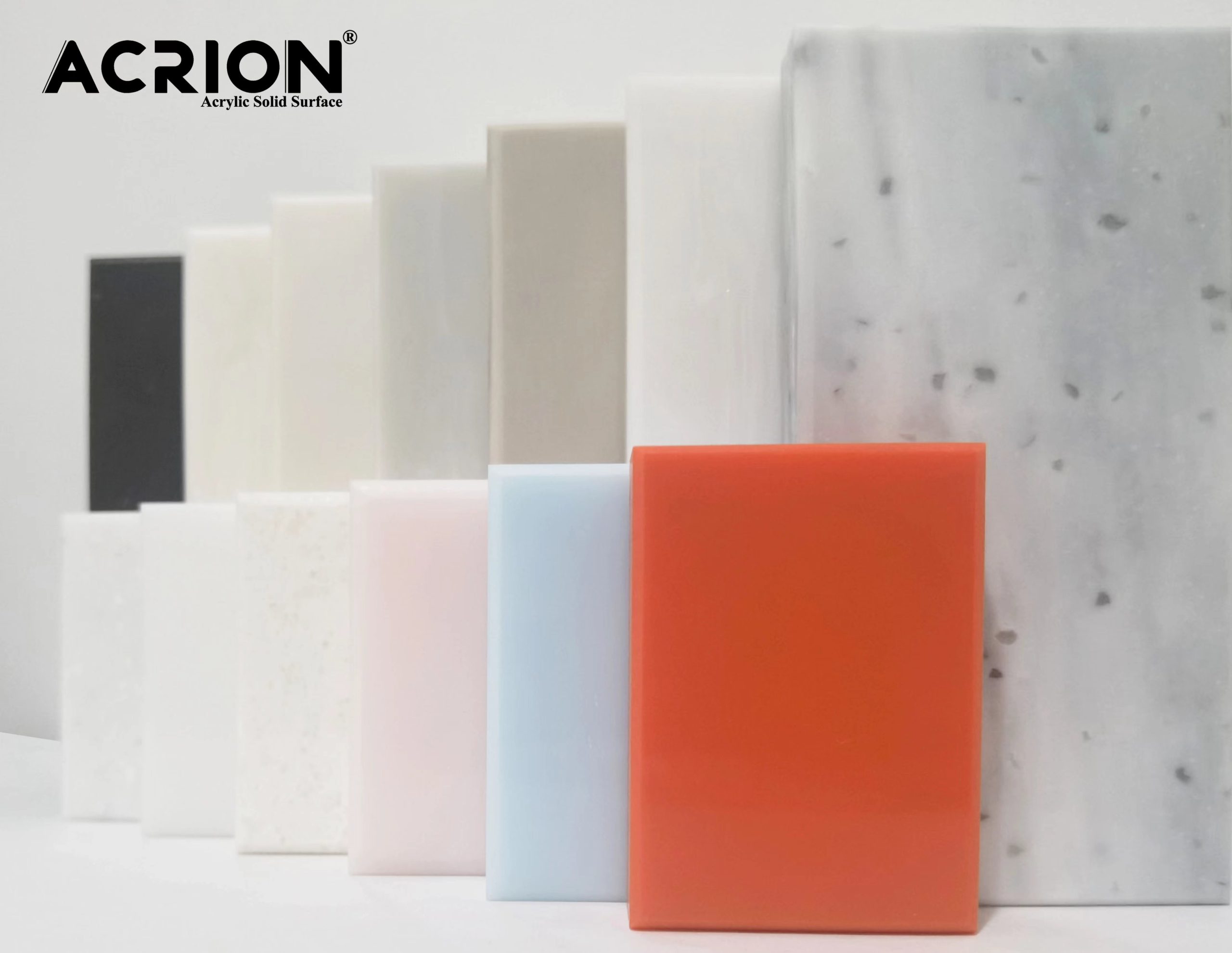
Tại ACRION, chúng tôi tập trung phát triển các vật liệu bề mặt rắn kiến trúc được thiết kế để chế tạo liền mạch, khả năng sửa chữa lâu dài và các ứng dụng nội thất thương mại trên toàn thế giới.