Chi tiết góc là một trong những khía cạnh quan trọng nhất của việc chế tạo bề mặt rắn acrylic. Thiết kế góc kém có thể tạo ra sự tập trung ứng suất, tăng nguy cơ nứt, làm suy yếu độ bền kết cấu và giảm hiệu suất lâu dài trong các ứng dụng thương mại.
Cho dù ở quầy tiếp tân, hệ thống trang điểm, bàn làm việc chăm sóc sức khỏe, đồ nội thất đặt làm riêng hay công trình kiến trúc, kỹ thuật tạo góc thích hợp là điều cần thiết để chế tạo bề mặt rắn đáng tin cậy.
Tại sao thiết kế góc lại quan trọng trong chế tạo bề mặt rắn
Bề mặt rắn acrylic mang lại khả năng chế tạo liền mạch và tính linh hoạt khi tạo hình nhiệt, nhưng giống như tất cả các vật liệu được thiết kế, chi tiết kém có thể tạo ra các điểm căng thẳng cơ học.
Vấn đề phổ biến nhất xảy ra khi các góc nhọn bên trong tạo ra các vùng ứng suất tập trung mà cuối cùng có thể dẫn đến nứt khi chịu tải, dịch chuyển, thay đổi nhiệt hoặc sử dụng lâu dài.
Rủi ro cốt lõi: Sự tập trung căng thẳng
Các góc nhọn bên trong đóng vai trò làm tăng ứng suất.
Khi áp dụng lực, độ rung, chuyển động nhiệt hoặc tải trọng kết cấu, ứng suất sẽ tích tụ tại các điểm này thay vì phân bổ đều trên toàn bộ bộ phận được chế tạo.
Đây là lý do tại sao các góc bên trong được chế tạo kém là một trong những điểm bắt đầu xuất hiện vết nứt phổ biến nhất trong các ứng dụng bề mặt rắn.
1. Thiết kế bán kính góc bên trong
Nên tránh các góc nhọn 90 độ bên trong bất cứ khi nào có thể.
Cách thực hành được đề xuất bao gồm việc giới thiệu quá trình chuyển đổi bán kính trơn tru để phân bổ ứng suất hiệu quả hơn.
- Cải thiện khả năng chống nứt
- Giảm sự tập trung căng thẳng
- Cải thiện độ bền chế tạo
- Tạo chuyển tiếp trực quan rõ ràng hơn
Nguyên tắc này đặc biệt quan trọng trong các đường cắt bồn rửa, các góc mặt bàn bên trong và các thiết kế hình học tùy chỉnh.
2. Bảo vệ góc bồn rửa
Các vết cắt chìm là vùng có nguy cơ cao vì chúng kết hợp sự gián đoạn cấu trúc, tiếp xúc với độ ẩm và ứng suất cơ học lặp đi lặp lại.
Các phương pháp hay nhất bao gồm:
- Các góc cắt bên trong được bo tròn
- Hoàn thiện CNC mượt mà
- Tránh các lỗi khởi động có vết nứt nhỏ
- Tăng cường hợp lý khi cần thiết
Chi tiết góc chìm kém thường trở thành điểm khởi đầu cho các vết nứt trong tương lai.
3. Vùng tiếp xúc với bếp và nhiệt
Các vết cắt gần các thiết bị nấu ăn đòi hỏi phải có sự chú ý kỹ thuật bổ sung.
Những lĩnh vực này có kinh nghiệm:
- Đi xe đạp nhiệt
- Ứng suất tải cơ học
- Sự giãn nở và co lại của vật liệu
Chi tiết góc sẽ làm giảm ứng suất tập trung trong khi vẫn duy trì khoảng trống an toàn và độ ổn định của cấu trúc.
4. Ứng dụng góc định hình nhiệt
Một ưu điểm của bề mặt rắn acrylic là tính linh hoạt khi định hình nhiệt.
Điều này cho phép các đường cong liên tục trơn tru cho:
- Bàn tiếp tân
- quầy cong
- Nội thất tùy chỉnh
- Chuyển tiếp tường kiến trúc
Tuy nhiên, chất lượng ép nóng phụ thuộc vào các thông số chế tạo được kiểm soát, bao gồm tính nhất quán về nhiệt, thiết kế bán kính, độ ổn định khi làm mát và khả năng tương thích của vật liệu.
Thực hành ép nóng kém có thể tạo ra căng thẳng tiềm ẩn bên trong.
5. Độ bền góc ngoài
Các góc tiếp xúc bên ngoài phải đối mặt với rủi ro va đập trong quá trình sử dụng bình thường.
Những cân nhắc được đề xuất:
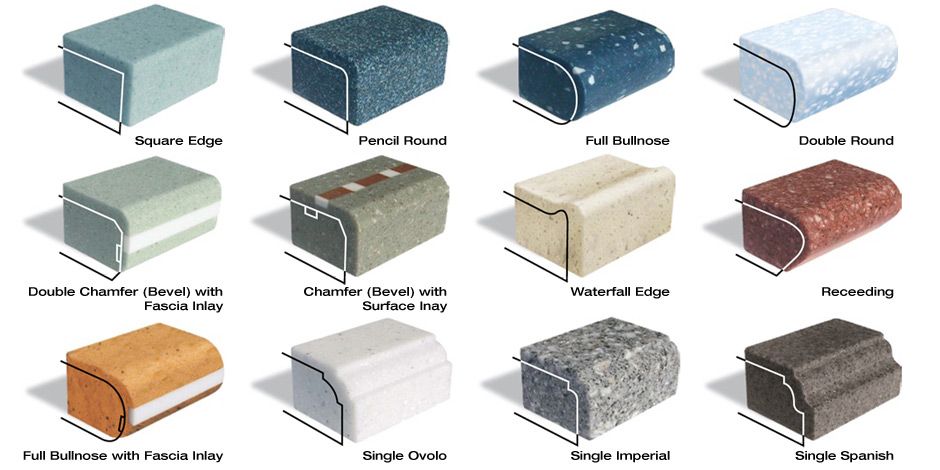
- Hồ sơ được làm tròn khi thích hợp
- Hình học cạnh được kiểm soát
- Chi tiết nhận biết tác động
- Tính nhất quán hoàn thiện thích hợp
Điều này đặc biệt có liên quan trong môi trường khách sạn, bán lẻ và công cộng.
6. Vị trí đường may gần các góc
Định vị đường may có thể ảnh hưởng đáng kể đến hiệu suất lâu dài.
Cách thực hành tốt nhất thường tránh đặt các đường nối trực tiếp ở các vùng góc chịu ứng suất cao bất cứ khi nào bố cục cho phép.
Lập kế hoạch đường may phù hợp sẽ cải thiện độ tin cậy của cấu trúc và tính nhất quán về mặt hình ảnh.
7. Chiến lược củng cố
Một số ứng dụng ở góc yêu cầu gia cố thêm tùy thuộc vào nhịp, hình dạng vết cắt và điều kiện sử dụng.
Ví dụ bao gồm:
- Vùng chìm
- Khu vực bếp nấu
- Ứng dụng bị treo
- Chuyển đổi dài không được hỗ trợ
Danh sách kiểm tra thiết kế góc nhanh
| Khu vực thiết kế | Thực hành tốt nhất |
|---|---|
| Góc trong | Sử dụng chuyển tiếp bán kính mượt mà |
| Cắt bồn rửa | Tránh các góc nhọn |
| Vùng nấu | Xem xét quản lý căng thẳng nhiệt |
| Các góc được định hình bằng nhiệt | Quá trình sản xuất được kiểm soát |
| Các cạnh bên ngoài | Cải thiện độ bền va đập |
| Đường may | Tránh vị trí có áp lực cao |
| gia cố | Thêm vào nơi cấu trúc yêu cầu |
Các ứng dụng trong đó kỹ thuật góc quan trọng nhất
- Quầy tiếp tân
- Hệ thống bàn trang điểm khách sạn
- Bàn làm việc chăm sóc sức khỏe
- Trạm rửa thương mại
- Quầy bán lẻ
- Nội thất tùy chỉnh
- Lắp đặt bề mặt rắn kiến trúc
Câu hỏi thường gặp
Tại sao vết nứt bề mặt rắn thường bắt đầu ở các góc?
Các góc nhọn tạo ra các điểm ứng suất tập trung có thể trở thành vùng bắt đầu vết nứt dưới tải trọng hoặc chuyển động nhiệt.
Công nghệ ép nóng có thể loại bỏ nguy cơ nứt góc không?
Định hình nhiệt có thể cải thiện tính liên tục của góc, nhưng việc kiểm soát quy trình kém vẫn có thể tạo ra các vấn đề căng thẳng bên trong.
Các góc tròn có luôn tốt hơn không?
Trong hầu hết các ứng dụng bên trong có ứng suất cao, các chuyển tiếp tròn cải thiện sự phân bố ứng suất và độ bền.
suy nghĩ cuối cùng
Việc chế tạo bề mặt rắn acrylic thành công không chỉ phụ thuộc vào chất lượng vật liệu mà còn phụ thuộc vào các chi tiết kỹ thuật có kỷ luật như thiết kế góc, lập kế hoạch đường may và quản lý ứng suất.
ACRION phát triển các vật liệu bề mặt rắn kiến trúc được thiết kế để đảm bảo độ tin cậy trong chế tạo, các ứng dụng liền mạch và các dự án thương mại đòi hỏi khắt khe.