Bề mặt rắn acrylic được sử dụng rộng rãi trong các cơ sở chăm sóc sức khỏe, nội thất khách sạn, môi trường bán lẻ, dự án thương mại và ứng dụng dân cư vì vẻ ngoài liền mạch, hiệu suất vệ sinh và đặc tính bề mặt có thể tái tạo.
Trong nội thất kiến trúc hiện đại, việc lập kế hoạch bảo trì phòng ngừa đóng một vai trò quan trọng trong việc duy trì vẻ ngoài lâu dài, hiệu quả vận hành và hiệu suất vòng đời. Thực hành bảo trì thích hợp giúp giảm mài mòn bề mặt quá mức, giảm thiểu tần suất sửa chữa và kéo dài tuổi thọ sử dụng của việc lắp đặt bề mặt rắn acrylic.
Không giống như nhiều vật liệu trang trí cần thay thế hoàn toàn sau khi xảy ra hao mòn rõ ràng hoặc hư hỏng cục bộ, bề mặt rắn acrylic thường cho phép các quy trình hoàn thiện lại và phục hồi cục bộ hỗ trợ sử dụng thương mại lâu dài.
Tại sao bảo trì phòng ngừa lại quan trọng
Trong môi trường nội thất thương mại và công cộng, các bề mặt phải tiếp xúc với lưu lượng giao thông liên tục hàng ngày, quá trình sử dụng, quy trình làm sạch, rủi ro va chạm và áp lực môi trường.
Bảo trì phòng ngừa giúp kiến trúc sư, nhà phát triển và người vận hành cơ sở giảm thiểu:
- Chi phí hoạt động dài hạn
- Tích lũy mài mòn bề mặt
- Tần suất sửa chữa
- Yêu cầu thay thế
- Thời gian ngừng hoạt động
- Sự không nhất quán về mặt hình ảnh
Bởi vì bề mặt rắn acrylic có cấu trúc có thể tái tạo và sửa chữa được nên việc lập kế hoạch bảo trì phòng ngừa có thể kéo dài đáng kể hiệu suất vòng đời của vật liệu.
Thực hành chăm sóc bề mặt phòng ngừa hàng ngày
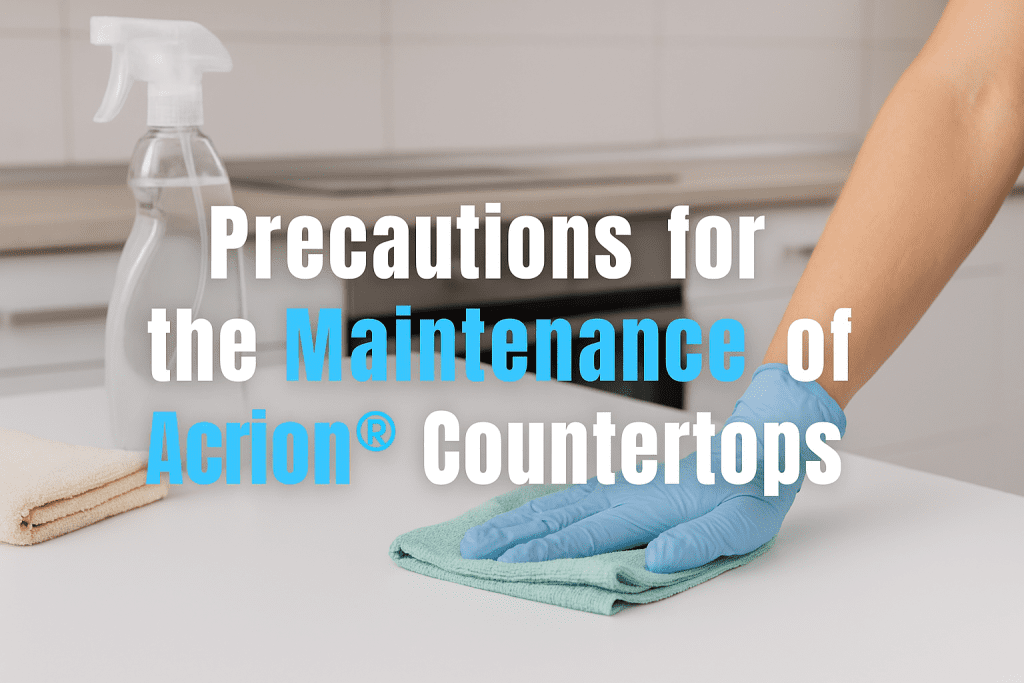
Quy trình chăm sóc định kỳ hàng ngày giúp duy trì độ sạch sẽ của bề mặt và giảm sự tích tụ mài mòn không cần thiết theo thời gian.
- Sử dụng vải sợi nhỏ hoặc miếng bọt biển mềm để vệ sinh thường xuyên
- Áp dụng các sản phẩm làm sạch có độ pH trung tính nhẹ khi cần thiết
- Làm sạch vết tràn kịp thời để giảm sự tích tụ cặn
- Sử dụng chất tẩy rửa không gây mài mòn
- Duy trì các quy trình vệ sinh thường xuyên trong môi trường thương mại
Đối với hầu hết các ứng dụng kiến trúc, quy trình làm sạch đơn giản và nhất quán là đủ để duy trì vẻ ngoài chuyên nghiệp.
Bảo vệ nhiệt và ngăn ngừa thiệt hại do nhiệt
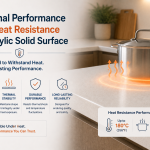
Mặc dù bề mặt rắn acrylic hoạt động tốt trong nhiều môi trường nội thất, vẫn nên tránh tiếp xúc với nhiệt trực tiếp quá mức để giảm thiểu ứng suất nhiệt và hư hỏng bề mặt cục bộ.
- Sử dụng miếng đệm nhiệt dưới dụng cụ nấu nướng và các thiết bị nóng
- Tránh tiếp xúc trực tiếp với ngọn lửa
- Ngăn ngừa tiếp xúc kéo dài với các vật có nhiệt độ cao
- Thực hiện theo các hướng dẫn về nhiệt độ chế tạo được khuyến nghị
Quản lý nhiệt phòng ngừa giúp giảm khả năng bị cháy, đổi màu và biến dạng bề mặt cục bộ.
Ngăn ngừa tác động và mài mòn bề mặt
Trong môi trường thương mại có lưu lượng giao thông cao, việc bảo vệ phòng ngừa chống va đập và mài mòn là điều cần thiết để duy trì tính nhất quán về hình ảnh lâu dài.
- Sử dụng thớt khi chế biến thực phẩm
- Tránh kéo các vật mài mòn trên bề mặt
- Ngăn chặn tác động từ các vật sắc nhọn hoặc nặng
- Thực hiện kiểm tra định kỳ các khu vực tiếp xúc nhiều
- Bảo vệ các cạnh tiếp xúc trong các ứng dụng thương mại
Những biện pháp phòng ngừa này giúp giảm trầy xước bề mặt quá mức, mài mòn cạnh và tích tụ hư hỏng cục bộ.
Lập kế hoạch bảo trì thương mại cho các ứng dụng khác nhau
Các môi trường kiến trúc khác nhau có thể yêu cầu mức độ ưu tiên bảo trì phòng ngừa khác nhau tùy thuộc vào điều kiện hoạt động và cường độ sử dụng.
- Cơ sở y tế: quản lý vệ sinh và khả năng tương thích chất khử trùng
- Nội thất khách sạn: sự nhất quán về ngoại hình và sự bảo trì đối mặt với khách
- Môi trường bán lẻ: chống trầy xước và quản lý mài mòn cạnh
- Khu vực phục vụ nhà hàng: kiểm soát vết bẩn và bảo vệ nhiệt
- Nhà vệ sinh công cộng: quản lý độ ẩm và hiệu quả làm sạch
Lập kế hoạch bảo trì vòng đời phòng ngừa giúp người vận hành cơ sở duy trì hình thức bề mặt chuyên nghiệp đồng thời giảm chi phí bảo trì dài hạn.
Hoàn thiện và làm mới bề mặt định kỳ
Một trong những ưu điểm chính của bề mặt rắn acrylic là khả năng tái tạo bề mặt. Các vết trầy xước nhỏ, độ mờ bề mặt và mài mòn cục bộ thường có thể được phục hồi thông qua các quy trình sơn lại chuyên nghiệp.
Các nhà chế tạo chuyên nghiệp có thể thực hiện:
- Chà nhám tiến bộ
- Thủ tục hoàn thiện quỹ đạo
- Hiệu chỉnh kết cấu bề mặt
- Pha trộn và đánh bóng cục bộ
- Phục hồi hoàn thiện mờ và satin
Khả năng hoàn thiện này giúp kéo dài đáng kể tuổi thọ của việc lắp đặt bề mặt rắn acrylic so với nhiều vật liệu trang trí không thể sửa chữa.
Ưu điểm sửa chữa cục bộ
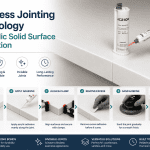
Trong nhiều trường hợp, hư hỏng cục bộ có thể được sửa chữa mà không cần thay thế toàn bộ hệ thống lắp đặt. Các nhà chế tạo chuyên nghiệp có thể thực hiện các quy trình sửa chữa cục bộ liền mạch bằng cách sử dụng vật liệu bề mặt rắn acrylic phù hợp và hệ thống kết dính phù hợp với màu sắc.
Khả năng sửa chữa cục bộ này giúp giảm tần suất thay thế đồng thời giảm thiểu sự gián đoạn hoạt động trong môi trường thương mại.
Cân nhắc bảo trì hoàn thiện bề mặt
Các lớp hoàn thiện bề mặt khác nhau đương nhiên đòi hỏi các kỳ vọng bảo trì và phương pháp phục hồi khác nhau.
- Kết thúc mờ: dễ bảo trì và hoàn thiện nhất
- Kết thúc satin: ngoại hình cân bằng và bảo trì linh hoạt
- Độ bóng hoàn thiện: phản chiếu trực quan nhưng nhạy cảm hơn với các vết trầy xước có thể nhìn thấy và sự không nhất quán khi đánh bóng
Đối với các ứng dụng kiến trúc thương mại có hoạt động liên tục, lớp hoàn thiện mờ và satin thường được ưu tiên vì chúng mang lại tính nhất quán hình ảnh lâu dài tốt hơn và bảo trì vòng đời dễ dàng hơn.
Tại sao bề mặt rắn acrylic hỗ trợ hiệu suất thương mại lâu dài
Trong các dự án kiến trúc hiện đại, hiệu suất dài hạn của vòng đời ngày càng trở nên quan trọng đối với các kiến trúc sư, nhà phát triển, nhà điều hành khách sạn và nhà quản lý cơ sở.
Các đặc tính có thể tái tạo và sửa chữa của bề mặt rắn acrylic giúp giảm tần suất thay thế đồng thời hỗ trợ hiệu quả vận hành lâu dài và tính linh hoạt trong bảo trì.
Không giống như nhiều vật liệu trang trí yêu cầu thay thế hoàn toàn sau khi xảy ra hư hỏng rõ ràng, bề mặt rắn acrylic thường cho phép hoàn thiện lại và phục hồi cục bộ trong khi vẫn duy trì tính liên tục của thiết kế liền mạch.
Bề mặt rắn kiến trúc được thiết kế cho hiệu suất vòng đời tái tạo
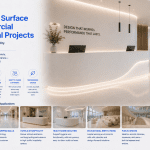
Từ các cơ sở chăm sóc sức khỏe và nội thất khách sạn đến môi trường bán lẻ và hệ thống tiếp tân thương mại, bề mặt rắn acrylic tiếp tục cung cấp cho các kiến trúc sư và nhà phát triển giải pháp bề mặt bền bỉ, hợp vệ sinh, có thể tái tạo và bảo trì.
Tại ACRION, chúng tôi tập trung phát triển các vật liệu bề mặt rắn kiến trúc được thiết kế để chế tạo liền mạch, hiệu suất bề mặt có thể tái tạo và các ứng dụng nội thất thương mại lâu dài trên toàn thế giới.