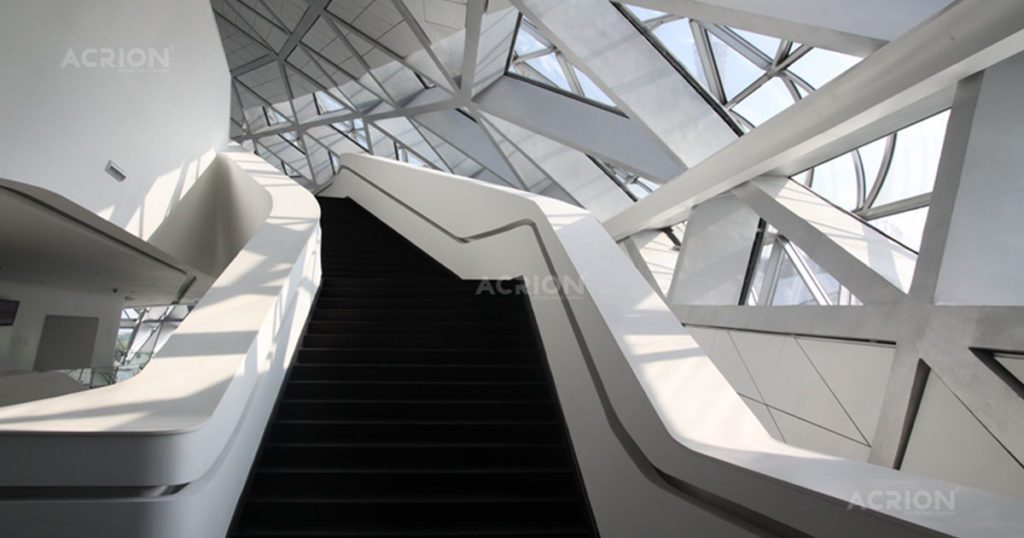
Acrylic solid surface is widely used in healthcare interiors, hospitality environments, retail fit-outs, commercial washroom systems, and custom architectural fabrication. One practical question often asked by architects and project buyers is: How long does acrylic solid surface last?
The answer depends on application conditions, maintenance, fabrication quality, and material formulation. However, one of the strongest advantages of acrylic solid surface is its long-term renewable lifecycle performance.
Unlike many decorative surfacing materials that permanently deteriorate once damaged, acrylic solid surface can often be professionally restored.
What Does Aging Mean for Acrylic Solid Surface?
Aging does not simply mean structural failure. In surfacing materials, aging may refer to several different long-term performance changes.
- surface wear
- gloss reduction
- scratch accumulation
- UV-related color change
- thermal stress effects
- chemical exposure impact
- joint aging over time
Evaluating aging resistance means understanding how the material performs throughout its practical service life.
How Long Does Acrylic Solid Surface Last?
When correctly specified, professionally fabricated, and properly maintained, acrylic solid surface can provide many years of reliable service in commercial and architectural environments.
Actual service life depends on:
- material quality
- pure acrylic vs modified acrylic formulation
- application type
- traffic intensity
- surface finish selection
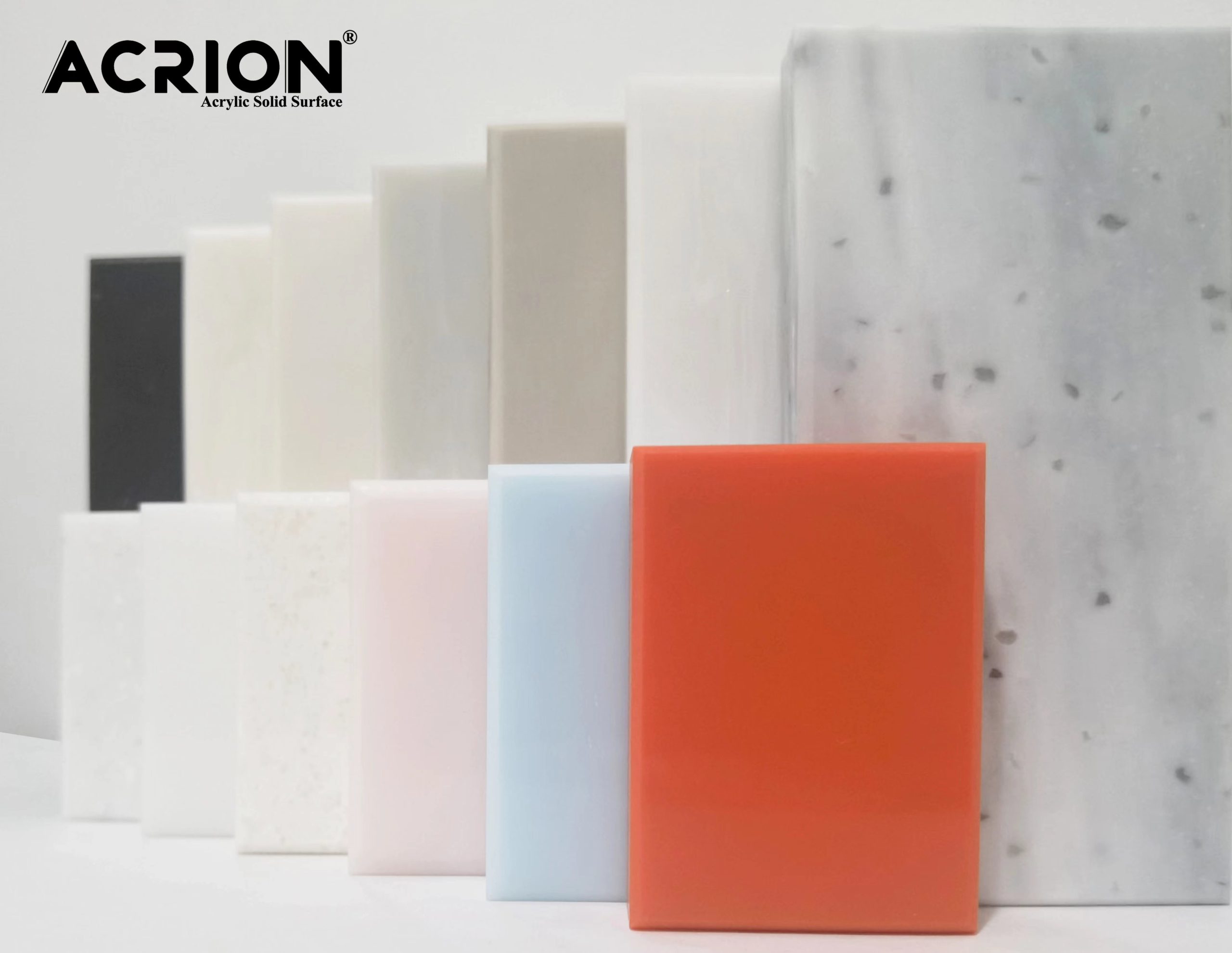
- color choice
- pratiques d'entretien
- fabrication quality
Rather than focusing on a fixed “years” claim, lifecycle performance should be evaluated based on practical renewability and maintainability.
UV and Color Aging
Like most engineered materials, acrylic solid surface can experience appearance changes under long-term UV exposure.
Potential effects may include:
- fading
- yellowing
- uneven visual aging
- surface tone shift
Performance depends on formulation quality, pigment stability, and environmental conditions.
Pure acrylic solid surface generally offers better long-term color stability compared with lower-grade modified formulations.
Wear and Surface Aging
In real-world applications, daily wear is often the most visible form of aging.
Les exemples incluent :
- micro-rayures
- loss of gloss
- touchpoint wear
- high-contact dull areas
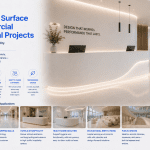
This is especially relevant in commercial environments such as reception counters, healthcare worktops, and retail surfaces.
Thermal and Chemical Aging
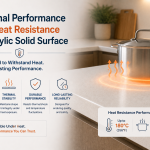
Long-term performance may also be affected by repeated thermal or chemical exposure.
Relevant conditions include:
- hot objects
- thermal cycling
- aggressive cleaning chemicals
- disinfectant exposure
- improper chemical maintenance
Correct usage and maintenance significantly improve lifecycle performance.
Performance de vieillissement de l'acrylique pur ou de l'acrylique modifié
| Facteur de performance | Acrylique pur | Acrylique modifié |
|---|---|---|
| Stabilité aux UV | Mieux | Varies |
| Stabilité des couleurs | Excellent | Modéré à bon |
| Renouvelabilité | Excellent | Bien |
| Joint Stability | Mieux | Dépend de l'application |
Material formulation has a significant impact on long-term performance.
The Renewable Lifecycle Advantage
This is one of the biggest differences between acrylic solid surface and many competing materials.
Unlike materials where surface damage is permanent, acrylic solid surface can often be renewed through refinishing.
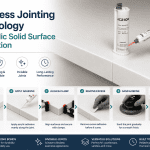
- scratches can be repaired
- dull surfaces can be refreshed
- localized damage may be corrected
- appearance life can be extended
This renewable performance makes acrylic solid surface highly attractive for lifecycle-focused commercial projects.
Acrylic Solid Surface vs Quartz: Long-Term Lifecycle Comparison
| Factor | Surface solide acrylique | Quartz |
|---|---|---|
| Réparabilité | Excellent | Limité |
| Seam Integration | Near seamless | Coutures visibles |
| Renouvelabilité | Excellent | Faible |
| Appearance Recovery | Possible | Limité |
FAQ
How long does acrylic solid surface last?
With proper specification, fabrication, and maintenance, acrylic solid surface can deliver long-term commercial service performance.
Does acrylic solid surface yellow over time?
Potentially under long-term UV exposure, depending on formulation and environmental conditions.
Can aged acrylic solid surface be restored?
Yes. This is one of the strongest lifecycle advantages of the material.
Is acrylic solid surface durable for commercial use?
Yes, especially when lifecycle renewability and maintainability are considered.
Talk to ACRION About Lifecycle-Focused Architectural Solid Surface Solutions
ACRION fabrique des surfaces solides acryliques de qualité architecturale pour les soins de santé, l'hôtellerie, la vente au détail, les intérieurs commerciaux et les partenariats de fabrication dans le monde entier.
If your project requires durable, maintainable, lifecycle-focused surfacing solutions, our technical team is ready to support your evaluation.