La fabrication sans couture est l’un des avantages techniques les plus importants des systèmes de surfaces solides en acrylique. Contrairement à de nombreux matériaux de surface traditionnels, la surface solide acrylique permet d'assembler plusieurs panneaux en surfaces visuellement continues avec un minimum de coutures visibles, ce qui la rend largement utilisée dans les intérieurs architecturaux, les projets d'hôtellerie, les environnements de soins de santé, les systèmes de vente au détail et les applications de fabrication commerciale personnalisée.
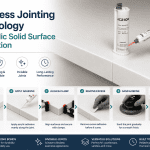
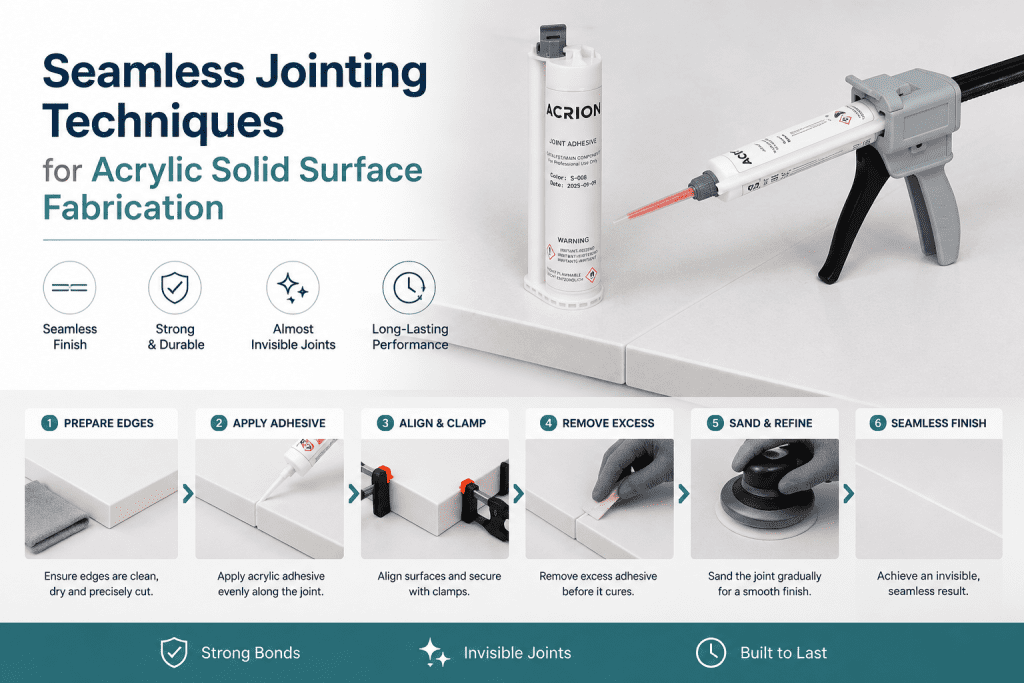
La fabrication professionnelle de joints sans soudure nécessite des systèmes de liaison adhésifs appropriés, une précision de fabrication, une préparation de surface, des procédures de serrage et des techniques de finition. Une fabrication de haute qualité affecte directement l’apparence à long terme, la stabilité structurelle et les performances de maintenance des installations à surface solide.
Pourquoi la fabrication sans couture est importante dans les systèmes à surface solide
L’un des principaux avantages de la surface solide acrylique est sa capacité à créer des surfaces architecturales sans soudure de grand format. Grâce à une fabrication professionnelle et à un collage adhésif de couleur assortie, les panneaux individuels peuvent être intégrés dans des installations visuellement continues avec une visibilité minimale des joints.
Cette capacité de fabrication transparente est particulièrement importante dans des applications telles que :
- Comptoirs et îlots de cuisine
- Comptoirs d'accueil pour l'hôtellerie
- Systèmes de vanité pour soins de santé
- Plans de travail professionnels
- Installations d'affichage au détail
- Systèmes de revêtement mural architectural
Par rapport aux matériaux assemblés mécaniquement ou aux systèmes carrelés, la fabrication de surfaces solides sans soudure crée des transitions visuelles plus nettes et des détails architecturaux plus raffinés.
Systèmes de collage adhésif de couleurs assorties
La fabrication professionnelle de surfaces solides en acrylique utilise généralement des systèmes adhésifs de couleur assortie conçus pour créer des connexions de couture visuellement intégrées. Une sélection appropriée d’adhésif est importante pour obtenir à la fois une stabilité structurelle et un aspect de surface uniforme.
Les considérations importantes en matière de fabrication incluent souvent :
- Consistance des couleurs entre la feuille et l'adhésif
- Procédures appropriées de mélange d’adhésif
- Quantité d'application contrôlée
- Surfaces de collage propres
- Alignement précis des panneaux
- Conditions de durcissement appropriées
Le collage professionnel aide à maintenir à la fois la continuité visuelle et les performances structurelles à long terme des systèmes de surfaces solides sans soudure.
Précision de la préparation et de la fabrication des joints
La précision de la fabrication affecte directement la qualité des coutures. Une bonne préparation des joints aide à réduire les espaces visibles, la concentration des contraintes et l’instabilité de la surface à long terme.
La préparation professionnelle à la fabrication peut inclure :
- Découpe et détourage CNC précis
- Bords de joint plats et propres
- Préparation du collage sans poussière
- Systèmes d'alignement des panneaux appropriés
- Tolérances de fabrication contrôlées
- Préparation du support de substrat adaptée
Même des imprécisions de fabrication mineures peuvent affecter l’apparence finale des joints et les performances d’installation à long terme.
Serrage, durcissement et stabilité de la surface
Les procédures professionnelles de serrage et de durcissement sont importantes lors de la fabrication de joints sans soudure. Une pression de serrage appropriée aide à maintenir la cohérence des joints tout en empêchant le mouvement du panneau pendant le durcissement de l'adhésif.
Les fabricants doivent également tenir compte des conditions environnementales telles que la température et l'humidité pendant le processus de durcissement, en particulier dans les installations commerciales de grand format.
Des conditions de durcissement stables contribuent à améliorer la fiabilité des coutures à long terme et à réduire le risque de stress articulaire futur ou de mouvement visible.
Procédures de ponçage et de finition
Après le durcissement de l’adhésif, des procédures professionnelles de ponçage et de finition sont essentielles pour obtenir une intégration visuelle transparente. Le processus de finition permet de fondre la zone de joint dans la surface environnante et de maintenir une texture de surface cohérente.
Les systèmes de finition professionnels peuvent inclure :
- Séquences de ponçage progressives
- Correspondance de la texture de la surface
- Contrôle du fini mat ou satiné
- Dépoussiérage et nettoyage
- Affinement des détails des bords
- Inspection finale des surfaces
Des procédures de ponçage et de finition appropriées sont essentielles pour réaliser des installations professionnelles et sans couture sur surface solide.
Considérations sur la dilatation thermique et le support structurel
Les installations à surface solide de grand format peuvent être exposées à des variations de température, à des mouvements environnementaux et à des contraintes opérationnelles. Les systèmes de fabrication professionnels doivent donc prendre en compte les tolérances de dilatation thermique et un support structurel approprié.
Les considérations importantes peuvent inclure :
- Espacement des supports pour les longues portées
- Planification des allocations d'agrandissement
- Stabilité du substrat
- Réduction du stress autour des articulations
- Détails de transition murale
- Systèmes d'aide à l'installation grand format
Des systèmes de support appropriés aident à maintenir la stabilité structurelle à long terme et à réduire les risques de stress liés aux joints dans les applications commerciales et architecturales.
Applications dans les projets de cuisine, d'hôtellerie et commerciaux
La fabrication de surfaces solides en acrylique sans soudure est largement utilisée dans les environnements résidentiels, hôteliers, de soins de santé, de vente au détail et commerciaux, car elle combine flexibilité architecturale, détails intégrés et maintenabilité à long terme.
- Comptoirs et îlots de cuisine
- Comptoirs d'accueil pour l'hôtellerie
- Systèmes de vanité de salle de bain intégrés
- Stations de lavage médicales
- Environnements d'affichage au détail
- Systèmes de revêtement mural commerciaux
- Installations architecturales intérieures
Solutions de surfaces de fabrication ACRION
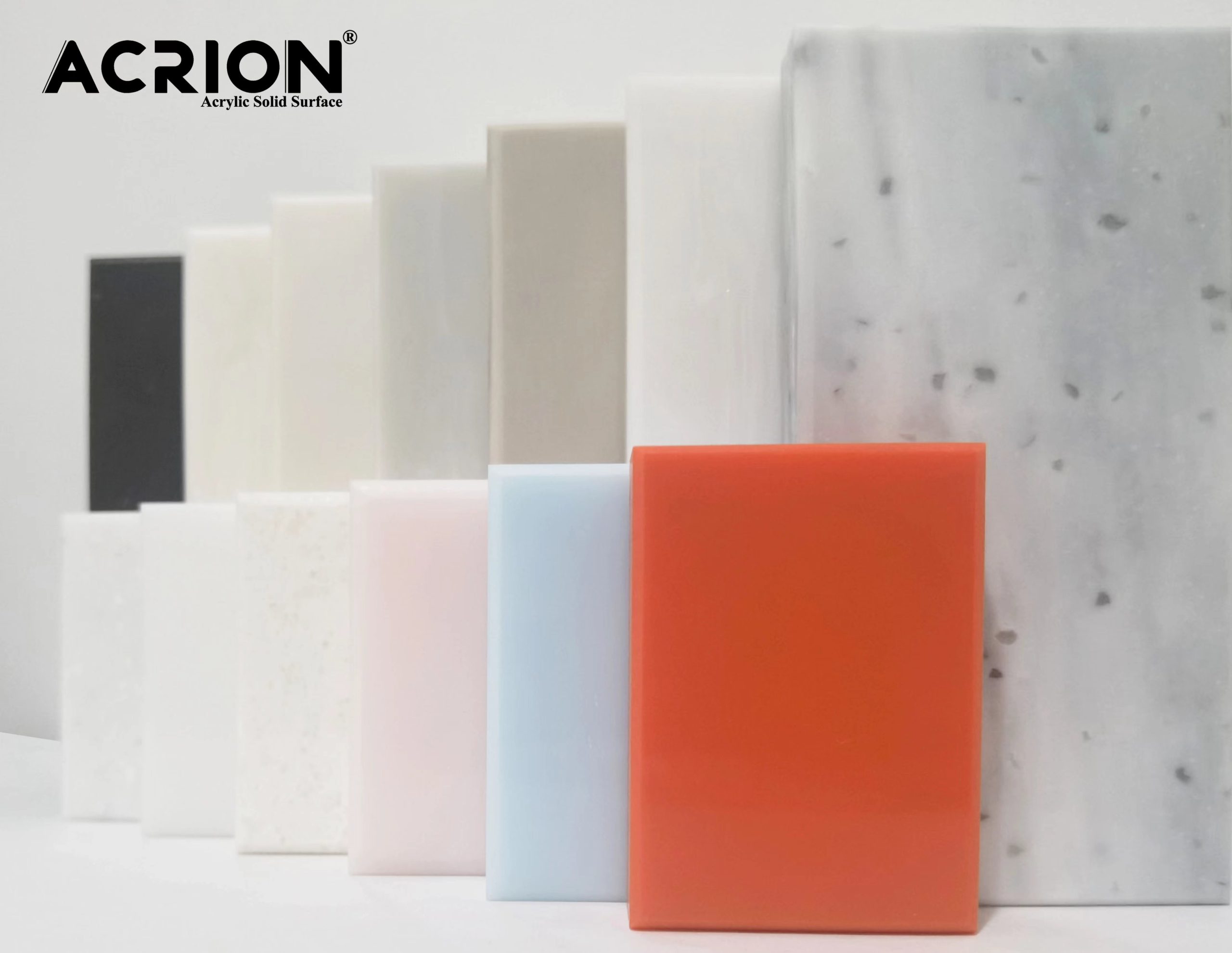
ACRION fournit des matériaux architecturaux à surface solide pour les intérieurs d'hôtellerie, les établissements de santé, les projets résidentiels, les environnements de vente au détail et les applications de fabrication commerciale. Nos systèmes de surfaces solides en acrylique sont conçus pour une fabrication sans couture, des détails architecturaux intégrés, une stabilité structurelle à long terme et des performances de fabrication professionnelles.
Nous travaillons avec des architectes, des fabricants, des entrepreneurs, des distributeurs et des équipes de projet du monde entier pour prendre en charge les systèmes de surfaces modernes sans soudure et les applications de fabrication orientées projet.