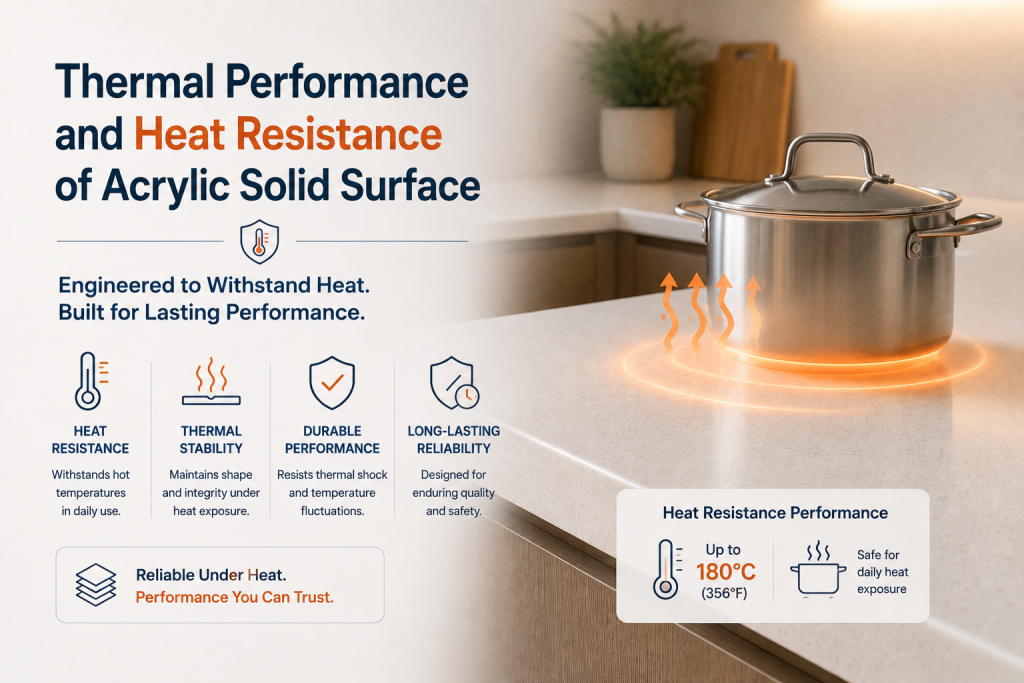
建築家、製造業者、デザイナー、住宅所有者にとって、キッチン、医療施設、商業用内装、ホスピタリティ プロジェクトの表面材料を選択する際、熱性能は重要な考慮事項です。

20 年以上の製造とプロジェクトの経験を持つプロのアクリル固体表面メーカーとして、ACRION は、熱伝導率、熱抵抗、および熱成形能力が、たとえ非常に異なる材料の挙動を表しているにもかかわらず、市場でしばしば混同されることを理解しています。

この記事では、熱伝達挙動、表面の快適さ、耐熱限界、製造関連の熱特性など、熱条件下でアクリル固体表面がどのように機能するかについて説明します。

What Is Thermal Conductivity?

Thermal conductivity measures how quickly heat passes through a material.

Materials with high thermal conductivity transfer heat rapidly, while materials with lower thermal conductivity transfer heat more slowly.

Acrylic solid surface generally has lower thermal conductivity compared with highly conductive materials such as stainless steel or aluminum.

This lower heat transfer behavior contributes to a warmer and more comfortable tactile experience during everyday use.

Why Acrylic Solid Surface Feels Warmer Than Metal

One of the practical effects of lower thermal conductivity is that acrylic solid surface usually feels less cold to the touch compared with metal surfaces.

材料Typical Surface Feel
Stainless SteelCold and highly conductive
AluminumRapid heat transfer and cool touch sensation
Quartz SurfaceDense and relatively cool tactile feel
アクリル固体表面Warmer and softer touch experience

This characteristic is one reason acrylic solid surface is widely used in healthcare, hospitality, and residential environments where user comfort is important.

Heat Resistance of Acrylic Solid Surface

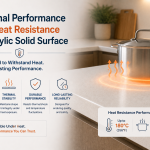
Although acrylic solid surface offers moderate heat resistance for everyday use, it is not designed for prolonged direct exposure to extreme temperatures.

Like most polymer-based architectural materials, acrylic solid surface may be affected by:

  • Direct contact with hot cookware
  • Prolonged high-temperature exposure
  • Localized heat concentration
  • Thermal shock conditions

Potential effects of excessive heat exposure may include:

  • Discoloration
  • Surface dulling
  • Softening
  • Warping
  • Cracking or seam stress

For this reason, professional manufacturers and fabricators generally recommend avoiding direct placement of extremely hot cookware on the surface.

Importance of Heat Pads and Thermal Protection

In residential kitchens and commercial food preparation areas, it is recommended to use:

  • Heat pads
  • Trivets
  • Insulated supports
  • Protective countertop accessories

These precautions help reduce localized thermal stress and improve long-term surface durability.

Even materials with moderate heat resistance may still be damaged by sudden or prolonged high-temperature exposure.

What Is Thermal Shock?

Thermal shock occurs when a material experiences rapid temperature changes in a localized area.

Examples may include:

  • Placing extremely hot cookware on a cool surface
  • Sudden temperature transitions
  • Concentrated heating in unsupported areas

Under severe thermal shock conditions, stress may develop within the material structure or at adhesive joints.

Proper installation, support structure, and responsible daily use help minimize these risks.

Thermoforming Capability of Acrylic Solid Surface

One of the major advantages of acrylic solid surface compared with many rigid surface materials is its thermoforming capability.

Under controlled heating conditions, acrylic solid surface can become flexible enough for curved and complex fabrication applications.

Common thermoformed applications include:

  • Curved reception desks
  • Integrated backsplashes
  • Healthcare workstations
  • Custom commercial counters
  • Organic architectural forms

Thermoforming behavior is mainly related to polymer softening characteristics and fabrication control rather than thermal conductivity itself.

Factors Affecting Thermal Performance

The thermal behavior of acrylic solid surface may vary depending on:

  • Resin formulation
  • Color selection
  • Sheet thickness
  • Environmental temperature
  • Installation design
  • サポート構造
  • Fabrication quality

Dark colors and unsupported spans may sometimes show higher sensitivity to thermal expansion or localized heat accumulation.

Applications Benefiting from Balanced Thermal Performance

Acrylic solid surface is widely used in applications where balanced thermal behavior, user comfort, and fabrication flexibility are important.

  • 医療施設
  • おもてなしインテリア
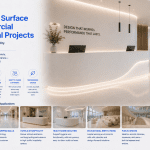
  • 商業用受付エリア
  • 住宅用キッチンとバスルーム
  • 小売環境
  • Custom architectural installations

Its combination of lower thermal conductivity, seamless fabrication, and thermoforming capability makes it highly versatile for interior architectural applications.

Important Clarification About Thermal Performance

It is important to distinguish between different thermal material properties.

  • Low thermal conductivity does not mean high heat resistance
  • Thermoforming capability does not mean unlimited heat durability
  • Polymer-based materials can still be damaged by excessive heat exposure
  • Proper thermal protection remains important in daily use

結論

Acrylic solid surface provides balanced thermal performance for commercial and residential architectural applications. Its relatively low thermal conductivity contributes to a warmer tactile experience, while its thermoforming capability enables advanced fabrication flexibility.

However, acrylic solid surface should not be considered a high-temperature industrial material. Proper heat protection and responsible daily use remain essential for maintaining long-term appearance and structural performance.

At ACRION, we continue to develop acrylic solid surface solutions engineered for architectural fabrication, user comfort, and long-term commercial durability worldwide.