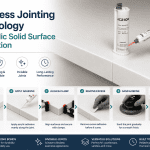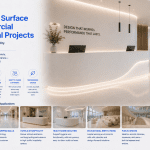
Acrylic solid surface is widely used in healthcare facilities, hospitality interiors, retail environments, commercial projects, and residential applications because of its seamless appearance, hygienic performance, and long-term repairability.

Compared with many conventional decorative materials, acrylic solid surface offers lower long-term maintenance requirements and the ability to restore surface appearance through refinishing and repair procedures. Proper maintenance practices help preserve both the visual quality and functional performance of the material over many years of use.

Why Acrylic Solid Surface Requires Low Maintenance

Acrylic solid surface features a dense and non-porous material structure that resists moisture penetration, surface contamination, and many common stains encountered in daily commercial and residential environments.

Unlike tiled surfaces or laminated materials with exposed joints, acrylic solid surface can be fabricated with seamless connections that help reduce dirt accumulation and simplify routine cleaning procedures.

Its renewable surface structure also allows many scratches, stains, and localized damages to be repaired instead of requiring complete replacement.

Daily Cleaning and Routine Care

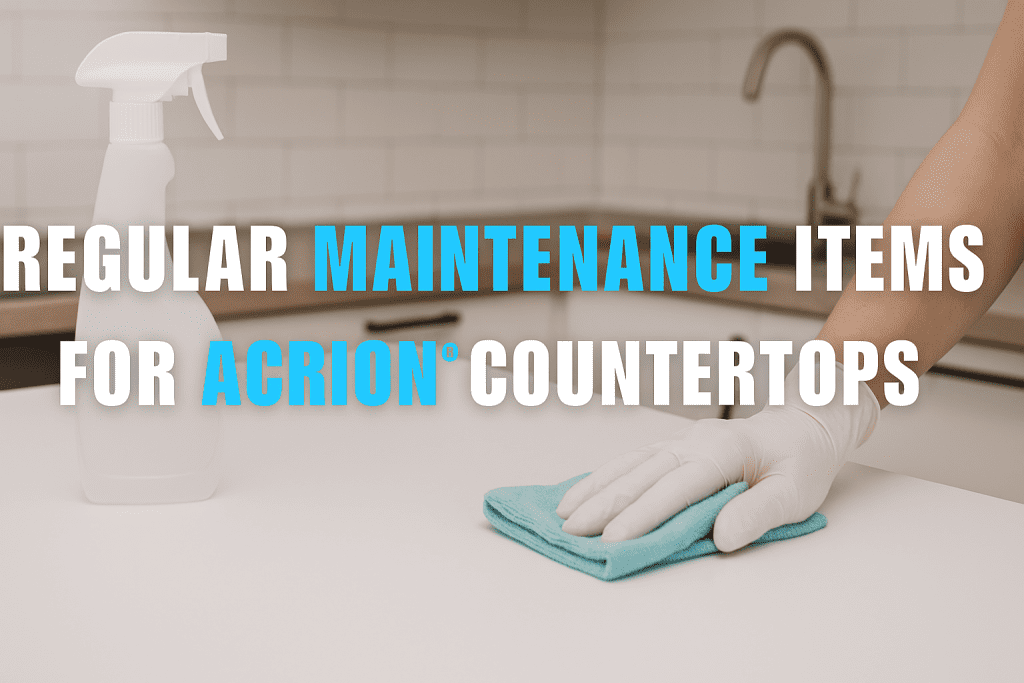
Routine maintenance for acrylic solid surface is generally simple and does not require specialized cleaning procedures.

  • Use microfiber cloths or soft sponges for daily cleaning
  • Apply mild pH-neutral cleaning agents when necessary
  • Clean spills promptly to reduce surface residue accumulation
  • Use non-abrasive cleaning products for regular maintenance
  • Maintain dry and clean working surfaces in commercial environments

For most commercial and residential applications, warm water and mild detergent are sufficient for daily surface care.

Preventive Maintenance Practices

Although acrylic solid surface is durable and repairable, preventive maintenance practices can significantly extend the long-term appearance and performance of the material.

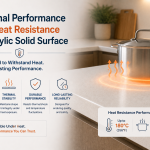
  • Use heat pads under hot cookware and appliances
  • Use cutting boards during food preparation
  • Avoid direct flame exposure
  • Prevent heavy impact from sharp or hard objects
  • Avoid prolonged exposure to aggressive industrial chemicals

These simple preventive measures help reduce the risk of scratches, thermal damage, and unnecessary surface wear in both residential and commercial installations.

Maintenance in Commercial and Public Interior Environments

In healthcare, hospitality, retail, and public interior projects, surface materials are exposed to continuous daily use and regular cleaning procedures.

Acrylic solid surface is highly suitable for these environments because its seamless and non-porous structure supports hygienic maintenance while reducing visible joint lines and contamination areas.

Common commercial applications include:

  • 医療用ワークトップとナースステーション
  • 商業用受付カウンター
  • Hospitality vanity systems
  • Restaurant service counters
  • Public washroom systems
  • Retail display surfaces

In these high-traffic environments, proper maintenance planning contributes significantly to long-term operational efficiency and lifecycle cost management.

Surface Finish Maintenance Considerations

Different surface finishes may require slightly different maintenance approaches.

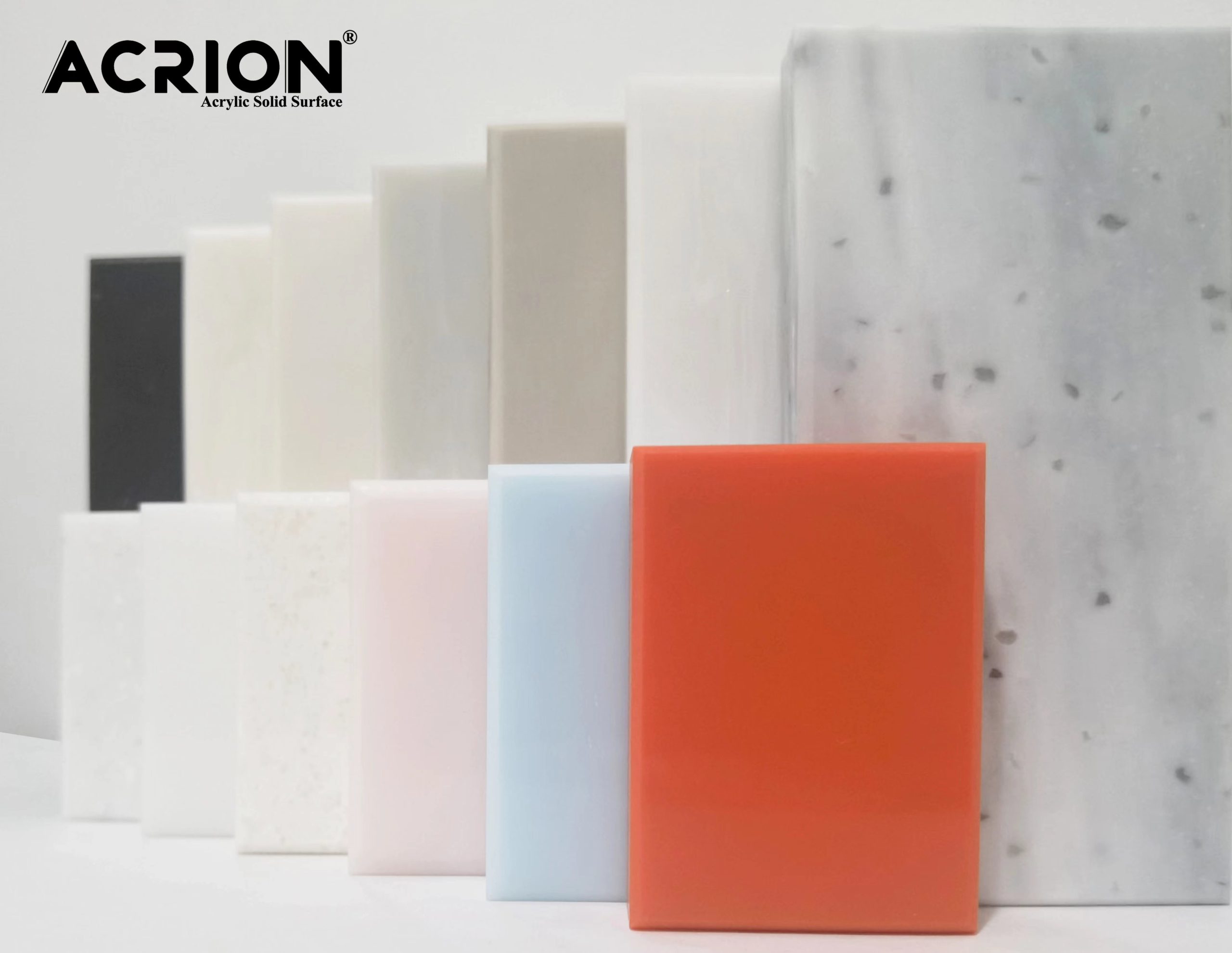
  • Matte finish: easiest to maintain and restore
  • Satin finish: balanced appearance and maintenance performance
  • Gloss finish: visually striking but more sensitive to visible scratches and swirl marks

For commercial architectural applications with heavy daily use, matte and satin finishes are often preferred because they provide better long-term visual consistency and easier refinishing capability.

Periodic Surface Restoration and Refinishing

One of the major advantages of acrylic solid surface is its renewable surface structure. Minor scratches, stains, and surface wear can often be repaired through sanding and refinishing procedures.

Professional fabricators can restore many surfaces to their original appearance using controlled abrasive sanding systems and surface finishing techniques.

This refinishing capability significantly extends the service life of acrylic solid surface installations compared with many non-repairable decorative materials.

Cleaning Agents and Chemicals to Avoid

Although acrylic solid surface is resistant to many common household and commercial cleaning products, some chemicals should still be avoided.

  • Strong acid cleaners
  • Paint removers
  • Methylene chloride-based products
  • Highly abrasive metallic pads
  • Industrial chemicals not intended for decorative surfaces

Always follow manufacturer recommendations when using specialized cleaning or disinfecting products in commercial environments.

Lifecycle Advantages for Architectural Projects

In modern architectural projects, long-term maintenance performance is an important consideration for developers, architects, and facility operators.

The repairable and renewable characteristics of acrylic solid surface help reduce replacement frequency, simplify maintenance procedures, and lower long-term operational costs for commercial interiors.

Unlike many decorative materials that require full replacement after surface damage, acrylic solid surface often allows localized restoration while maintaining its seamless appearance.

Architectural Solid Surface Designed for Long-Term Performance

From healthcare facilities and hospitality interiors to retail environments and commercial reception systems, acrylic solid surface continues to provide a durable, hygienic, and maintainable surfacing solution for modern architectural applications.

At ACRION, we focus on developing architectural solid surface materials engineered for seamless fabrication, long-term maintenance performance, and commercial interior applications worldwide.