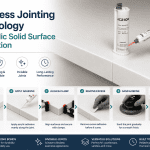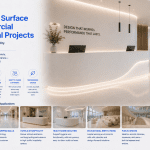
アクリル固体表面への取り付けを成功させるには、正確な製造だけではありません。アライメントの品質、サポートの平坦性、インターフェースのフィット制御はすべて、プロフェッショナルな最終結果を提供する上で重要な役割を果たします。
たとえ高級な固体表面材料であっても、設置位置の調整が適切に制御されていない場合、仕上がりが不十分に見える可能性があります。目に見える隙間、不均一な継ぎ目、垂直方向の傾き、不安定なサポート状態はすべて、プロジェクトの品質を損なう可能性があります。
設置位置の調整が重要な理由
アクリルの固体表面の設置には、単純な平面ではなく、組み立てられた加工システムが含まれることがよくあります。これらには、ウォーターフォール エッジ、垂直リターン、受付カウンター、統合された化粧台、カスタム アーキテクチャ アプリケーションが含まれる場合があります。
アライメントが悪いと、次のような問題が発生する可能性があります。
- 目に見える取り付けギャップ
- 不均一な縫い目の移行
- 水平でない表面
- 垂直アセンブリの位置がずれている
- 加工された接合部への応力の伝達
- 視覚的な仕上がりが悪い
1. カウンタートップから壁までのフィット品質
最も一般的な設置品質の問題の 1 つは、加工された表面と隣接する壁の間の適合性が一貫していないことです。
実際の建築環境では、壁が完全に真っ直ぐまたは四角い状態になることはほとんどありません。取り付けの専門家は、強制的な取り付けではなく、制御されたフィットの詳細設定を通じてこれらの変動を管理する必要があります。
検査では以下に焦点を当てる必要があります。
- 一貫した界面ギャップの外観
- きれいな壁のトランジション
- 目に見える歪みはありません
- 必要に応じて適切なシーラントの詳細を記載
2. 内閣と支持の平準化
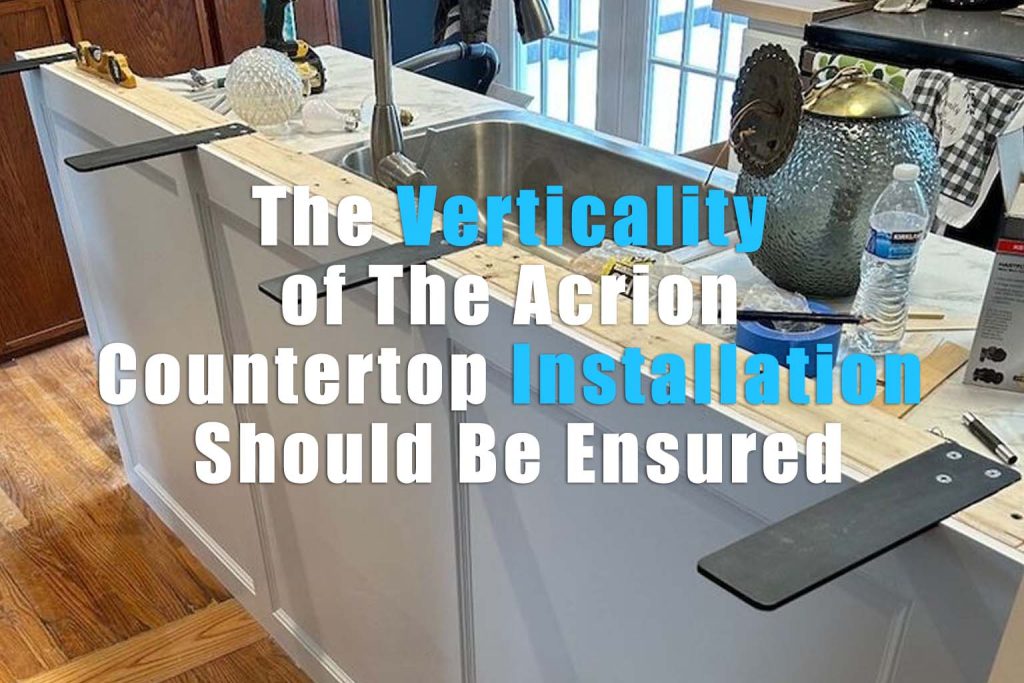
固体表面は製造材料であり、構造フレーム システムではありません。設置の品質は、組み立てられたアセンブリの下の安定した水平なサポートに大きく依存します。
サポート検査では以下を確認する必要があります。
- キャビネットの天板を水平にする
- 安定した耐荷重サポート
- 揺れや動きはありません
- 一貫した構造接触
サポートのわずかなずれでも、目に見える位置ずれや長期にわたる応力亀裂が発生する可能性があります。
3. ウォーターフォールエッジの位置合わせ
ウォーターフォール エッジ アプリケーションは、固体表面への設置の中でも視覚的に最も要求が厳しいものの 1 つです。
品質検査では次のことを確認する必要があります。
- 真の垂直方向の視覚的配置
- きれいなコーナーシームの実行
- 傾いていない外観
- 安定した構造サポート
ウォーターフォール型の設置では、わずかなずれでもすぐに目立ちます。
4. 垂直アセンブリの位置合わせ
受付カウンター、垂直リターン、カスタム製作アセンブリには、制御された鉛直位置合わせが必要です。
位置がずれていると、次のような問題が発生する可能性があります。
- 視覚的なバランスが悪い
- 縫い目部分のストレス
- 目に見える製造上の欠陥
- 顧客の受け入れの問題
5. 公差調整
取り付け位置の調整の問題は、多くの場合、単一の誤差ではなく、累積された公差の変動によって発生します。
- 壁の偏差
- キャビネットの寸法バリエーション
- 製造公差
- 床の段差
- 取り付けフィット調整
専門的な設置では、完璧な現場条件を想定するのではなく、寸法的な積み重ねを予測する必要があります。
6. 縫い目の位置合わせの品質
継ぎ目は、アクリル固体表面のインスタレーションにおいて最も視覚的に敏感な部分の 1 つです。
検査では次のことを確認する必要があります。
- スムーズな高さの変化
- 一貫した仕上げブレンド
- 目に見えるリッジ効果なし
- ストレスを引き起こす強制的なフィット感はありません
7. 最終設置品質検査
専門的な QA は、技術的なチェックと目視検査を組み合わせる必要があります。
- 直接のサイトラインレビュー
- ギャップ整合性検査
- 縫い目の触感検査
- サポート安定性チェック
- 全体的な仕上がり品質のレビュー
クイック取り付け調整チェックリスト
| 検査エリア | 品質重視 |
|---|---|
| 壁インターフェース | 一貫したフィット感ときれいなトランジション |
| 内閣支持 | レベルが高く安定している |
| 滝の縁 | 真の垂直方向の配置 |
| 垂直アセンブリ | 鉛直な外観 |
| 縫い目 | 滑らかで整列した |
| 公差管理 | コントロールされたフィット調整 |
アライメント制御が最も重要なアプリケーション
- 受付カウンター
- ホテルの洗面化粧台システム
- ウォーターフォールエッジのカウンタートップ
- 小売店カウンター
- 医療用ワークトップ
- 建築物によるインスタレーション
よくある質問
設置位置の調整が重要なのはなぜですか?
アライメントが悪いと、外観、縫い目の品質、構造的な応力分散、長期耐久性に影響します。
壁は常に完全に真っ直ぐですか?
いいえ、実際の建設環境では、多くの場合、専門的なフィット管理とインターフェイスの詳細設定が必要です。
サポートが不十分だとアライメントに影響が出る可能性がありますか?
はい。不安定または不均一な支持構造は、位置合わせ欠陥の最も一般的な原因の 1 つです。
最終的な考え
プロフェッショナルなアクリル固体表面の取り付けは、取り付け時の即席の調整ではなく、規律あるアライメント制御、正確なフィット管理、安定したサポート エンジニアリングに依存します。
ACRION は、製造の信頼性、シームレスな施工、要求の厳しい商業用途向けに設計された建築用固体表面材料を開発しています。