A superfície sólida acrílica é amplamente utilizada em instalações de saúde, interiores de hospitalidade, ambientes de varejo, projetos comerciais e aplicações residenciais devido à sua aparência perfeita, desempenho higiênico e características de superfície renováveis.
Em projetos arquitetônicos modernos, espera-se que os materiais de superfície mantenham a aparência, a funcionalidade operacional e a eficiência de manutenção a longo prazo durante muitos anos de uso contínuo. O planejamento adequado da manutenção do ciclo de vida desempenha um papel importante na preservação do desempenho e da consistência visual das instalações de superfície sólida acrílica.
Ao contrário de muitos materiais decorativos que requerem substituição completa após desgaste visível ou danos localizados, a superfície sólida acrílica geralmente permite procedimentos de retoque, reparo e renovação de superfície que prolongam significativamente a vida útil do material.
Por que a manutenção do ciclo de vida é importante em projetos arquitetônicos
Em ambientes internos comerciais e públicos, os materiais de superfície estão continuamente expostos ao tráfego diário, aos procedimentos de limpeza, ao desgaste operacional e às condições ambientais de longo prazo.
Para arquitetos, desenvolvedores, operadores hoteleiros, instalações de saúde e proprietários de projetos comerciais, o desempenho da manutenção do ciclo de vida afeta diretamente:
- Custos operacionais de longo prazo
- Frequência de substituição
- Tempo de inatividade da instalação
- Consistência visual
- Gestão de higiene
- Eficiência de manutenção
Devido à sua estrutura renovável e reparável, a superfície sólida acrílica é amplamente considerada uma solução prática de revestimento de longo prazo para ambientes internos comerciais.
Por que a superfície sólida acrílica tem um bom desempenho a longo prazo
A superfície sólida acrílica apresenta uma estrutura homogênea de material de corpo inteiro, em vez de uma fina camada superficial decorativa. Esta composição de superfície renovável permite que muitas formas de desgaste, arranhões, manchas e danos localizados sejam reparados através de procedimentos de retoque e restauração.
As suas características não porosas e uniformes também simplificam a limpeza de rotina e a manutenção da higiene em ambientes comerciais exigentes.
Essas características tornam a superfície sólida acrílica altamente adequada para aplicações arquitetônicas de longo prazo que exigem durabilidade, facilidade de manutenção e eficiência operacional.
Manutenção Diária e Cuidados Rotineiros de Superfície
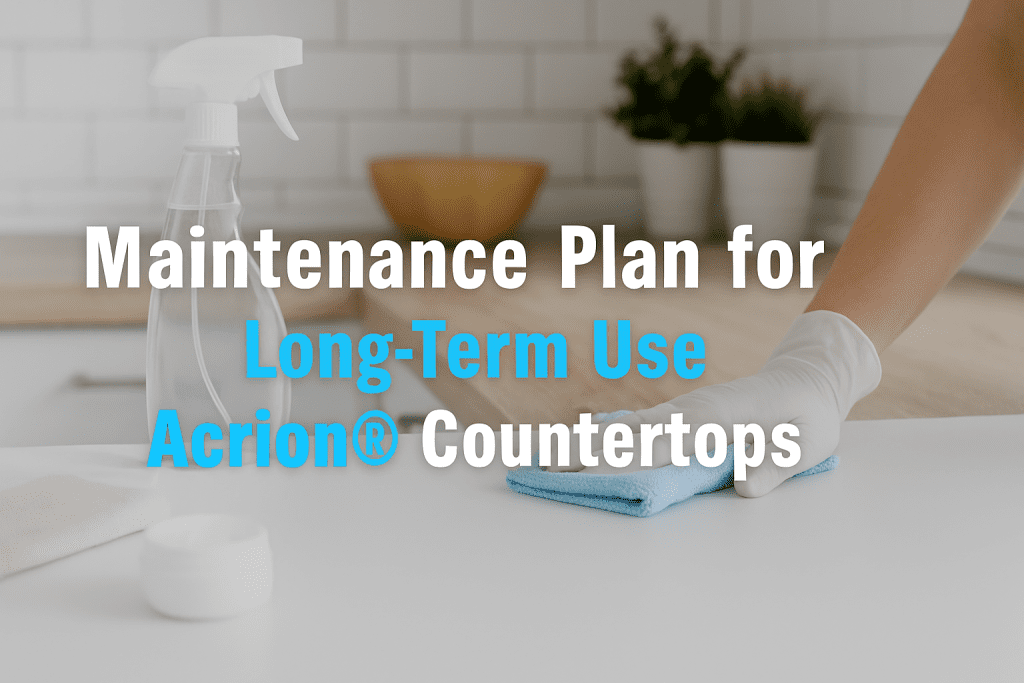
A manutenção diária de rotina é essencial para preservar a aparência e a limpeza a longo prazo das instalações de superfície sólida acrílica.
- Use panos de microfibra ou esponjas macias para limpeza de rotina
- Aplique agentes de limpeza suaves com pH neutro quando necessário
- Limpe derramamentos imediatamente para reduzir o acúmulo de resíduos
- Use produtos de limpeza não abrasivos
- Manter procedimentos regulares de higiene em ambientes comerciais
Para a maioria das aplicações, procedimentos simples de limpeza são suficientes para manter uma superfície limpa e com aparência profissional.
Estratégias de Manutenção Preventiva
As práticas de manutenção preventiva ajudam a reduzir o desgaste excessivo da superfície e prolongam a vida útil a longo prazo das instalações de superfície sólida acrílica.
- Use tábuas de corte durante o preparo dos alimentos
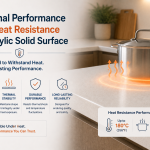
- Use almofadas térmicas sob panelas e eletrodomésticos quentes
- Evite a exposição direta à chama
- Evite o impacto de objetos pontiagudos ou pesados
- Evite a exposição prolongada a produtos químicos industriais agressivos
- Realize inspeções visuais periódicas em áreas de tráfego intenso
O planejamento de manutenção preventiva é particularmente importante para instalações de saúde, interiores de hotelaria, restaurantes, ambientes de varejo e projetos de interiores públicos com operação diária contínua.
Planejamento de manutenção comercial para ambientes de alto tráfego
Diferentes aplicações comerciais podem exigir diferentes prioridades de manutenção dependendo das condições operacionais e da intensidade do usuário.
- Instalações de saúde: gestão de higiene e compatibilidade de desinfecção
- Interiores de hospitalidade: consistência da aparência e restauração da superfície
- Ambientes de varejo: gerenciamento de riscos e manutenção de bordas
- Áreas de serviço do restaurante: prevenção de manchas e proteção contra calor
- Banheiros públicos: resistência à umidade e eficiência de limpeza
O planejamento da manutenção do ciclo de vida ajuda os operadores comerciais a reduzir interrupções operacionais e, ao mesmo tempo, manter a aparência profissional da superfície ao longo do tempo.
Refinamento e renovação periódica de superfícies
Uma das principais vantagens da superfície sólida acrílica é a sua capacidade de superfície renovável. Pequenos arranhões, opacidade superficial, desgaste localizado e leves marcas de impacto podem muitas vezes ser restaurados através de procedimentos de retoque profissional.
Fabricantes profissionais podem usar:
- Lixamento abrasivo progressivo
- Sistemas de retoque orbital
- Correção de textura de superfície
- Procedimentos de mistura localizados
- Restauração com acabamento fosco e acetinado
Esta capacidade de retoque prolonga significativamente a vida útil da superfície sólida acrílica em comparação com muitos materiais decorativos não reparáveis.
Vantagens do reparo localizado
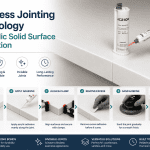
Em muitos casos, os danos localizados podem ser reparados sem substituir toda a instalação. Fabricantes profissionais podem realizar procedimentos de reparo localizados sem costura usando material de superfície sólida acrílica correspondente e sistemas adesivos de cor correspondente.
Esta capacidade de reparação localizada ajuda a reduzir os custos de substituição e minimiza o tempo de inatividade operacional em ambientes comerciais.
Considerações sobre manutenção de acabamento superficial
Diferentes acabamentos de superfície exigem naturalmente diferentes abordagens de manutenção a longo prazo.
- Acabamento fosco: mais fácil de manter e restaurar
- Acabamento acetinado: aparência equilibrada e desempenho de manutenção
- Acabamento brilhante: visualmente reflexivo, mas mais sensível a arranhões visíveis e inconsistência de polimento
Para aplicações arquitetônicas comerciais de alto tráfego, os acabamentos fosco e acetinado são frequentemente preferidos porque proporcionam melhor flexibilidade de manutenção a longo prazo e capacidade de retoque mais fácil.
Vantagens do custo do ciclo de vida para projetos comerciais
O desempenho da manutenção a longo prazo tornou-se uma consideração cada vez mais importante em projetos de interiores arquitetônicos e comerciais modernos.
As características renováveis e reparáveis da superfície sólida acrílica ajudam a reduzir a frequência de substituição e, ao mesmo tempo, prolongam a vida útil operacional do material.
Ao contrário de muitas superfícies decorativas que requerem substituição completa após a ocorrência de desgaste ou danos visíveis, a superfície sólida acrílica geralmente permite retoque e restauração localizada, preservando a continuidade visual perfeita.
Superfície sólida arquitetônica projetada para desempenho de longo prazo
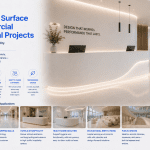
Desde instalações de saúde e interiores de hospitalidade até ambientes de varejo e sistemas de recepção comercial, a superfície sólida acrílica continua a fornecer aos arquitetos, desenvolvedores e operadores de instalações uma solução de revestimento durável, higiênica, renovável e de fácil manutenção.
Na ACRION, nos concentramos no desenvolvimento de materiais arquitetônicos de superfície sólida projetados para fabricação contínua, desempenho de superfície renovável e aplicações internas comerciais de longo prazo em todo o mundo.