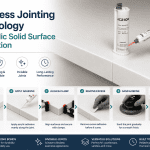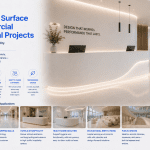
A superfície sólida acrílica é amplamente utilizada em instalações de saúde, interiores de hospitalidade, ambientes de varejo, projetos comerciais e aplicações residenciais devido à sua aparência perfeita, desempenho higiênico e capacidade de reparo a longo prazo.
Em comparação com muitos materiais decorativos convencionais, a superfície sólida acrílica oferece menores requisitos de manutenção a longo prazo e a capacidade de restaurar a aparência da superfície através de procedimentos de retoque e reparo. Práticas adequadas de manutenção ajudam a preservar a qualidade visual e o desempenho funcional do material ao longo de muitos anos de uso.
Por que a superfície sólida acrílica requer baixa manutenção
A superfície sólida acrílica apresenta uma estrutura de material densa e não porosa que resiste à penetração de umidade, contaminação da superfície e muitas manchas comuns encontradas em ambientes comerciais e residenciais diários.
Ao contrário das superfícies de azulejos ou materiais laminados com juntas expostas, as superfícies sólidas acrílicas podem ser fabricadas com conexões perfeitas que ajudam a reduzir o acúmulo de sujeira e simplificam os procedimentos de limpeza de rotina.
Sua estrutura de superfície renovável também permite que muitos arranhões, manchas e danos localizados sejam reparados em vez de exigir uma substituição completa.
Limpeza Diária e Cuidados de Rotina
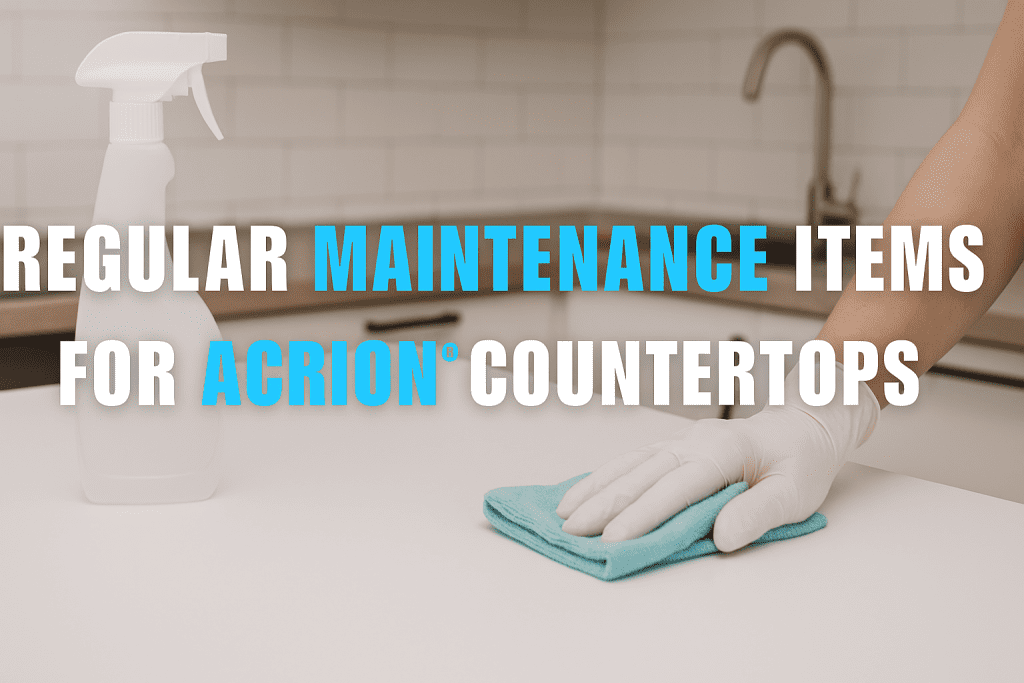
A manutenção de rotina para superfícies sólidas acrílicas é geralmente simples e não requer procedimentos de limpeza especializados.
- Use panos de microfibra ou esponjas macias para limpeza diária
- Aplique agentes de limpeza suaves com pH neutro quando necessário
- Limpe derramamentos imediatamente para reduzir o acúmulo de resíduos na superfície
- Use produtos de limpeza não abrasivos para manutenção regular
- Mantenha as superfícies de trabalho secas e limpas em ambientes comerciais
Para a maioria das aplicações comerciais e residenciais, água morna e detergente neutro são suficientes para o cuidado diário da superfície.
Práticas de Manutenção Preventiva
Embora a superfície sólida acrílica seja durável e reparável, as práticas de manutenção preventiva podem prolongar significativamente a aparência e o desempenho do material a longo prazo.
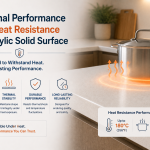
- Use almofadas térmicas sob panelas e eletrodomésticos quentes
- Use tábuas de corte durante o preparo dos alimentos
- Evite a exposição direta à chama
- Evite impactos fortes de objetos pontiagudos ou duros
- Evite a exposição prolongada a produtos químicos industriais agressivos
Estas medidas preventivas simples ajudam a reduzir o risco de arranhões, danos térmicos e desgaste superficial desnecessário em instalações residenciais e comerciais.
Manutenção em Ambientes Interiores Comerciais e Públicos
Em projetos de saúde, hotelaria, varejo e interiores públicos, os materiais de superfície são expostos ao uso diário contínuo e a procedimentos regulares de limpeza.
A superfície sólida acrílica é altamente adequada para esses ambientes porque sua estrutura contínua e não porosa suporta a manutenção higiênica, ao mesmo tempo que reduz linhas de juntas visíveis e áreas de contaminação.
As aplicações comerciais comuns incluem:
- Bancadas de saúde e postos de enfermagem
- Balcões de recepção comercial
- Sistemas de vaidade para hospitalidade
- Balcões de serviço de restaurante
- Sistemas de banheiros públicos
- Superfícies de exibição de varejo
Nestes ambientes de tráfego intenso, o planejamento de manutenção adequado contribui significativamente para a eficiência operacional de longo prazo e para o gerenciamento dos custos do ciclo de vida.
Considerações sobre manutenção de acabamento superficial
Diferentes acabamentos de superfície podem exigir abordagens de manutenção ligeiramente diferentes.
- Acabamento fosco: mais fácil de manter e restaurar
- Acabamento acetinado: aparência equilibrada e desempenho de manutenção
- Acabamento brilhante: visualmente impressionante, mas mais sensível a arranhões visíveis e marcas de redemoinho
Para aplicações arquitetônicas comerciais com uso diário intenso, os acabamentos fosco e acetinado são frequentemente preferidos porque proporcionam melhor consistência visual a longo prazo e capacidade de retoque mais fácil.
Restauração e acabamento periódico de superfícies
Uma das principais vantagens da superfície sólida acrílica é a sua estrutura de superfície renovável. Pequenos arranhões, manchas e desgaste superficial muitas vezes podem ser reparados por meio de procedimentos de lixamento e retoque.
Os fabricantes profissionais podem restaurar muitas superfícies à sua aparência original usando sistemas de lixamento abrasivos controlados e técnicas de acabamento superficial.
Esta capacidade de retoque prolonga significativamente a vida útil das instalações de superfície sólida acrílica em comparação com muitos materiais decorativos não reparáveis.
Agentes de limpeza e produtos químicos a evitar
Embora a superfície sólida acrílica seja resistente a muitos produtos de limpeza domésticos e comerciais comuns, alguns produtos químicos ainda devem ser evitados.
- Produtos de limpeza ácidos fortes
- Removedores de tinta
- Produtos à base de cloreto de metileno
- Pastilhas metálicas altamente abrasivas
- Produtos químicos industriais não destinados a superfícies decorativas
Siga sempre as recomendações do fabricante ao utilizar produtos especializados de limpeza ou desinfecção em ambientes comerciais.
Vantagens do ciclo de vida para projetos arquitetônicos
Em projetos arquitetônicos modernos, o desempenho da manutenção a longo prazo é uma consideração importante para desenvolvedores, arquitetos e operadores de instalações.
As características reparáveis e renováveis da superfície sólida acrílica ajudam a reduzir a frequência de substituição, simplificam os procedimentos de manutenção e reduzem os custos operacionais a longo prazo para interiores comerciais.
Ao contrário de muitos materiais decorativos que requerem substituição completa após danos superficiais, a superfície sólida acrílica geralmente permite restauração localizada, mantendo sua aparência perfeita.
Superfície sólida arquitetônica projetada para desempenho de longo prazo
Desde instalações de saúde e interiores de hospitalidade até ambientes de varejo e sistemas de recepção comercial, a superfície sólida acrílica continua a fornecer uma solução de superfície durável, higiênica e de fácil manutenção para aplicações arquitetônicas modernas.
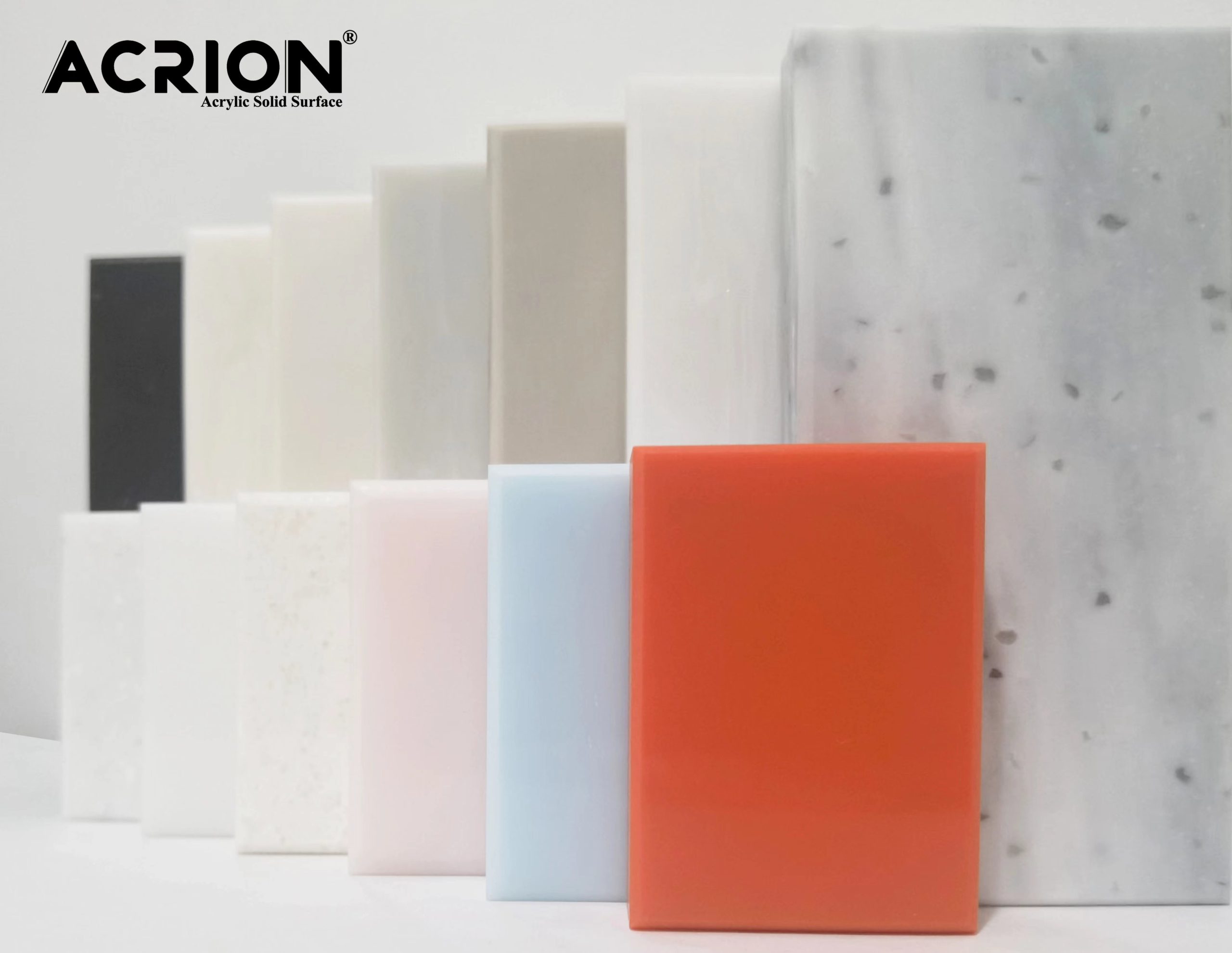
Na ACRION, nos concentramos no desenvolvimento de materiais arquitetônicos de superfície sólida projetados para fabricação contínua, desempenho de manutenção de longo prazo e aplicações internas comerciais em todo o mundo.