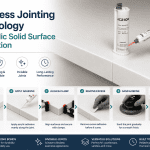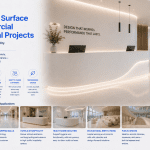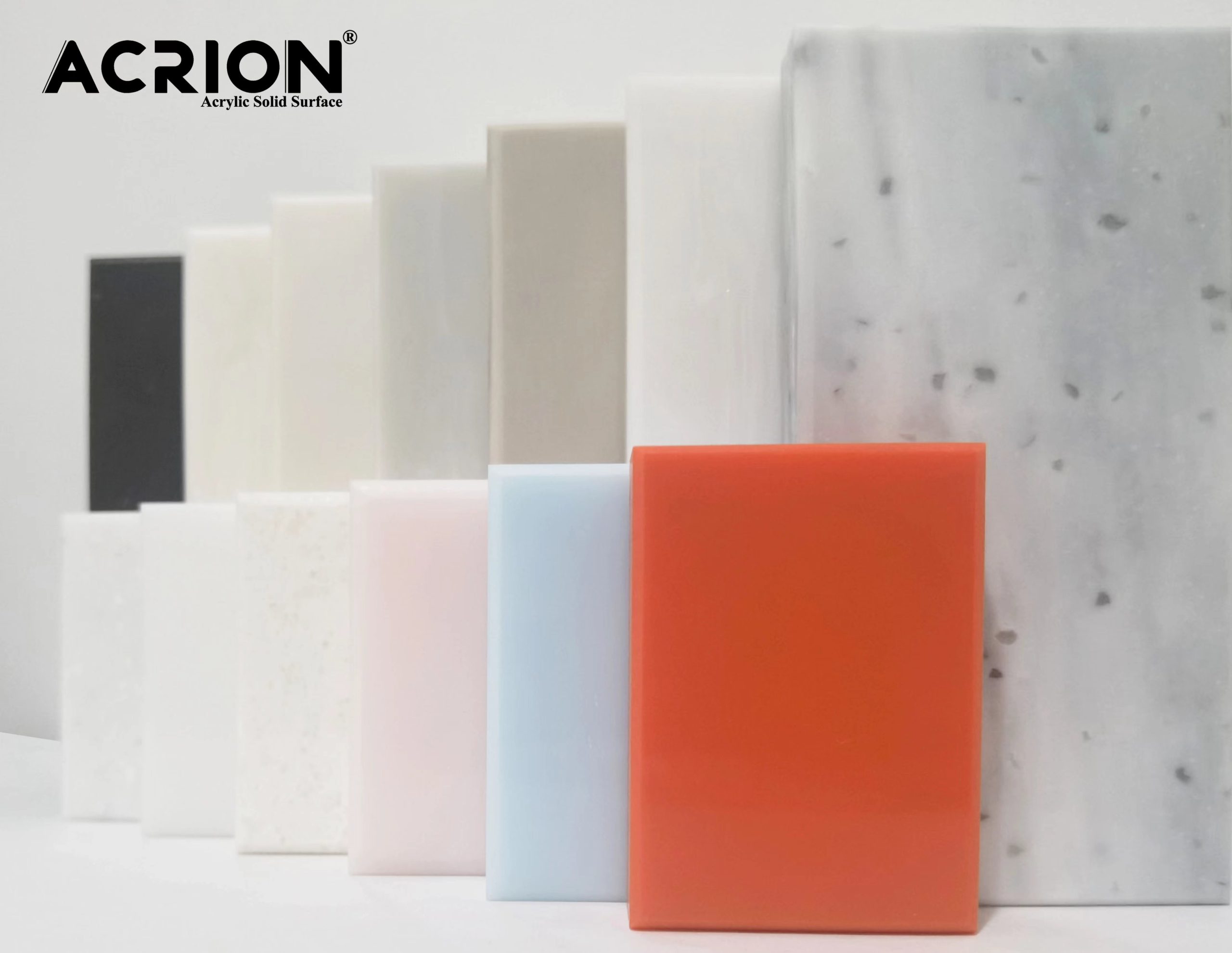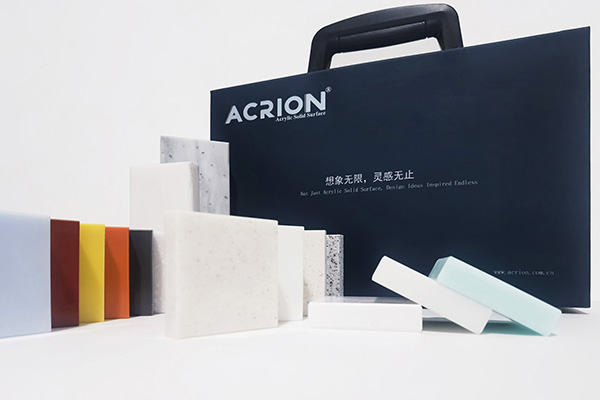
Акриловая твердая поверхность широко используется в медицинских учреждениях, гостиничных интерьерах, торговых помещениях, коммерческих проектах и жилых помещениях из-за ее бесшовного внешнего вида, непористой структуры, гигиенических характеристик и возобновляемых характеристик поверхности.
В современных архитектурных интерьерах одной только регулярной уборки не всегда достаточно для поддержания гигиенических характеристик и внешнего вида поверхности в течение длительного времени. Периодические процедуры глубокой очистки помогают удалить накопившиеся остатки, снизить риск загрязнения поверхности, восстановить визуальную целостность и обеспечить долгосрочное обслуживание в течение жизненного цикла.
Поскольку акриловая твердая поверхность непористая и бесшовная, она особенно подходит для коммерческих помещений, требующих эффективной санитарии и профессионального управления техническим обслуживанием.
Почему глубокая очистка важна в коммерческих архитектурных объектах
В медицинских учреждениях, гостиничном бизнесе, ресторанах, торговых помещениях, лабораториях и общественных туалетах поверхности подвергаются постоянному эксплуатационному использованию, влаге, накоплению остатков и частому контакту.
Периодические процедуры глубокой очистки помогают поддерживать:
- Долгосрочные гигиенические характеристики
- Профессиональный внешний вид
- Постоянная чистота поверхности
- Эксплуатационные санитарные нормы
- Эффективность обслуживания жизненного цикла
- Снижение накопления остатков
Тщательное планирование технического обслуживания особенно важно в коммерческих проектах, где поверхности подвергаются непрерывной ежедневной эксплуатации и интенсивному трафику пользователей.
Гигиенические преимущества акриловой твердой поверхности
Акриловая твердая поверхность имеет плотную и непористую структуру материала, которая помогает противостоять проникновению влаги и загрязнению поверхности. В отличие от пористых материалов или поверхностей с толстыми швами, бесшовные акриловые конструкции с твердой поверхностью уменьшают количество мест, где может накапливаться грязь, остатки или влага.
Эти гигиенические характеристики являются одной из причин, по которой акриловая твердая поверхность широко используется в медицинских учреждениях, интерьерах гостиниц, туалетных комнатах, ресторанах и общественных архитектурных объектах. :contentReference[oaicite:1]{index=1}
Ежедневная уборка против глубокой уборки
Регулярная ежедневная очистка предназначена для удаления с поверхности пыли, разливов и общих эксплуатационных остатков. Процедуры глубокой очистки направлены на удаление накопившихся загрязнений, восстановление консистенции поверхности и поддержание долгосрочного гигиенического обслуживания.
- Ежедневная уборка: регулярная протирка поверхностей и общий уход
- Глубокая очистка: интенсивное удаление остатков и техническое обслуживание, ориентированное на санитарию
- Периодическая полировка: возобновляемое восстановление поверхности и обновление внешнего вида
Сочетание этих подходов к техническому обслуживанию помогает сохранить долгосрочную работоспособность установок с акриловой твердой поверхностью.
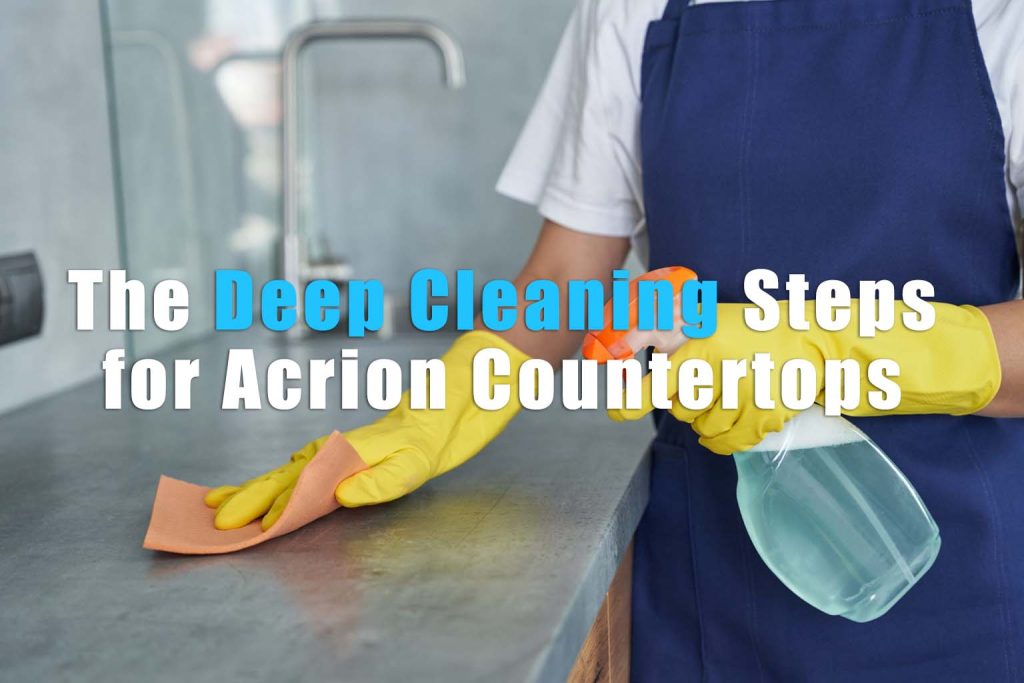
Профессиональные процедуры глубокой очистки
Профессиональные процедуры глубокой очистки должны быть направлены на удаление накопившихся остатков, сохраняя при этом чистоту поверхности и целостный внешний вид материала.
- Удалите мусор и пыль с поверхности.
- Используйте салфетки из микрофибры или неабразивные губки.
- При необходимости наносите мягкие чистящие средства с нейтральным pH.
- Тщательно очистите места частого контакта.
- Полностью промойте поверхности после очистки.
- Сухие поверхности для уменьшения образования пятен от воды
Для коммерческих проектов с непрерывным ежедневным использованием графики периодической глубокой очистки часто включаются в планирование технического обслуживания объекта.
Управление поверхностными пятнами и остатками
Хотя твердая акриловая поверхность устойчива ко многим распространенным пятнам, в условиях интенсивного использования со временем все равно может происходить накопление остатков.
Общие зоны, требующие тщательной очистки, включают:
- Зоны приготовления пищи
- Медицинские рабочие станции
- Системы туалетного столика для гостиничного бизнеса
- Стойки ресторанного обслуживания
- Системы общественных туалетов
- Коммерческие стойки регистрации
Периодическая глубокая очистка помогает поддерживать постоянный внешний вид и гигиенические стандарты эксплуатации во всех сферах применения.
Вопросы коммерческой санитарии
В разных коммерческих условиях могут потребоваться разные приоритеты в области санитарии в зависимости от интенсивности эксплуатации и требований гигиены.
- Медицинские учреждения: совместимость с дезинфицирующими средствами и гигиеническое обращение с поверхностями
- Интерьеры гостеприимства: визуальная чистота с видом на гостя
- Розничная среда: высококонтактная санация поверхностей
- Рестораны и места общественного питания: управление жиром и остатками
- Общественные туалеты: контроль влажности и эффективность очистки
Правильные процедуры глубокой очистки помогают поддерживать профессиональные эксплуатационные стандарты, одновременно сокращая проблемы, связанные с долгосрочным обслуживанием.
Рекомендации по очистке поверхности
Разные виды отделки поверхности, естественно, требуют немного разных подходов к очистке и уходу.
- Матовый финиш: самый простой в обслуживании и восстановлении
- Сатиновый финиш: сбалансированный внешний вид и гибкость в обслуживании
- Глянцевая отделка: более светоотражающий, но более чувствительный к видимым следам чистки и неравномерности полировки
Для коммерческих архитектурных проектов с интенсивным эксплуатационным использованием часто предпочтительнее матовая и сатиновая отделка, поскольку они обеспечивают большую гибкость в долгосрочном обслуживании и более легкую возможность обновления поверхности.
Глубокая очистка и уход за возобновляемыми поверхностями
Одним из основных преимуществ акриловой твердой поверхности является ее возобновляемая структура поверхности. Помимо процедур глубокой очистки, профессиональные производители могут при необходимости выполнять периодическую полировку и восстановление поверхности.
Процедуры профессионального технического обслуживания могут включать в себя:
- Прогрессивное абразивное шлифование
- Коррекция текстуры поверхности
- Локальная полировка
- Восстановление матового и сатинового финиша.
- Бесшовные процедуры локализованного ремонта
Эта возможность возобновляемой поверхности значительно продлевает срок службы акриловой твердой поверхности по сравнению со многими неремонтопригодными декоративными материалами.
Почему акриловая твердая поверхность обеспечивает долгосрочные гигиенические характеристики
В современных архитектурных интерьерах долгосрочное управление гигиеной и эффективность обслуживания становятся все более важными факторами для архитекторов, девелоперов, операторов гостиничного бизнеса и менеджеров объектов.
Бесшовные, непористые, возобновляемые и ремонтопригодные характеристики акриловой твердой поверхности помогают поддерживать эффективные санитарные процедуры, одновременно сокращая проблемы, связанные с долгосрочным эксплуатационным обслуживанием.
В отличие от многих декоративных материалов, которые требуют полной замены после видимого износа или загрязнения, акриловая твердая поверхность часто допускает глубокий уход, повторную полировку и локальную реставрацию, сохраняя при этом бесшовную визуальную непрерывность.
Архитектурная твердая поверхность, разработанная для коммерческого применения в гигиенических целях
От медицинских учреждений и интерьеров гостиничного бизнеса до торговых помещений и общественных туалетов акриловая твердая поверхность продолжает предоставлять архитекторам и коммерческим операторам гигиеничное, возобновляемое и ремонтопригодное решение для покрытия для современных архитектурных применений.
В ACRION мы концентрируемся на разработке архитектурных материалов с твердой поверхностью, предназначенных для бесшовного изготовления, обеспечения гигиенических характеристик и долгосрочного коммерческого применения внутри помещений по всему миру.