Акриловая твердая поверхность остается одним из наиболее универсальных материалов, используемых в современной коммерческой внутренней архитектуре, медицинских учреждениях, проектах гостиничного бизнеса, системах розничной торговли и индивидуальных архитектурных проектах по всему миру.
Как профессиональный производитель акриловых твердых поверхностей с более чем 20-летним опытом производства и реализации проектов, ACRION понимает, что реальная ценность акриловых твердых поверхностей выходит далеко за рамки традиционного применения столешниц.
Его важность в современной архитектуре обусловлена сочетанием возможности бесшовного изготовления, гибкости термоформования, технологии возобновляемых поверхностей и интегрированного потенциала индивидуального изготовления.
В этой статье объясняется, почему акриловая твердая поверхность продолжает оставаться очень актуальной в коммерческом дизайне интерьера и системах архитектурного изготовления.
Что такое акриловая твердая поверхность?
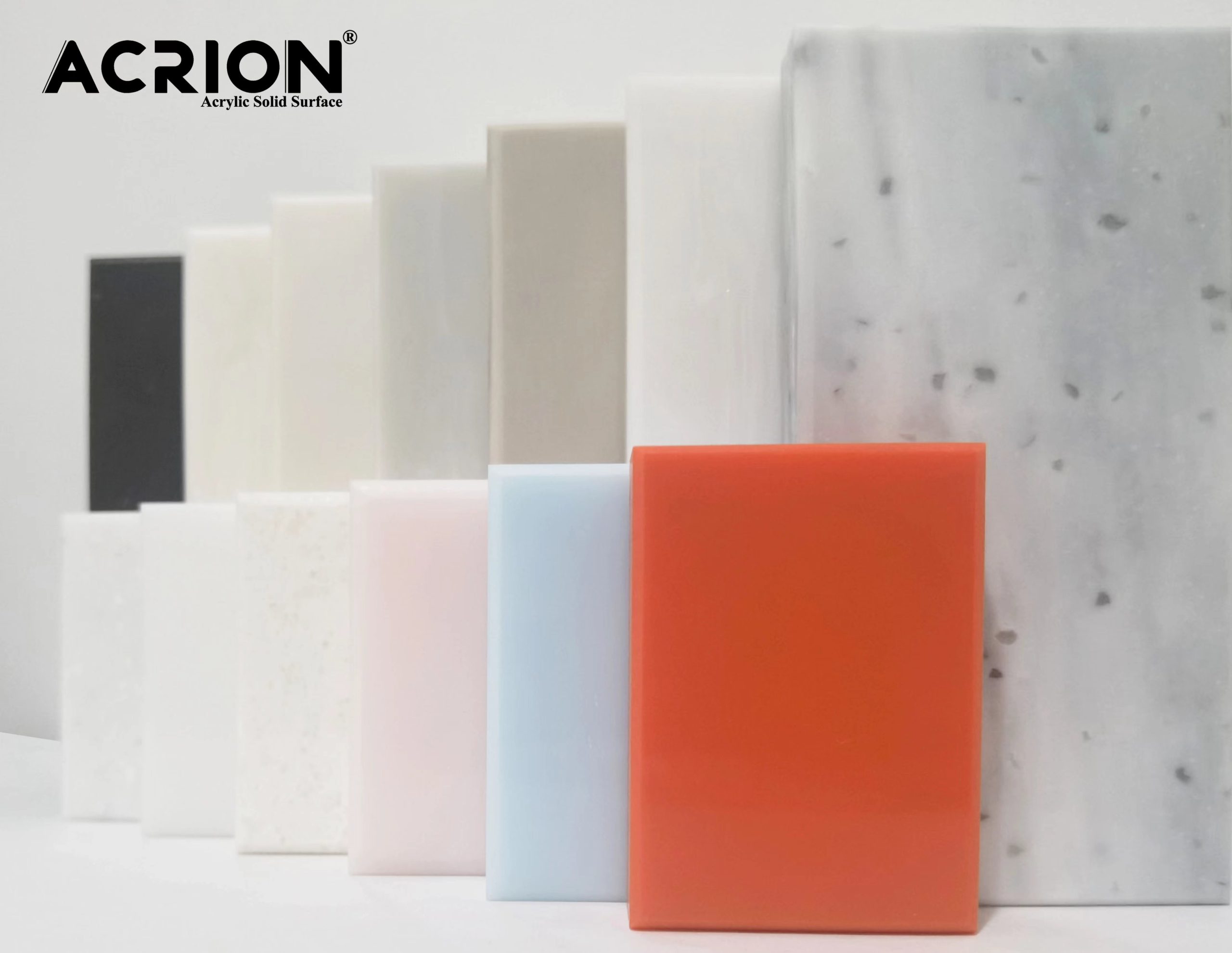
Акриловая твердая поверхность представляет собой однородный инженерный материал, обычно изготавливаемый с использованием систем акриловых смол в сочетании с минеральными наполнителями и пигментами.
В отличие от слоистых декоративных материалов, акриловая твердая поверхность сохраняет относительно постоянную структуру и цвет по всей толщине материала.
Эта однородная структура поддерживает:
- Бесшовное изготовление
- Возобновляемость поверхности
- Возможность термоформования
- Комплексные производственные решения
- Гибкость в долгосрочном обслуживании
Чем акриловая твердая поверхность отличается от кварца и камня
Различные архитектурные материалы обеспечивают разные преимущества в производительности в зависимости от применения.
| Материал | Основная сила |
|---|---|
| Акриловая твердая поверхность | Гибкость изготовления и бесшовная интеграция |
| Кварцевая поверхность | Более высокая твердость поверхности |
| Спеченный камень | Отличная устойчивость к теплу и ультрафиолету |
| Натуральный камень | Естественные визуальные вариации |
| Ламинат | Более низкая первоначальная стоимость |
Уникальным преимуществом акриловой твердой поверхности является не чрезвычайная твердость или сверхвысокая термостойкость, а ее способность поддерживать индивидуальное изготовление и интегрированный архитектурный дизайн.
Возможность бесшовного изготовления
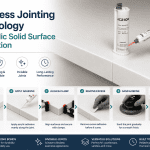
Одной из определяющих характеристик акриловой твердой поверхности является возможность ее бесшовного изготовления.
Используя профессиональные методы изготовления и клеевые системы подобранного по цвету, несколько листов можно визуально интегрировать в непрерывные архитектурные поверхности с минимальными видимыми стыками.
Эта возможность особенно ценна в:
- Здравоохранение
- Коммерческие стойки регистрации
- Гостиничные интерьеры
- Интегрированные системы туалетного столика
- Розничная торговля архитектурным оборудованием
- Проекты общественного интерьера
Бесшовное изготовление улучшает визуальную целостность, упрощает очистку и поддерживает современную минималистскую архитектурную эстетику.
Гибкость термоформования и изогнутой конструкции
В отличие от многих жестких архитектурных поверхностных материалов, акриловая твердая поверхность может быть подвергнута термоформованию с получением индивидуальных кривых и сложной геометрии в контролируемых условиях изготовления.
Это позволяет производителям и дизайнерам создавать:
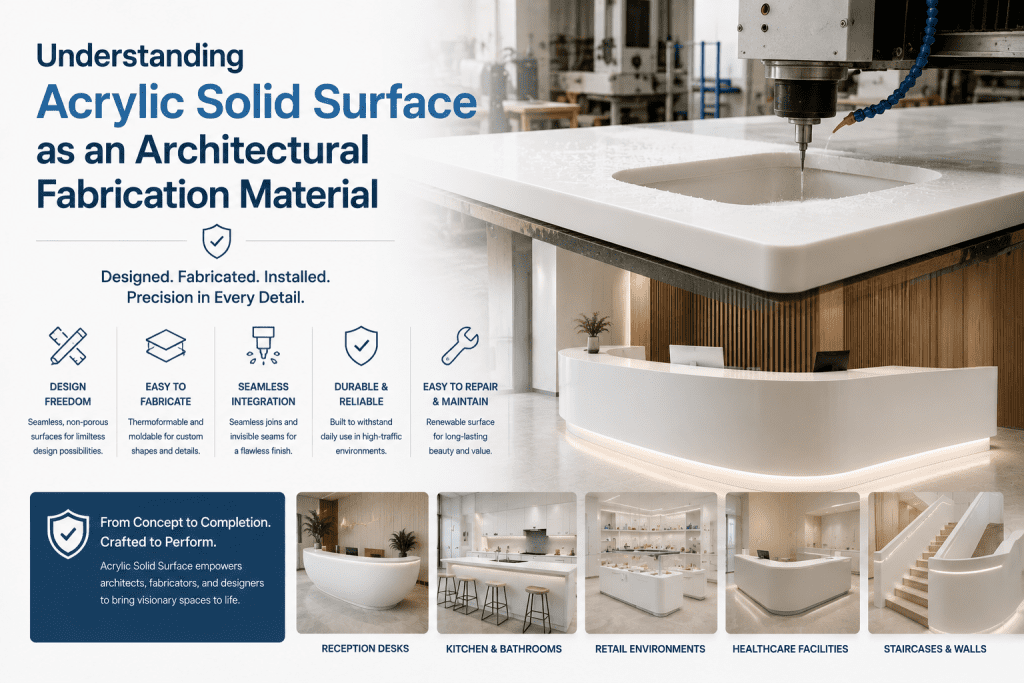
- Изогнутые стойки администратора
- Органические коммерческие прилавки
- Интегрированные стеновые системы
- Индивидуальные медицинские рабочие станции
- Системы витрин для розничной торговли
- Архитектурные элементы с подсветкой
Сочетание термоформования и бесшовного соединения придает акриловой твердой поверхности значительную гибкость дизайна для индивидуальных архитектурных интерьеров.
Технология возобновляемых поверхностей
Поскольку акриловая твердая поверхность представляет собой однородный материал, незначительные повреждения поверхности часто можно устранить с помощью процедур повторной полировки.
Типичные методы восстановления при техническом обслуживании могут включать в себя:
- Профессиональное шлифование
- Полировка поверхности
- Полировальные процедуры
- Локальные ремонтные работы.
Эта возобновляемая поверхность помогает продлить срок службы и поддерживать постоянный внешний вид в коммерческих условиях в течение длительного времени.
Изготовление интегрированной раковины и умывальника
Твердая акриловая поверхность поддерживает интегрированные системы изготовления раковин и раковин, которые создают визуально непрерывные поверхности без открытых переходных зазоров.
Такой интегрированный подход к производству улучшает:
- Визуальная непрерывность
- Легкость очистки
- Эффективность обслуживания
- Интеграция дизайна интерьера
- Современный архитектурный облик
Интегрированное производство широко используется в гостиничном бизнесе, здравоохранении и коммерческих туалетах.
Непористые и гигиеничные характеристики поверхности
Акриловая твердая поверхность широко известна благодаря своей непористой и легко очищаемой поверхности.
Его непористая структура помогает уменьшить проникновение жидкости и упрощает обслуживание при нормальных условиях использования.
В сочетании с возможностью бесшовного изготовления это делает акриловую твердую поверхность очень подходящей для:
- Больницы и клиники
- Коммерческие туалеты
- Гостиничные интерьеры
- Зоны приготовления пищи
- Розничная торговля
Его гигиенические преимущества в первую очередь связаны с возможностью очистки и бесшовной поверхностью, а не с активной антибактериальной химией.
Приложения, выходящие за рамки традиционных столешниц
Сегодня акриловая твердая поверхность широко используется в широком спектре архитектурных и коммерческих производств, помимо традиционных столешниц.
- Стойки регистрации
- Системы облицовки стен
- Торговое оборудование
- Столешницы для здравоохранения
- Коммерческие системы туалетного столика
- Интерьер ресторана
- Общественные архитектурные объекты
- Декоративные системы с подсветкой
Гибкость изготовления позволяет дизайнерам создавать индивидуальные внутренние системы с интегрированной функциональностью и сложной геометрией.
Важные соображения и ограничения
Как и все архитектурные материалы, акриловая твердая поверхность также имеет ограничения по применению, которые следует правильно понимать.
- Посуду с прямым нагревом нельзя ставить на поверхность без защиты.
- Острые предметы могут поцарапать материал.
- На более темных цветах царапины могут быть более заметны.
- Длительное воздействие ультрафиолета на открытом воздухе зависит от состава и климатических условий.
Правильное изготовление, установка и техническое обслуживание остаются важными для долгосрочной работы.
Почему акриловая твердая поверхность продолжает оставаться актуальной
Несмотря на растущую конкуренцию со стороны кварца, фарфора и других инженерных материалов, акриловая твердая поверхность продолжает оставаться очень актуальной из-за ее непревзойденной универсальности изготовления.
Его способность сочетать:
- Бесшовное соединение
- Гибкость термоформования
- Ремонтопригодность
- Комплексное производство
- Архитектурная настройка
делает его одним из наиболее адаптируемых материалов для современной коммерческой внутренней архитектуры.
Заключение
Акриловая твердая поверхность остается одним из наиболее универсальных материалов для изготовления архитектурных изделий, поскольку она сочетает в себе бесшовное изготовление, гибкость термоформования, технологию возобновляемых поверхностей и гигиенические характеристики поверхности в рамках единой интегрированной производственной системы.
Его ценность выходит далеко за рамки традиционного применения столешниц в здравоохранении, гостиничном бизнесе, розничной торговле, коммерческих интерьерах и индивидуальных архитектурных средах.
В ACRION мы продолжаем разрабатывать решения для твердых акриловых поверхностей, предназначенные для архитектурного изготовления, гибкости дизайна и долгосрочной коммерческой долговечности во всем мире.