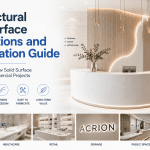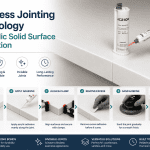
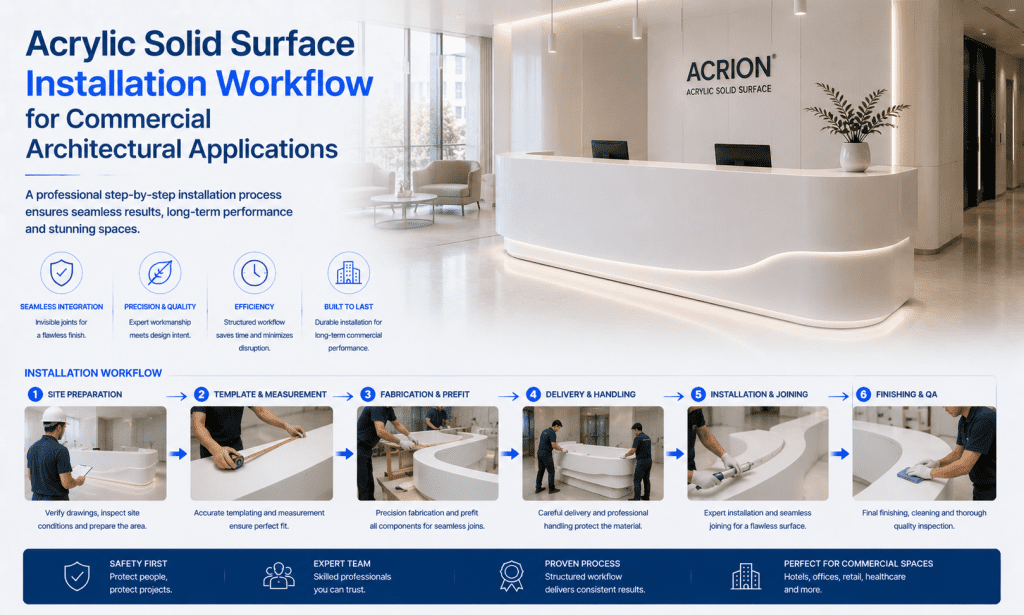
Качество установки напрямую влияет на долгосрочные эксплуатационные характеристики, внешний вид и срок службы акриловых систем с твердым покрытием.
Даже высококачественные компоненты могут работать неэффективно, если монтаж выполнен некачественно. Несовпадение, неровности основания, некачественная обработка швов и неправильная подготовка места — все это может поставить под угрозу конечный результат.
Для архитекторов, производителей, подрядчиков и покупателей проектов установка должна рассматриваться как контролируемый технический рабочий процесс, а не как простая задача сборки на месте.
В этом руководстве описан профессиональный процесс установки акриловой твердой поверхности в коммерческих архитектурных применениях.
Почему качество установки имеет значение
Твердая акриловая поверхность обеспечивает бесшовное изготовление, точную обработку и гибкость архитектурного дизайна, но окончательные результаты проекта во многом зависят от выполнения установки.
Качество монтажа влияет на:
- визуальное выравнивание
- согласованность суставов
- плоскостность поверхности
- структурная стабильность
- точность подгонки
- длительная долговечность
- восприятие пользователем качества изготовления
Типичные применения в коммерческих целях
- стойки регистрации
- медицинские счетчики
- гостиничные туалетные столики
- Коммерческие туалеты
- прилавки розничных услуг
- интерьеры аэропорта
- индивидуальные архитектурные решения
Шаг 1. Подготовка площадки перед установкой
Успешная установка начинается еще до того, как материалы прибудут на место.
Проверка перед установкой должна включать в себя:
- проверка размеров на объекте
- готовность подложки
- проверка несущей конструкции
- проверка пути доступа
- оценка состояния окружающей среды
- координация со смежными профессиями
Неправильная готовность объекта является одной из наиболее частых причин задержек при монтаже и проблем с монтажом.
Прочтите руководство по переустановке
Шаг 2: Доставка, обработка и подготовка места
Перед установкой с готовыми компонентами следует обращаться осторожно, чтобы избежать ненужных повреждений.
- защитить готовые поверхности
- избегать концентрированного напряжения во время движения
- поддерживать чистоту среды установки
- подтвердить идентификацию компонентов по чертежам
Шаг 3: Расположение и выравнивание
Выравнивание – один из наиболее видимых показателей качества монтажа.
Профессиональный контроль сборки должен быть направлен на:
- ровность
- плавные переходы
- выравнивание края
- согласованность суставов
- точность подгонки размеров
- визуальная непрерывность
Плохое выравнивание сразу же подрывает воспринимаемое качество изготовления.
Шаг 4: Совместная интеграция и качество швов
Работоспособность суставов влияет как на эстетику, так и на долговечность эксплуатации.
Монтажные бригады должны обеспечить:
- чистая подготовка к склеиванию
- правильное нанесение клея
- контролируемая интеграция швов
- минимальное визуальное прерывание
- равномерная обработка швов
Там, где ожидается бесшовная интеграция, необходима рабочая дисциплина.
Шаг 5: Проверка качества отделки поверхности
Готовые установки должны быть визуально проверены на наличие:
- царапины на поверхности
- закончить несоответствие
- видимые остатки клея
- дефекты края
- косметический ущерб
- неровный блеск
Шаг 6: Окончательная приемка качества
Установка должна завершиться структурированной приемочной проверкой.
Приемочные контрольные точки могут включать в себя:
- соответствие размеров
- проверка допуска выравнивания
- совместный осмотр внешнего вида
- качество отделки поверхности
- полнота установки
- визуальная проверка передачи
Распространенные ошибки при установке
- плохая подготовка основания
- неточность во время сборки
- неравномерная обработка швов
- предположения об измерениях на месте
- повреждение поверхности при транспортировке
- слабая координация последовательности установки
Рабочий процесс установки и график проекта
Выполнение установки — это лишь часть общей реализации проекта.
График производства, транспортировка, готовность объекта и торговая координация — все это влияет на сроки установки.
Прочтите руководство по временной шкале
Часто задаваемые вопросы
Почему профессиональная установка важна для акриловой твердой поверхности?
Потому что качество установки напрямую влияет на внешний вид, качество швов, соответствие размеров и долговечность.
Какая наиболее распространенная проблема при установке?
Несоответствие центровки и подгонки являются одними из наиболее заметных проблем качества изготовления.
Влияет ли качество установки на производительность жизненного цикла?
Да. Неправильная установка часто приводит к преждевременным косметическим или функциональным проблемам.
Поговорите с ACRION о поддержке проекта Architectural Solid Surface
ACRION поддерживает архитекторов, дистрибьюторов, производителей и покупателей коммерческих проектов, предлагая архитектурные решения для твердых акриловых поверхностей, разработанные для надежного изготовления и установки.
Продолжить обучение:
Что такое акриловая твердая поверхность?