Акриловая твердая поверхность и спеченный камень — два широко используемых архитектурных материала для покрытия в современных проектах гостиничного бизнеса, здравоохранения, жилых, торговых и коммерческих интерьеров. Хотя оба материала обычно используются для столешниц, стеновых систем, поверхностей мебели и комплексных архитектурных решений, их характеристики изготовления, структурные характеристики и гибкость дизайна значительно различаются.
В этой статье сравниваются твердая акриловая поверхность и спеченный камень по методам изготовления, бесшовной интеграции, возможности термоформования, ремонтопригодности, термостойкости, пригодности для здравоохранения и сценариям архитектурного применения.
Что такое акриловая твердая поверхность?
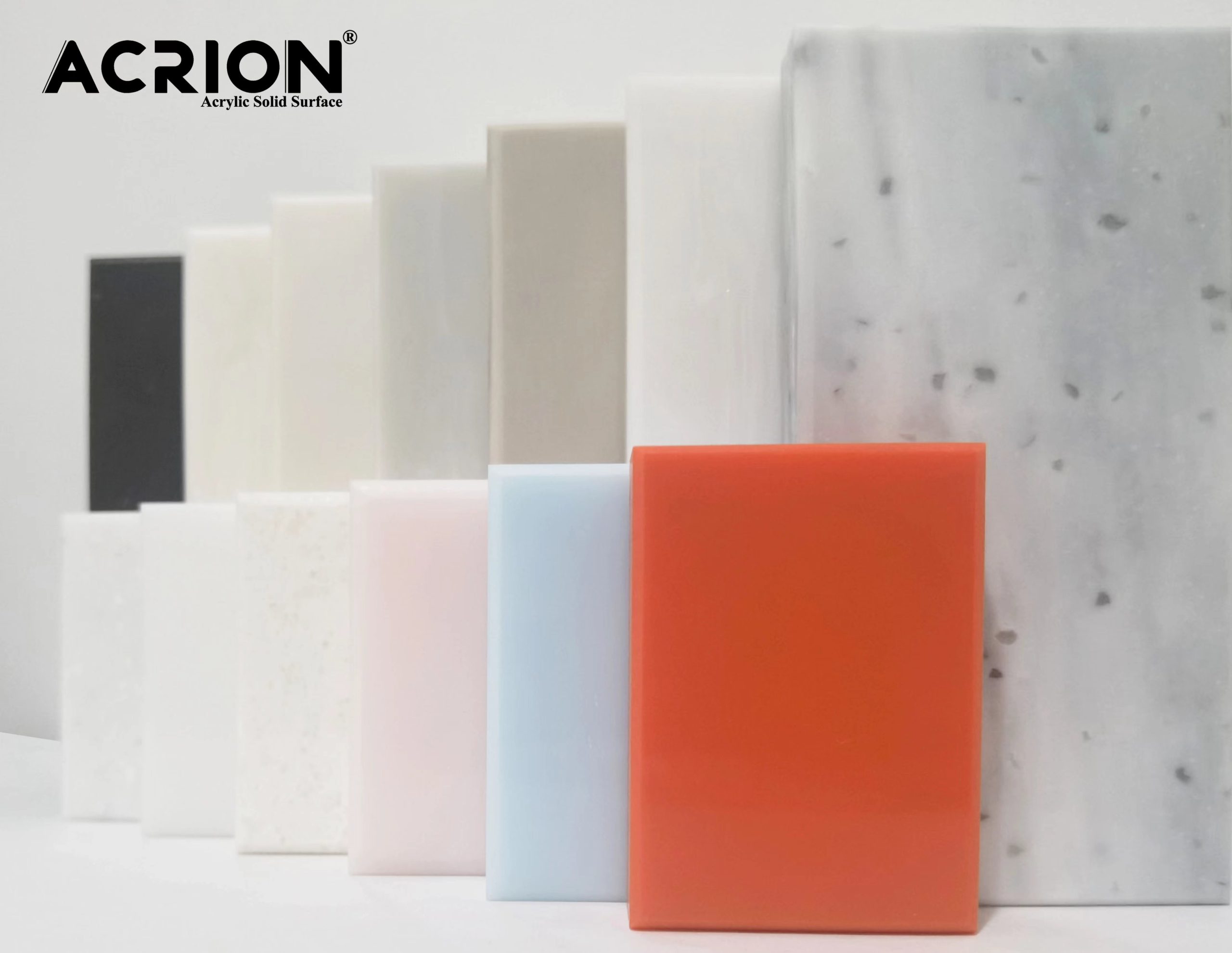
Акриловая твердая поверхность — это непористый архитектурный отделочный материал, обычно изготавливаемый с использованием акриловой смолы и минеральных наполнителей. Он широко используется в интерьерах гостиниц, медицинских учреждений, коммерческих приемных, интегрированных моечных станциях, общественных архитектурных пространствах и индивидуальных производственных проектах.
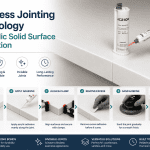
Одной из определяющих характеристик акриловой твердой поверхности является возможность бесшовного изготовления, позволяющая дизайнерам и производителям создавать интегрированные системы столешниц, изогнутую геометрию, термоформованные архитектурные формы и непрерывные переходы поверхностей.
Что такое спеченный камень?
Спеченный камень — это сверхкомпактный материал с искусственной поверхностью, изготавливаемый в условиях чрезвычайно высокого давления и температуры. Он обычно используется для кухонных столешниц, систем облицовки стен, мебели, полов и наружных архитектурных поверхностей.
Поверхности из спеченного камня известны своей высокой термостойкостью, устойчивостью к ультрафиолетовому излучению, устойчивостью к царапинам и внешним видом, напоминающим камень большого формата.
Сравнение состава материалов
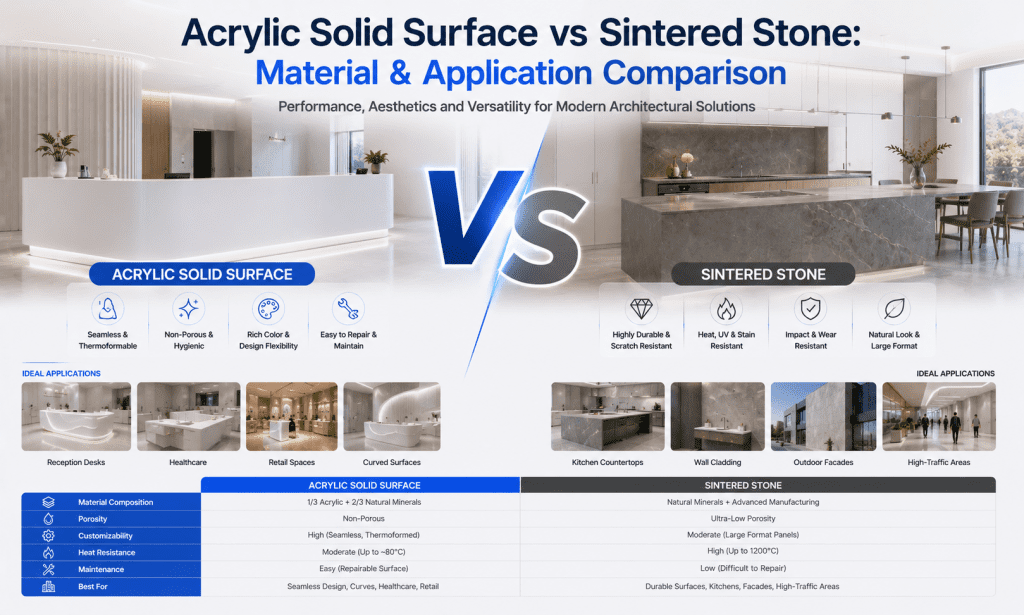
| Область сравнения | Акриловая твердая поверхность | Спеченный камень |
|---|---|---|
| Тип материала | Поверхностный материал на акриловой основе | Ультракомпактная спеченная поверхность |
| Бесшовное изготовление | Отличный | Видимые стыки |
| Возможность термоформования | Да | Нет |
| Ремонтопригодность | Возобновляемая поверхность | Трудно отремонтировать |
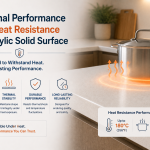
| Теплостойкость | Умеренный | Отличный |
| Устойчивость к царапинам | Умеренный | Сильный |
| Интегрированная возможность мойки | Отличный | Ограниченный |
| Изогнутая геометрия | Отличный | Не подходит |
| Устойчивость к ультрафиолетовому излучению | Умеренный | Отличный |
| Опыт поверхностного касания | Теплее и мягче | Сложнее и круче |
Бесшовное производство и интегрированные поверхностные системы
Одно из основных различий между акриловой твердой поверхностью и спеченным камнем заключается в гибкости изготовления и возможности бесшовной интеграции.
Акриловая твердая поверхность может быть изготовлена с незаметными стыками, что позволяет интегрировать системы столешниц, изогнутые фартуки, бесшовные стойки регистрации, рабочие поверхности для медицинских учреждений и непрерывные архитектурные поверхности.
Для установки из спеченного камня обычно требуются видимые швы между плитами, особенно в крупных проектах и сложных планировках.
Термоформование и изогнутая архитектурная геометрия
Твердая акриловая поверхность поддерживает термоформование, позволяя нагревать материал и придавать ему изогнутую геометрию и скульптурные архитектурные формы.
Эта возможность широко используется в стойках приема гостей, оздоровительных учреждениях, коммерческих интерьерах, архитектурных системах здравоохранения и индивидуальных общественных объектах.
Спеченный камень представляет собой жесткий плитный материал и обычно не подходит для термоформования или изготовления изогнутых изделий.
Ремонтопригодность и долгосрочное обслуживание
Акриловые материалы с твердой поверхностью считаются возобновляемыми поверхностями, поскольку мелкие царапины и износ поверхности часто можно устранить с помощью шлифовки и повторной полировки.
Такая ремонтопригодность особенно ценна в гостиницах с интенсивным движением транспорта, здравоохранении, розничной торговле и общественных архитектурных объектах, где важна эффективность долгосрочного обслуживания.
Поверхности из спеченного камня обычно обладают более высокой устойчивостью к царапинам и более высокой твердостью, но сколы или структурные повреждения часто труднее восстановить.
Теплостойкость и устойчивость к ультрафиолетовому излучению
Поверхности из спеченного камня широко известны своей высокой термостойкостью и сильной устойчивостью к ультрафиолетовому излучению, что делает их пригодными для наружных архитектурных применений и сред, подвергающихся воздействию прямых солнечных лучей.
Акриловые материалы с твердой поверхностью обеспечивают умеренную термостойкость и в основном используются во внутренних архитектурных применениях.
При выборе материала всегда следует учитывать требования проекта, условия окружающей среды и приоритеты применения.
Здравоохранение и гигиенические применения
Акриловые материалы с твердой поверхностью широко используются в сфере здравоохранения и гигиены благодаря возможности бесшовного изготовления и непористой структуре поверхности.
Интегрированные раковины, медицинские стойки, лабораторные столешницы и умывальники могут быть изготовлены с минимальным количеством видимых стыков, что помогает упростить процедуры уборки в учреждениях.
Поверхности из спеченного камня также непористые, но их характеристики изготовления жестких плит могут ограничивать бесшовные интегрированные приложения в здравоохранении.
Коммерческое и жилое применение
Спеченный камень все чаще используется в жилых кухнях, элитных мебельных системах, наружных стенах и архитектурных поверхностях, где приоритет отдается эстетике камня, устойчивости к ультрафиолетовому излучению и термостойкости.
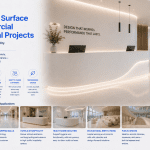
Акриловые материалы с твердой поверхностью обычно предпочитаются в интерьерах гостиничного бизнеса, медицинских учреждениях, общественных архитектурных системах, оздоровительных помещениях и индивидуальных коммерческих производственных объектах, где приоритет отдается бесшовной интеграции и гибкости дизайна.
Оба материала могут подойти для жилых и коммерческих проектов в зависимости от приоритетов проектирования, требований к изготовлению и условий долгосрочного применения.
Гибкость архитектурного дизайна
В современных архитектурных интерьерах все чаще подчеркивается бесшовная непрерывность материалов, скульптурная геометрия, интегрированные системы освещения и индивидуальное изготовление.
Твердая акриловая поверхность поддерживает эти направления дизайна благодаря бесшовным соединениям, возможности термоформования, изготовлению интегрированных раковин и гибкой обработке с ЧПУ.
Поверхности из спеченного камня часто выбирают для проектов, в которых приоритет отдается эстетике твердого камня, визуальному виду больших плит и сверхкомпактным характеристикам керамической поверхности.
Обзор сравнения
| Категория | Акриловая твердая поверхность | Спеченный камень |
|---|---|---|
| Возможность бесшовной поверхности | Отличный | Умеренный |
| Термоформование | Да | Нет |
| Ремонтопригодность | Возобновляемый | Ограниченный |
| Изогнутая геометрия | Отличный | Ограниченный |
| Интегрированные системы мойки | Отличный | Ограниченный |
| Приложения для здравоохранения | Отличный | Умеренный |
| Гибкость коммерческого производства | Отличный | Умеренный |
| Теплостойкость | Умеренный | Отличный |
| Устойчивость к ультрафиолетовому излучению | Умеренный | Отличный |
| Внешняя пригодность | Ограниченный | Сильный |
Какой материал подходит для разных типов проектов?
При выборе материала всегда следует учитывать приоритеты проекта, условия изготовления, замысел конструкции, воздействие на окружающую среду, ожидания в отношении технического обслуживания и требования к долгосрочному применению.
Спеченный камень может хорошо сочетаться с проектами, в которых приоритет отдается сверхвысокой термостойкости, устойчивости к ультрафиолетовому излучению, эстетике жесткого камня и наружным архитектурным применениям.
Акриловые материалы с твердой поверхностью могут обеспечить преимущества для проектов, требующих бесшовного изготовления, термоформованной геометрии, интегрированных систем раковин, применения в здравоохранении, интерьеров гостиничного бизнеса и изготовления коммерческих архитектурных решений по индивидуальному заказу.
Часто задаваемые вопросы
В чем разница между акриловой твердой поверхностью и спеченным камнем?
Твердая акриловая поверхность подчеркивает бесшовность изготовления, гибкость термоформования и ремонтопригодность, в то время как спеченный камень известен своей сверхвысокой термостойкостью, устойчивостью к ультрафиолетовому излучению и жесткостью поверхности, напоминающей камень.
Можно ли подвергнуть термоформованию акриловую твердую поверхность?
Да. Твердую акриловую поверхность можно нагревать и придавать ей изогнутую геометрию и скульптурные архитектурные формы.
Является ли спеченный камень более термостойким, чем акриловая твердая поверхность?
Да. Спеченный камень обычно обеспечивает более высокую термостойкость благодаря своему ультракомпактному составу на основе керамики.
Какой материал лучше подходит для бесшовных архитектурных поверхностей?
Акриловая твердая поверхность, как правило, лучше подходит для бесшовного архитектурного изготовления и интегрированных систем поверхностей.
Какой материал лучше подходит для проектов в сфере здравоохранения и гостиничного бизнеса?
Акриловая твердая поверхность широко используется в сфере здравоохранения и гостиничного бизнеса благодаря возможности бесшовного изготовления и интегрированным гигиеническим системам поверхности.
Заключение
Акриловая твердая поверхность и спеченный камень являются важными современными архитектурными отделочными материалами, но они служат различным производственным системам и приоритетам проекта.
Поверхности из спеченного камня часто предпочитаются для проектов, в которых приоритет отдается сверхвысокой термостойкости, устойчивости к ультрафиолетовому излучению и эстетике жесткого камня, в то время как акриловые материалы с твердой поверхностью обеспечивают преимущества в бесшовном производстве, гибкости термоформования, применениях в здравоохранении и индивидуальных коммерческих архитектурных системах.
Поскольку современная архитектура все больше подчеркивает интегрированную непрерывность материалов, изготовление по индивидуальному заказу и скульптурные коммерческие интерьеры, акриловая твердая поверхность продолжает играть важную роль в сфере гостиничного бизнеса, здравоохранения, общественного и архитектурного применения.