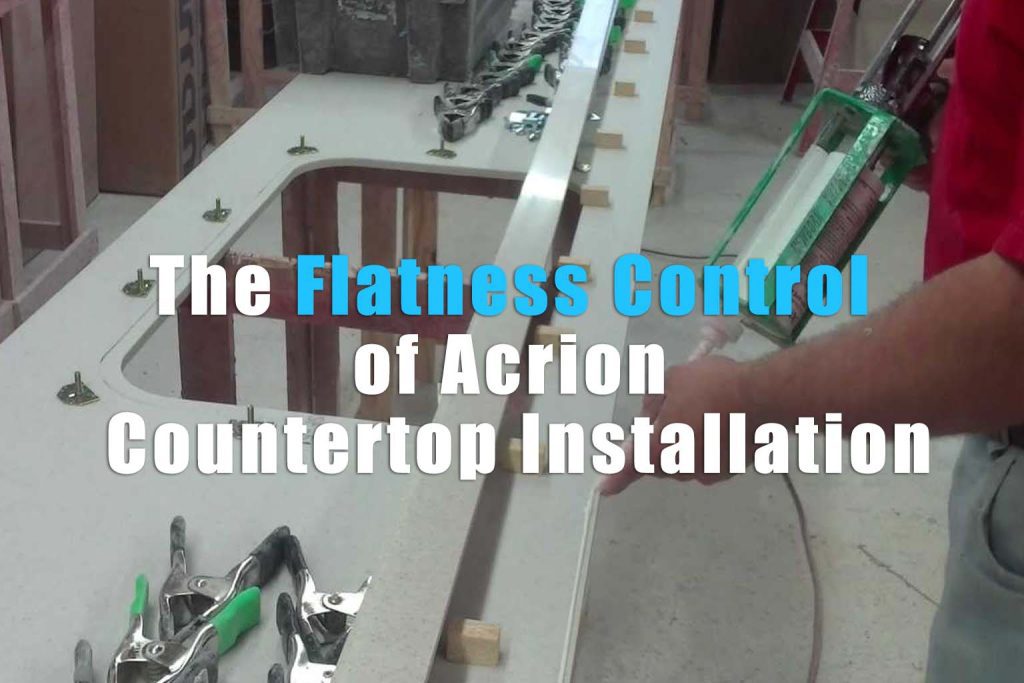
Surface flatness is one of the most important indicators of professional acrylic solid surface installation quality. Even when premium material and accurate fabrication are used, poor flatness control can compromise aesthetics, functionality, and long-term performance.
For architects, fabricators, contractors, and commercial project teams, flatness inspection should be treated as a core quality assurance requirement rather than a cosmetic afterthought.
Why Flatness Matters in Solid Surface Installations
Acrylic solid surface is valued for seamless appearance, hygienic performance, repairability, and fabrication flexibility. However, these advantages depend heavily on installation quality.
Poor flatness may result in:
- Visible seam ridges
- Water pooling in wet applications
- Uneven reflection under lighting
- Poor drainage performance
- Long-span visual sagging
- Reduced perceived workmanship quality
Flatness vs Levelness: Understanding the Difference
Flatness and levelness are related but not identical engineering concepts.
- Flatness refers to how even and smooth the installed surface is.
- Levelness refers to how the surface aligns relative to a horizontal reference.
A surface may be level but not perfectly flat, or flat but intentionally sloped for drainage in wet-area applications.
1. Seam Flatness Control
Seam transitions are among the most visually sensitive areas in acrylic solid surface installations.
Inspection should verify:
- Smooth surface transitions
- No noticeable height difference
- Consistent finish texture
- No ridge effect under directional light
Seam flatness strongly influences the perceived quality of seamless fabrication.
2. Support Preparation and Surface Stability
Installed flatness depends heavily on support preparation.
Quality review should include:
- Stable cabinet or structural support
- Consistent support contact
- No unsupported stress zones
- Substrate alignment consistency
Poor support preparation may create visible unevenness even when fabrication is accurate.
3. Long-Span Flatness Performance
Long fabricated surfaces are more sensitive to flatness deviation and visual movement.
Common applications include:
- Reception counters
- Commercial worktops
- Hospitality service counters
- Custom furniture assemblies
Support engineering should account for long-span load behavior.
4. Wet-Area Functional Performance
In vanity systems, integrated sinks, and hygiene applications, flatness directly affects functionality.
Potential issues include:
- Water retention
- Drainage inefficiency
- Cleaning difficulty
- Hygiene concerns
Flatness inspection should always consider project function, not appearance alone.
5. Visual Quality Inspection
Professional flatness inspection should combine measurement and visual evaluation.
- Surface sightline inspection
- Reflective light review
- Touch inspection at seams
- Functional drainage verification where applicable
6. Common Causes of Flatness Problems
- Uneven support preparation
- Poor seam execution
- Long-span structural deflection
- Installation fit stress
- Substrate inconsistency
- Improper correction during installation
Quick Flatness Inspection Checklist
| Inspection Area | Quality Focus |
|---|---|
| Seams | Smooth transition consistency |
| Support | Stable structural base |
| Long spans | Deflection control |
| Wet areas | Drainage functionality |
| Surface finish | Visual reflection consistency |
Applications Where Flatness Matters Most
- Reception counters
- Healthcare worktops
- Hotel vanity systems
- Integrated sink installations
- Retail counters
- Architectural fabricated assemblies
FAQ
Is flatness the same as levelness?
No. Flatness describes surface evenness, while levelness refers to horizontal alignment.
Why do some seams feel uneven?
Common causes include poor seam finishing, uneven support, or installation stress.
Can flatness affect drainage?
Yes. In wet applications, poor flatness can create water retention and hygiene issues.
Final Thoughts
Professional acrylic solid surface installations depend on disciplined flatness control, stable support engineering, and high-quality fabrication execution.
ACRION develops architectural solid surface materials engineered for seamless fabrication, functional performance, and demanding commercial project applications.