Acrion® Acrylic Solid Surface

Acrion Logo, acrylic solid surface, pure solid surface sheet, world top brand solid surface manufacturer by Acrion solid surface China factory

What Is Acrylic Solid Surface?

Acrylic solid surface is a seamless, non-porous, and thermoformable material composed primarily of acrylic resin and natural minerals. It is widely used in architectural, healthcare, hospitality, and commercial interiors.

113+

Articles

In-depth guides and resources.

7

Knowledge Hubs

Explore key topics in solid surface.

20+

Technical Guides

Standards, testing and technical knowledge.

10+

Application Areas

From healthcare to hospitality and beyond.

Understand Acrylic Solid Surface

Acrylic solid surface is a man-made combines acrylic resin with natural minerals to exceptional performance and design flexibility.

It features a smooth, seamless appearance, is non-porous, easy to clean, and can be repaired and thermoformed into almost any shape. These qualities make it a prefered choice for architects, designers, and fabricatiors around the world.

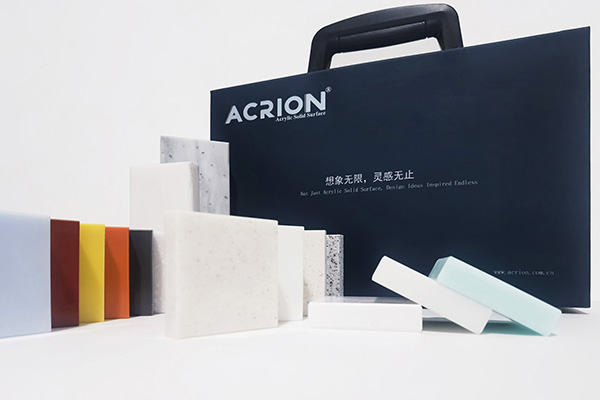
Acrylic solid surface sample kit with color chips and material samples for evaluation

Explore Related Topics

Understanding the basics of acrylic solid surface.

Learn about hygiene, durability, resistance and performance.

Applications

24 Articles

Discover how solid surface is used in various environments.

Step-bystep guides for fabrication and installation.

Explore test methods, standards and certifications.

Compare solid surface with other materials and brands

Frequently Asked Questions

Acrylic solid surface is a non-porous, seamless and repairable surfacing material made from acrylic resin and natural mineral fillers. It is widely used in healthcare, hospitality, commercial and residential environments.

Pure acrylic solid surface contains a higher percentage of premium acrylic resin, offering better thermoforming, color consistency and long-term durability. Modified acrylic solid surface is typically more economical but may provide lower fabrication flexibility.

Yes. Acrylic solid surface is non-porous and water-resistant. Unlike natural stone, it does not absorb moisture, making it suitable for wet environments such as bathrooms, healthcare facilities and laboratory worktops.

Yes. Its non-porous surface prevents the growth of mold, bacteria and mildew when properly cleaned, making it a preferred material for healthcare and food-service applications.

Yes. One of the key advantages of solid surface is repairability. Minor scratches, stains and surface damage can often be restored through sanding and refinishing without replacing the entire surface.

Yes. Acrylic solid surface can be heated and formed into curved shapes, allowing designers to create seamless reception counters, wall features, furniture and custom architectural elements.

Most acrylic solid surface materials achieve recognized fire performance standards such as ASTM E84 Class A or EN 13501 classifications when tested according to applicable standards.

Solid surface can be used in certain semi-outdoor applications. However, long-term outdoor performance depends on color selection, UV exposure and environmental conditions.

Solid surface offers seamless joints, thermoforming capability and repairability, while quartz generally provides higher scratch resistance but cannot be thermoformed and typically has visible joints.

Solid surface is repairable, thermoformable and seamless, whereas sintered stone provides excellent heat and scratch resistance but has limited repairability and fabrication flexibility.

Typical applications include:

  • Healthcare interiors
  • Reception counters
  • Hotel and hospitality projects
  • Laboratory environments
  • Retail spaces
  • Educational facilities
  • Residential kitchens and bathrooms

With proper fabrication and maintenance, high-quality acrylic solid surface can provide decades of service life while maintaining its appearance and performance.

Daily cleaning generally requires only mild soap and water or non-abrasive household cleaners. Routine maintenance helps preserve the material’s appearance.

Many solid surface products can be repaired, refinished and maintained over a long service life, reducing replacement frequency and contributing to lifecycle sustainability.

Architects often specify acrylic solid surface because it combines:

  • Seamless appearance
  • Hygienic performance
  • Design flexibility
  • Thermoforming capability
  • Repairability
  • Long-term durability

for demanding architectural and commercial projects.

Looking for Architectural Solid Surface Solutions?

Explore ACRION materials, fabrication, capabilities and project applications.

X

Order Sample

Order a free Acrion® sample to experience texture and detail firsthand. Most samples are free (98%), and delivery is fast and hassle‑free. Validate your design vision with confidence.

Acrion solid surface color swatch box

Note: Your information stays secure and confidential with us.