Feste Acryloberflächen werden häufig in Innenräumen im Gesundheitswesen, im Gastgewerbe, in Einzelhandelseinrichtungen, in gewerblichen Waschraumsystemen und bei der kundenspezifischen Architekturfertigung eingesetzt. Eine häufig von Architekten und Projektkäufern gestellte praktische Frage lautet: Wie lange hält eine feste Acryloberfläche?
Die Antwort hängt von den Anwendungsbedingungen, der Wartung, der Fertigungsqualität und der Materialformulierung ab. Einer der größten Vorteile von Acryl-Feststoffoberflächen ist jedoch die langfristige Leistung im erneuerbaren Lebenszyklus.
Im Gegensatz zu vielen dekorativen Oberflächenmaterialien, die bei Beschädigung dauerhaft verfallen, kann feste Acryloberfläche oft professionell wiederhergestellt werden.
Was bedeutet Alterung für feste Acryloberflächen?
Altern bedeutet nicht einfach strukturelles Versagen. Bei Oberflächenmaterialien kann sich Alterung auf verschiedene langfristige Leistungsänderungen beziehen.
- Oberflächenverschleiß
- Glanzreduzierung
- Kratzeransammlung
- UV-bedingte Farbveränderung
- thermische Stresseffekte
- Auswirkungen chemischer Exposition
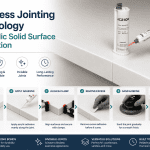
- Gelenkalterung im Laufe der Zeit
Um die Alterungsbeständigkeit zu bewerten, muss man verstehen, wie sich das Material während seiner gesamten praktischen Lebensdauer verhält.
Wie lange hält die feste Acryloberfläche?
Bei richtiger Spezifikation, professioneller Herstellung und ordnungsgemäßer Wartung kann Acryl-Mineraloberfläche viele Jahre lang zuverlässige Dienste in gewerblichen und architektonischen Umgebungen leisten.
Die tatsächliche Lebensdauer hängt ab von:
- Materialqualität
- reines Acryl vs. modifizierte Acrylformulierung
- Anwendungstyp
- Verkehrsintensität
- Auswahl der Oberflächenbeschaffenheit
- Farbwahl
- Wartungspraktiken
- Fertigungsqualität
Anstatt sich auf eine feste „Jahre“-Angabe zu konzentrieren, sollte die Lebenszyklusleistung auf der Grundlage praktischer Erneuerbarkeit und Wartbarkeit bewertet werden.
UV- und Farbalterung
Wie die meisten technischen Materialien kann es bei Acryl-Oberflächen bei langfristiger UV-Einwirkung zu Veränderungen im Aussehen kommen.
Mögliche Auswirkungen können sein:
- Fading
- Vergilbung
- ungleichmäßige visuelle Alterung
- Oberflächentonverschiebung
Die Leistung hängt von der Qualität der Formulierung, der Pigmentstabilität und den Umgebungsbedingungen ab.
Reine Acryl-Feststoffoberflächen bieten im Allgemeinen eine bessere langfristige Farbstabilität im Vergleich zu minderwertigen modifizierten Formulierungen.
Verschleiß und Oberflächenalterung
In der Praxis ist die tägliche Abnutzung oft die sichtbarste Form der Alterung.
Beispiele hierfür sind:
- Mikrokratzer
- Glanzverlust
- Berührungspunktverschleiß
- stumpfe Bereiche mit hohem Kontakt
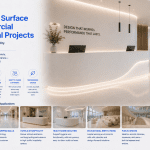
Dies ist besonders relevant in gewerblichen Umgebungen wie Empfangstheken, Arbeitsplatten im Gesundheitswesen und Einzelhandelsflächen.
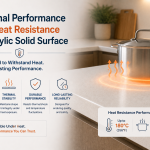
Thermische und chemische Alterung
Die Langzeitleistung kann auch durch wiederholte thermische oder chemische Einwirkung beeinträchtigt werden.
Zu den relevanten Bedingungen gehören:
- heiße Gegenstände
- Temperaturwechsel
- aggressive Reinigungschemikalien
- Desinfektionsmittelexposition
- unsachgemäße chemische Wartung
Die richtige Nutzung und Wartung verbessert die Lebenszyklusleistung erheblich.
Alterungsverhalten von reinem Acryl im Vergleich zu modifiziertem Acryl
| Leistungsfaktor | Reines Acryl | Modifiziertes Acryl |
|---|---|---|
| UV-Stabilität | Besser | Variiert |
| Farbstabilität | Exzellent | Mäßig bis gut |
| Erneuerbarkeit | Exzellent | Gut |
| Gelenkstabilität | Besser | Anwendungsabhängig |
Die Materialformulierung hat einen erheblichen Einfluss auf die langfristige Leistung.
Der Vorteil des erneuerbaren Lebenszyklus
Dies ist einer der größten Unterschiede zwischen Acryl-Mineraloberflächen und vielen Konkurrenzmaterialien.
Im Gegensatz zu Materialien, bei denen die Oberflächenbeschädigung dauerhaft ist, kann die feste Acryloberfläche häufig durch Nacharbeiten erneuert werden.
- Kratzer können repariert werden
- matte Oberflächen können aufgefrischt werden
- Lokale Schäden können korrigiert werden
- Aussehen Leben kann verlängert werden
Diese erneuerbare Leistung macht feste Acryloberflächen für lebenszyklusorientierte kommerzielle Projekte äußerst attraktiv.
Acryl-Feststoffoberfläche vs. Quarz: Vergleich des langfristigen Lebenszyklus
| Faktor | Feste Acryloberfläche | Quarz |
|---|---|---|
| Reparierbarkeit | Exzellent | Beschränkt |
| Nahtintegration | Nahezu nahtlos | Sichtbare Nähte |
| Erneuerbarkeit | Exzellent | Niedrig |
| Wiederherstellung des Aussehens | Möglich | Beschränkt |
FAQ
Wie lange hält eine feste Acryloberfläche?
Bei richtiger Spezifikation, Herstellung und Wartung kann Acryl-Feststoffoberfläche eine langfristige kommerzielle Leistungsfähigkeit bieten.
Vergilbt feste Acryloberfläche mit der Zeit?
Möglicherweise unter langfristiger UV-Belastung, je nach Formulierung und Umgebungsbedingungen.
Kann eine gealterte feste Acryloberfläche wiederhergestellt werden?
Ja. Dies ist einer der größten Lebenszyklusvorteile des Materials.
Ist feste Acryloberfläche für den gewerblichen Einsatz haltbar?
Ja, insbesondere wenn die Erneuerbarkeit des Lebenszyklus und die Wartbarkeit berücksichtigt werden.
Sprechen Sie mit ACRION über lebenszyklusorientierte architektonische Solid-Surface-Lösungen
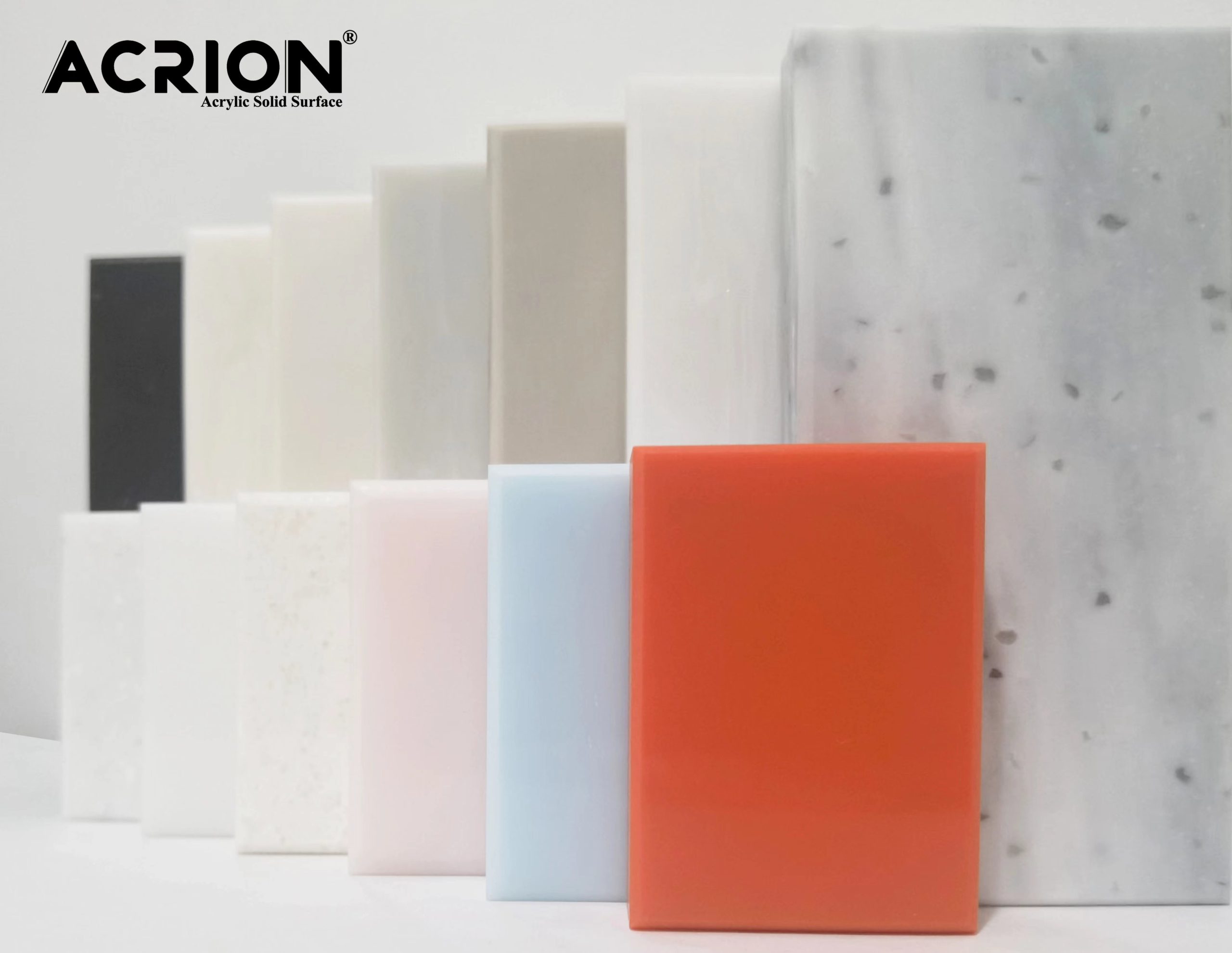
ACRION fertigt feste Acryloberflächen in Architekturqualität für das Gesundheitswesen, das Gastgewerbe, den Einzelhandel, gewerbliche Innenräume und Fertigungspartnerschaften weltweit.
Wenn Ihr Projekt langlebige, wartbare und lebenszyklusorientierte Oberflächenlösungen erfordert, steht Ihnen unser technisches Team gerne bei Ihrer Bewertung zur Seite.