Feste Acryloberflächen sind weithin für ihre langfristige Reparaturfähigkeit und erneuerbare Oberflächenleistung bekannt. Im Gegensatz zu vielen herkömmlichen Dekorationsmaterialien kann die feste Acryloberfläche häufig auch dann wiederhergestellt werden, wenn Kratzer, Flecken oder lokale Hitzeschäden aufgetreten sind.
In gewerblichen Innenräumen, im Gastgewerbe, in Gesundheitseinrichtungen und bei Wohnprojekten kann es gelegentlich zu unbeabsichtigten Brandflecken kommen, die durch direkten Kontakt mit heißem Kochgeschirr, wärmeerzeugenden Geräten, Zigaretten oder übermäßiger Hitzeeinwirkung entstehen. Das Verständnis der richtigen Reparaturmethoden ist für die Aufrechterhaltung des Aussehens und der Leistung von Installationen aus Acryl-Mineraloberflächen von entscheidender Bedeutung.
Warum feste Acryloberflächen reparierbar sind
Einer der großen Vorteile von Acryl-Mineralwerkstoff ist seine homogene Materialstruktur. Im Gegensatz zu laminierten oder beschichteten Oberflächen handelt es sich bei der festen Acryloberfläche um ein vollflächiges Material ohne dekorative Oberflächenschicht, die sich ablösen oder delaminieren kann.
Aufgrund dieser erneuerbaren Oberflächenstruktur können viele Arten von Oberflächenschäden durch Schleifen, Nachbearbeiten oder lokale Herstellungsverfahren repariert werden, anstatt einen vollständigen Austausch zu erfordern.
Diese Eigenschaft der Reparierbarkeit ist einer der Hauptgründe, warum feste Acryloberflächen häufig für gewerbliche und architektonische Anwendungen eingesetzt werden, die eine langfristige Wartungsleistung erfordern.
Häufige Ursachen für Brandflecken auf festen Acryloberflächen
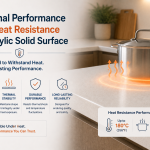
Although acrylic solid surface offers excellent durability for interior applications, prolonged exposure to excessive heat may still cause localized surface damage.
- Direct placement of hot cookware
- Heat-producing kitchen appliances
- Cigarette burns
- Localized thermal concentration
- Open flame exposure
- Improper use of heating equipment during fabrication
Most minor surface burns affect only the upper surface layer and can often be repaired using professional refinishing methods.
Different Levels of Heat Damage
The repair method depends on the severity of the thermal damage.
- Light discoloration: minor surface color change without deformation
- Shallow burn marks: localized surface damage with slight texture change
- Deep thermal damage: visible deformation or material charring
- Structural damage: severe heat exposure affecting seams or fabrication joints
Professional assessment is recommended for deep burns or structural damage affecting seams and thermoformed areas.
Professional Surface Refinishing Process
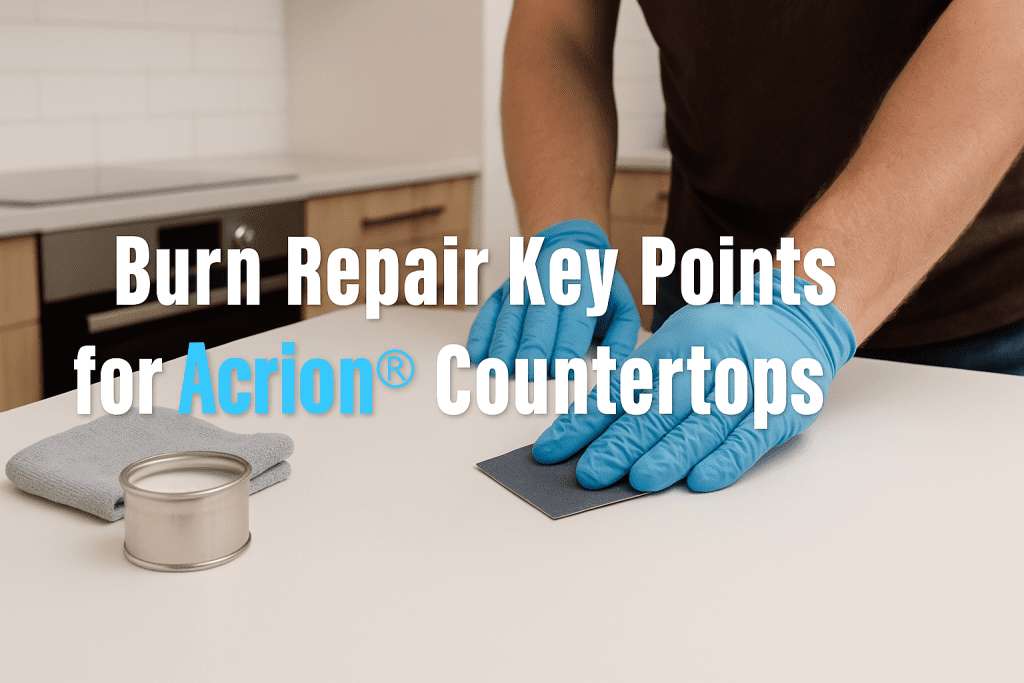
Most light or moderate burn marks can be repaired through controlled sanding and surface refinishing procedures.
- Clean the affected surface area thoroughly
- Use progressive abrasive sanding techniques
- Maintain consistent sanding direction and pressure
- Restore the original surface finish level
- Perform final surface blending and polishing
Professional fabricators typically use orbital sanding systems and multi-stage abrasive sequences to restore a consistent surface appearance.
For matte and satin finishes, localized refinishing is usually easier and less visually noticeable than high-gloss surfaces.
When Localized Section Repair May Be Required
If the burn damage penetrates deeply into the material or causes severe thermal deformation, simple surface sanding may not be sufficient.
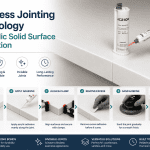
In such cases, professional fabricators may perform localized section replacement or seamless repair procedures using matching acrylic solid surface material and adhesive systems.
This type of fabrication-based repair is another important advantage of acrylic solid surface compared with many non-repairable decorative materials.
Surface Finish Considerations During Repair
Different surface finishes require different refinishing approaches during burn repair procedures.
- Matte finish: easiest to restore and blend
- Satin finish: balanced repairability and appearance
- Gloss finish: requires more advanced polishing techniques to minimize visual inconsistencies
For commercial projects with heavy daily use, matte or satin finishes are often preferred because they provide better long-term maintenance performance and easier surface restoration.
Preventing Future Heat Damage
Although acrylic solid surface is repairable, proper usage practices are still recommended to minimize the risk of heat-related damage.
- Use heat pads or trivets under hot cookware
- Avoid direct flame contact
- Do not place high-temperature appliances directly on the surface
- Use cutting boards during food preparation
- Follow professional fabrication temperature guidelines
Why Repairability Is Important for Commercial Architectural Projects
In hospitality, healthcare, retail, and public interior projects, surface materials are expected to maintain appearance and performance over many years of continuous use.
The renewable and repairable characteristics of acrylic solid surface help reduce long-term replacement costs and extend the usable lifecycle of commercial interior installations.
Unlike many decorative surface materials that require complete replacement after damage, acrylic solid surface often allows localized restoration while preserving the original seamless appearance.
Architectural Solid Surface Designed for Long-Term Performance
From commercial reception counters and hospitality interiors to healthcare worktops and public washroom systems, acrylic solid surface continues to provide architects, developers, and fabricators with a durable and maintainable surfacing solution.
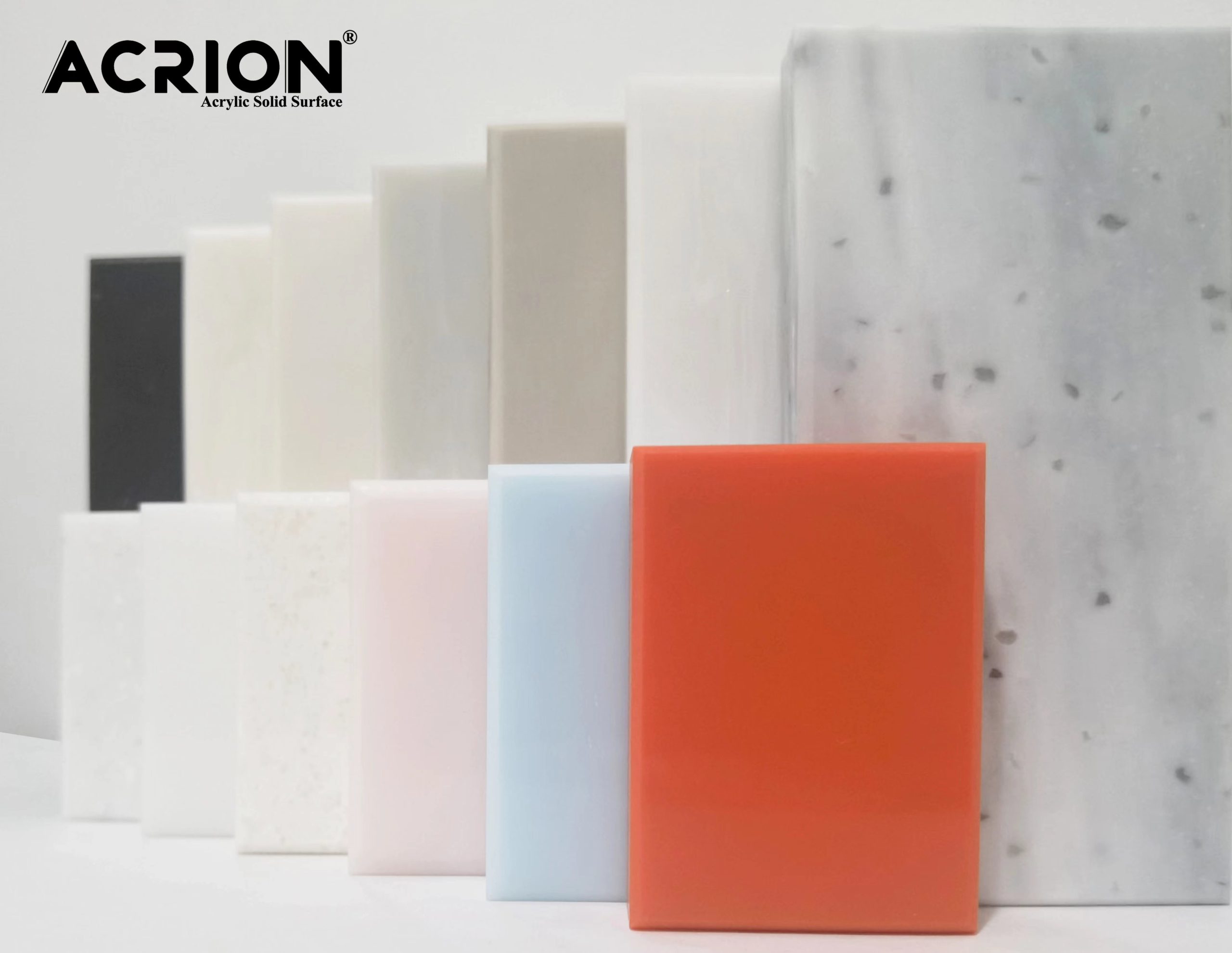
At ACRION, we focus on developing architectural solid surface materials engineered for seamless fabrication, long-term repairability, and commercial interior applications worldwide.