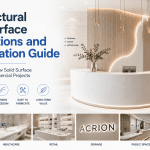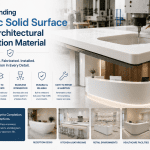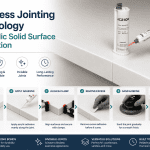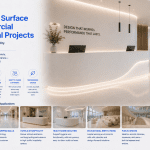
Acryl-Feststoffoberfläche ist eines der vielseitigsten architektonischen Oberflächenmaterialien, die in modernen Innen- und Gewerbeprojekten verwendet werden. Aufgrund seiner nahtlosen Herstellungsfähigkeit, porenfreien Struktur, Thermoformungsflexibilität und erneuerbaren Oberflächenleistung wird Acryl-Feststoffoberfläche häufig im Gesundheitswesen, im Gastgewerbe, im Wohn-, Einzelhandels- und Gewerbebereich eingesetzt.
Im Gegensatz zu vielen herkömmlichen Arbeitsplatten- und Oberflächenmaterialien ist Acryl-Mineraloberfläche nicht nur ein Materialprodukt, sondern auch ein komplettes Fertigungssystem. Es kann nahtlos verbunden, CNC-bearbeitet, thermogeformt, in Waschbecken und Beleuchtungssysteme integriert und in maßgeschneiderte architektonische Formen für Wohn- und Gewerbeanwendungen gefertigt werden.
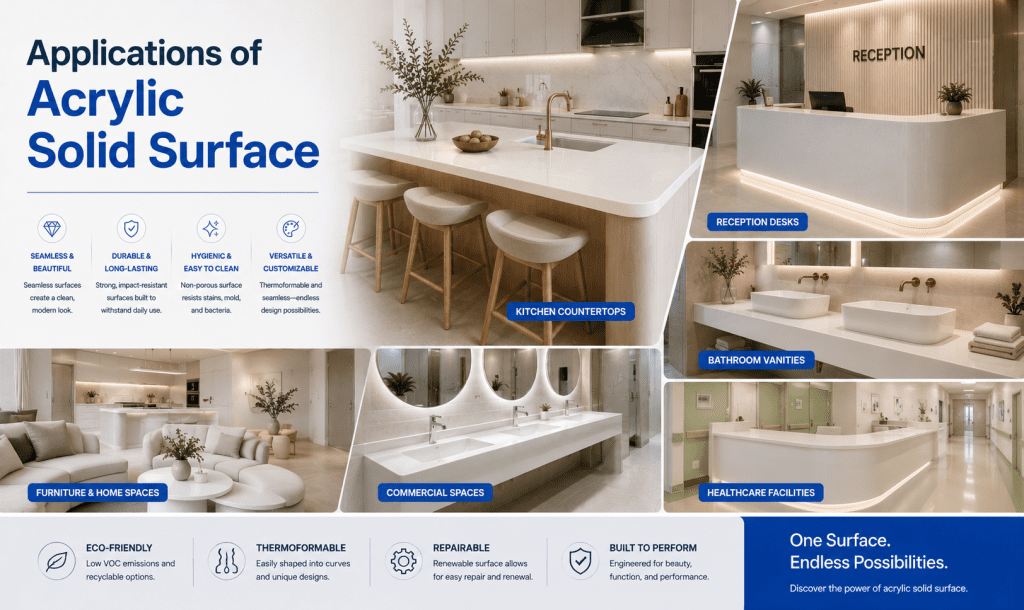
Von großen, nahtlosen Kücheninseln bis hin zu Waschplätzen im Gesundheitswesen und Empfangstresen – Acryl-Mineraloberflächen unterstützen moderne Architekturprojekte, die sowohl funktionale Leistung als auch visuelle Kontinuität erfordern.
Was ist eine feste Acryloberfläche?
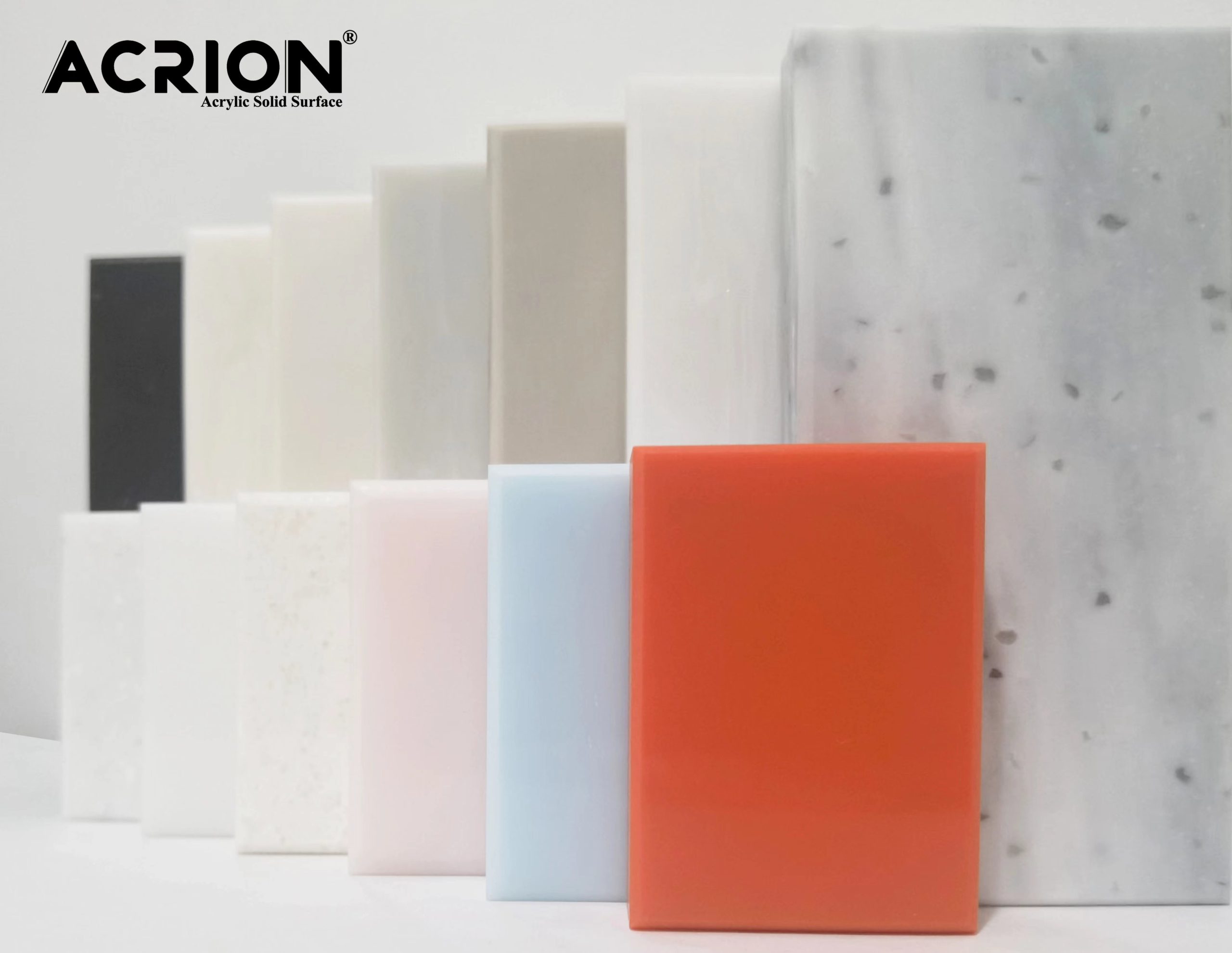
Acryl-Feststoffoberfläche ist ein nicht poröses Oberflächenmaterial, das üblicherweise aus Acrylharz und Aluminiumhydroxid-Füllstoffen hergestellt wird. Das Material wird häufig für Arbeitsplatten, Wandverkleidungen, integrierte Waschbecken, Gewerbetheken und maßgeschneiderte Innenarchitekturprojekte verwendet.
Seine nahtlose Fertigungsfähigkeit und die Flexibilität beim Thermoformen ermöglichen es Designern und Herstellern, kontinuierliche Oberflächen, geschwungene Geometrien, integrierte Spülensysteme und maßgeschneiderte architektonische Details zu schaffen, die mit vielen herkömmlichen Materialien nur schwer zu erreichen sind.
Kernvorteile von Acryl-Feststoffoberflächen
- Nahtlose Verbindungsherstellung
- Porenfreie Oberflächenstruktur
- Flexibilität beim Thermoformen
- Integrierte Spülenfertigung
- Erneuerbare und reparierbare Oberflächen
- CNC-Fertigungskompatibilität
- Individuelle Möglichkeiten zur Kantenveredelung
- Großformatige durchgehende Flächen
- Matt- und Mattglanz-Finish-Optionen
- Flexibilität bei der architektonischen Gestaltung
Gesundheits- und Hygieneanwendungen
Im Gesundheitswesen sind Oberflächenmaterialien erforderlich, die eine hygienische Wartung, eine nahtlose Fertigung und eine langfristige Haltbarkeit gewährleisten. Acryl-Feststoffoberflächen werden aufgrund ihrer porenfreien Struktur und integrierten Fertigungsmöglichkeiten häufig in Krankenhäusern, Kliniken, Labors, Waschstationen, Apotheken und medizinischen Empfangsbereichen eingesetzt.
Integrierte Spülen, gewölbte Rückwände und nahtlose Übergänge zur Arbeitsplatte tragen dazu bei, routinemäßige Reinigungsvorgänge zu vereinfachen und gleichzeitig sichtbare Fugen und feuchtigkeitsanfällige Lücken zu reduzieren. Aufgrund dieser Eigenschaften eignet sich Acryl-Solid Surface für viele Innenanwendungen im Gesundheitswesen, die eine sauberere visuelle Kontinuität und eine einfachere Wartung erfordern.
Zu den gängigen Anwendungen im Gesundheitswesen gehören:
- Empfangstheken im Krankenhaus
- Schwesternstationen
- Integrierte medizinische Waschbecken
- Laborarbeitsplatten
- Waschstationen im Gesundheitswesen
- Auflageflächen für Reinräume
- Klinische Arbeitsplatten
Innenanwendungen im Gastgewerbe und im gewerblichen Bereich
Hotels, Cafés, Restaurants, Bars, Schönheitssalons und gewerbliche Empfangsbereiche nutzen zunehmend feste Acryloberflächen für maßgeschneiderte Arbeitsplattensysteme und integrierte architektonische Innenräume.
Da das Material eine nahtlose Fertigung und Thermoformung unterstützt, können Designer geschwungene Empfangstheken, integrierte Bartheken, Arbeitsplatten für das Gastgewerbe und durchgehende Serviceflächen mit klarerer optischer Konsistenz entwerfen.
Matte Oberflächen, integrierte Beleuchtungssysteme und maßgeschneiderte Kantenanfertigungen unterstützen moderne Innenräume im Gastgewerbe, bei denen minimalistische Materialpaletten und architektonische Kontinuität im Vordergrund stehen.
Zu den gängigen Anwendungen im Gastgewerbe gehören:
- Empfangstresen für Hotels
- Arbeitsplatten für Restaurants
- Bar-Arbeitsplatten
- Café-Theken
- Waschplätze für Schönheitssalons
- Kassentheken im Einzelhandel
- Kommerzielle Serviceschalter
Anwendungen für Küchen- und Wohnarbeitsplatten
Aufgrund seines nahtlosen Aussehens, der erneuerbaren Oberflächenleistung und der individuellen Fertigungsflexibilität wird Acryl-Feststoffoberfläche häufig in Wohnküchen verwendet.
Moderne Küchen bevorzugen zunehmend große Kücheninseln, integrierte Spülsysteme, Arbeitsplatten mit Wasserfallkante und offene Grundrisse, die eine klarere visuelle Kontinuität über mehrere Wohnbereiche hinweg erfordern.
Die Herstellung nahtloser Verbindungen trägt dazu bei, visuelle Unterbrechungen zu reduzieren und unterstützt gleichzeitig minimalistische Wohnräume mit geringerem visuellem Rauschen und kontinuierlicheren Oberflächenübergängen.
Zu den gängigen Wohnanwendungen gehören:
- Kücheninsel-Arbeitsplatten
- Integrierte Küchenspülen
- Kompakte Wohnungsarbeitsplatten
- Arbeitsplatten für die Waschküche
- Frühstückstheken
- Esszimmer-Arbeitsplattensysteme
- Schwebende Arbeitsplatten-Layouts
Anwendungen im Badezimmer und im Nassbereich
Badezimmer und Versorgungsbereiche erfordern Arbeitsplattenmaterialien, die Feuchtigkeitsbeständigkeit, eine nahtlose Integration des Waschbeckens und vereinfachte Wartungsverfahren unterstützen.
Aufgrund der porenfreien Oberflächenstruktur und der individuellen Fertigungsmöglichkeiten wird Acryl-Feststoffoberfläche häufig in Badezimmerwaschtischen, integrierten Waschbecken, Arbeitsplatten für Hauswirtschaftsräume, Duschwandsystemen und Waschbereichen verwendet.
Integrierte Beckenfertigung und nahtlose Rückwandsysteme tragen dazu bei, saubere Übergänge in Nassbereichen zu schaffen und unterstützen gleichzeitig das moderne, minimalistische Badezimmerdesign.
Zu den gängigen Badezimmeranwendungen gehören:
- Waschtischplatten für Badezimmer
- Integrierte Waschbecken
- Arbeitsplatten für Hauswirtschaftsräume
- Duschwandverkleidung
- Hotelbadezimmeroberflächen
- Arbeitsplatten für die Waschküche
Einzelhandels- und Empfangsthekensysteme
Einzelhandelsumgebungen erfordern oft maßgeschneiderte Theken, Displaysysteme, integrierte Branding-Elemente und Oberflächen für die Kundeninteraktion. Die feste Acryloberfläche unterstützt CNC-Fertigung, Thermoformen, integrierte Beleuchtungssysteme und kundenspezifische kommerzielle Details.
Seine Fertigungsflexibilität ermöglicht es Designern und Herstellern im Einzelhandel, geschwungene Theken, nahtlose Kassenstationen, Marken-Empfangstheken und maßgeschneiderte Ausstellungssysteme für moderne gewerbliche Innenräume zu schaffen.
Zu den gängigen Einzelhandelsanwendungen gehören:
- Empfangstheken
- Kassentheken im Einzelhandel
- Anzeigesysteme
- Markenerlebniszähler
- Kommerzielle Informationsschalter
- Ausstellungsflächen
Wandverkleidungen und Anwendungen für architektonische Elemente
Acryl-Feststoffoberflächen werden zunehmend in Wandverkleidungssysteme, architektonische Akzentwände, integrierte Möbelsysteme und maßgeschneiderte Innendetails integriert.
Die Thermoformbarkeit ermöglicht die Verarbeitung des Materials zu gekrümmten Wandsystemen und durchgehenden architektonischen Oberflächen, die skulpturalere und integriertere Innenumgebungen unterstützen.
Nahtlose Installationsmöglichkeiten tragen auch dazu bei, die visuelle Kontinuität auf großformatigen Architekturoberflächen aufrechtzuerhalten.
Zu den gängigen Architekturanwendungen gehören:
- Besondere Wände
- Wandverkleidungssysteme
- Integrierte Möbelelemente
- Architektonische Säulenverkleidung
- Gebogene Wandsysteme
- Von hinten beleuchtete Funktionsinstallationen
Maßgeschneiderte Möbel und integrierte Designlösungen
Die Herstellung kundenspezifischer Möbel ist zu einem immer wichtigeren Anwendungsbereich für Acryl-Mineraloberflächen geworden. Das Material unterstützt individuelle Geometrie, integrierte Fertigungsdetails, nahtlose Kantenübergänge und kontinuierliche Oberflächensysteme.
Tische, schwebende Regale, maßgefertigte Bänke, integrierte Sitzsysteme und skulpturale Möbelelemente können alle mit Acryl-Mineraloberflächen-Fertigungstechniken hergestellt werden.
Durch die Kombination aus Fertigungsflexibilität und erneuerbarer Oberflächenleistung eignet es sich für maßgeschneiderte architektonische Möbelprojekte.
Warum Designer und Hersteller sich für Acryl-Mineraloberflächen entscheiden
Im Vergleich zu vielen herkömmlichen Oberflächenmaterialien bietet feste Acryloberfläche eine größere Flexibilität bei der Herstellung individueller Architektur- und Innenarchitekturprojekte.
Das Material kann sein:
- CNC bearbeitet
- Thermogeformt in gebogene Geometrie
- Nahtlos verbunden
- Geschliffen und nachbearbeitet
- Integriert in Waschbecken und Beleuchtungssysteme
- Zu großen, durchgehenden Flächen verarbeitet
- Maßgeschneidert mit komplexen Kantendetails
Diese Flexibilität ermöglicht es Designern und Herstellern, sauberere architektonische Oberflächen, integrierte Raumsysteme und maßgeschneiderte gewerbliche Innenräume mit größerer Gestaltungsfreiheit zu schaffen.
Acryl-Feststoffoberfläche im Vergleich zu herkömmlichen Oberflächenmaterialien
Im Vergleich zu Fliesensystemen bietet Acryl-Mineraloberfläche weniger sichtbare Fugen und kontinuierlichere Oberflächenübergänge. Im Vergleich zu Naturstein bietet das Material eine größere Flexibilität beim Thermoformen und eine einfachere nahtlose Integration.
Quarzoberflächen können in bestimmten Anwendungen eine höhere Kratzfestigkeit bieten, während feste Acryloberflächen eine bessere nahtlose Herstellungsfähigkeit und erneuerbare Reparaturmöglichkeiten für integrierte Architektursysteme bieten.
Bei der Materialauswahl sollten immer Projektbedingungen, Fertigungsanforderungen, Wartungserwartungen und Designziele berücksichtigt werden.
Häufig gestellte Fragen
Was sind die Hauptanwendungen von Acryl-Mineraloberflächen?
Feste Acryloberflächen werden häufig im Gesundheitswesen, im Gastgewerbe, in Wohnküchen, Badezimmern, Verkaufstheken, Wandverkleidungssystemen und maßgeschneiderten gewerblichen Innenräumen eingesetzt.
Warum wird Acryl-Mineraloberfläche in gewerblichen Innenräumen häufig verwendet?
Aufgrund seiner nahtlosen Herstellungsfähigkeit, seiner nicht porösen Struktur, seiner Flexibilität beim Thermoformen und seinen kundenspezifischen Herstellungsmöglichkeiten eignet es sich für viele gewerbliche Architekturanwendungen.
Kann feste Acryloberfläche thermogeformt werden?
Ja. Acryl-Feststoffoberflächen können mithilfe professioneller Fertigungstechniken in gebogene Formen und individuelle Geometrien thermogeformt werden.
Ist Acryl-Mineraloberfläche für integrierte Waschbecken geeignet?
Ja. Einer der Hauptvorteile der festen Acryloberfläche ist die nahtlose Integration von Spülbecken in Küchen, Badezimmern, im Gesundheitswesen und im gewerblichen Bereich.
Kann eine feste Acryloberfläche repariert werden?
Kleinere Kratzer und Oberflächenabnutzungen können je nach Projektzustand und Fertigungsstandards oft durch Schleif- und Nachbearbeitungsverfahren repariert werden.
Abschluss
Acryl-Feststoffoberflächen kombinieren nahtlose Verarbeitung, hygienische Leistung, Thermoformungsflexibilität, erneuerbare Oberflächenfähigkeit und architektonische Anpassungsmöglichkeiten und machen es zu einem der vielseitigsten Oberflächenmaterialien für moderne Innen- und Gewerbeanwendungen.
Von Gesundheitseinrichtungen und Gastronomieeinrichtungen bis hin zu luxuriösen Wohnküchen und integrierten Architekturoberflächen unterstützt Acryl-Solid Surface weiterhin zeitgenössische Projekte, die sowohl Leistung als auch architektonische Konsistenz erfordern.