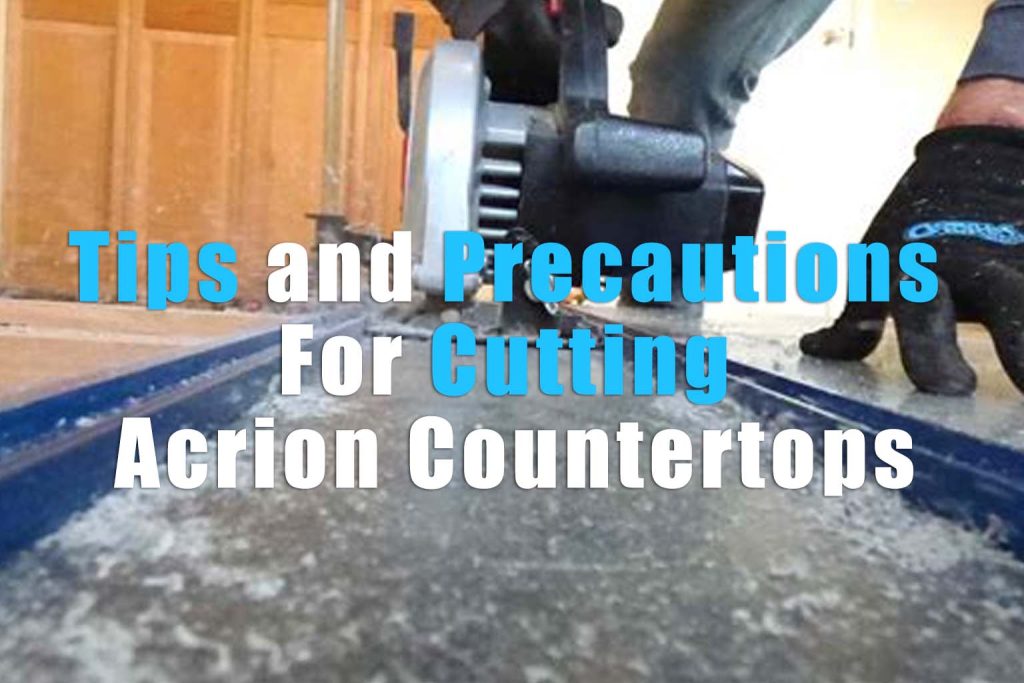
Präzises Schneiden ist die Grundlage für die professionelle Herstellung von festen Acryloberflächen. Die Schnittqualität hat direkten Einfluss auf die Maßgenauigkeit, die Nahtleistung, die Kantenintegrität, den Endbearbeitungsaufwand und die Gesamteffizienz der Fertigung.
Da feste Acryloberflächen für eine nahtlose Herstellung konzipiert sind, ist eine disziplinierte Schneidmethode unerlässlich, um saubere Verbindungen, stabile Leistung und hochwertige kommerzielle Projektergebnisse zu erzielen.
Warum Schnittqualität wichtig ist
Beim Schneiden handelt es sich nicht einfach nur um einen Materialtrennungsschritt. Es legt die Qualitätsbasis für den gesamten Herstellungsprozess fest.
- Maßgenauigkeit
- Qualität der Nahtverklebung
- Kantenintegrität
- Finishing-Effizienz
- Optimierung der Materialausbeute
- Langfristig gefertigte Leistung
1. Präzisionsschneiden vs. allgemeines Materialschneiden
Acryl-Mineraloberflächen erfordern eher eine fertigungsgerechte Schneidmethode als grobe, allgemeine Konstruktionsschnitte.
- Gleichbleibende Maßgenauigkeit
- Kontrollierter Randzustand
- Minimale Stresseinleitung
- Kompatibilität mit nachgelagerter Fertigung
Eine schlechte Schnittqualität führt häufig zu vermeidbaren Problemen bei der Nahtverbindung und Endbearbeitung.
2. Gerader Schnitt und Maßgenauigkeit
Gerade Schneidvorgänge legen die primäre Fertigungsgeometrie fest.
- Genauigkeit der Paneldimensionierung
- Konsistenz der Kantengeradheit
- Wiederholgenauigkeit für Produktionsarbeiten
- Nahtfertige Kantenvorbereitung
3. CNC-Fräsen und komplexe Fertigung
Die moderne Solid-Surface-Fertigung ist für wiederholbare Präzision und komplexe Geometrie häufig auf CNC-Fräsen angewiesen.
- Herstellung gebogener Profile
- Ausschnittbearbeitung
- Produktionskonsistenz
- Integrierte Bauteilbearbeitung
Die CNC-Fähigkeit ist besonders wertvoll für architektonische und kommerzielle Fertigungsabläufe.
4. Kantenintegrität und Chip-Prävention
Die Kantenqualität wirkt sich direkt auf die visuelle Akzeptanz und die Nahtleistung aus.
- Saubere Kantengeometrie
- Spanminimierung
- Spannungsempfindlicher Kantenschutz
- Verbesserte Klebebereitschaft
Beschädigte Kanten verlängern häufig die Endbearbeitungszeit und beeinträchtigen die Nahtqualität.
5. Empfindliche Ausschnittbereiche
Innenausschnitte und Engstellen gehören zu den empfindlichsten Fertigungszonen.
- Waschbeckenausschnitte
- Geräteöffnungen
- Innenecken
- Schmale Stützstreifen
Diese Bereiche erfordern eine kontrollierte Bearbeitungsstrategie, um das Risiko einer Spannungskonzentration zu minimieren.
6. Thermisches Stressmanagement
Unsachgemäße Schnittbedingungen können lokale Hitze erzeugen, die sich negativ auf die Materialqualität auswirkt.
- Risiko von Oberflächenspannung
- Kanteninstabilität
- Reduzierte Endkonsistenz
- Mögliche Auswirkungen auf die Klebeleistung
7. Staubkontrolle und Werkstattsicherheit
Bei der Herstellung fester Oberflächen entsteht bei Bearbeitungsvorgängen Feinstaub.
- Planung der Staubabsaugung
- Sichere Werkstattabläufe
- Saubere Fertigungsumgebung
- Verbesserte Qualitätskontrolle bei der Endbearbeitung
Die Sicherheit in der Werkstatt sollte als Teil der professionellen Fertigungsdisziplin behandelt werden.
8. Optimierung der Materialausbeute
Die Strategie des Präzisionsschneidens beeinflusst auch die Effizienz der kommerziellen Fertigung.
- Effizienz der Blattnutzung
- Abfallreduzierung
- Produktionskonsistenz
- Projektkostenoptimierung
Häufige Fehler beim Schneiden
- Grobes, nicht präzises Schneiden
- Schlechte Kantenqualitätskontrolle
- Ignorieren der Spannungsempfindlichkeit von Ausschaltstellen
- Übermäßige thermische Belastung
- Schwache Staubmanagementpraktiken
- Schlechte nachgelagerte Fertigungsplanung
QA-Checkliste für schnelles Schneiden
| Inspektionsbereich | Hauptfokus |
|---|---|
| Abmessungen | Präzise Genauigkeit |
| Kanten | Integrität und Sauberkeit |
| Ausschnitte | Stresssensitive Steuerung |
| Wärmemanagement | Minimierung des Hitzerisikos |
| Staubkontrolle | Sicherheit in der Werkstatt |
| Ertrag | Materialeffizienz |
Anwendungen, bei denen es auf Präzision beim Schneiden ankommt
- Empfangstheken
- Integrierte Spülenbaugruppen
- Arbeitsplatten für das Gesundheitswesen
- Wandverkleidungssysteme
- Einzelhandelstheken
- Architektonisch gefertigte Möbel
FAQ
Warum beeinflusst die Schnittqualität das Nahtbild?
Denn unebene oder beschädigte Schnittkanten verringern die Klebegenauigkeit und erhöhen die Schwierigkeit bei der Endbearbeitung.
Warum sind Spülbeckenausschnitte empfindlich?
Ausschnitte unterbrechen die Materialkontinuität und erzeugen spannungsempfindliche Zonen, die eine kontrollierte Fertigung erfordern.
Ist die Staubkontrolle bei der Herstellung fester Oberflächen wichtig?
Ja. Staubmanagement unterstützt die Sicherheit in der Werkstatt, eine sauberere Endbearbeitung und professionelle Fertigungsstandards.
Letzte Gedanken
Die professionelle Herstellung von festen Acryloberflächen beginnt mit einer disziplinierten Schneidmethode – nicht mit einer groben Materialbearbeitung.
ACRION entwickelt architektonische Mineralwerkstoffe, die für präzise Fertigung, nahtlose Integration und anspruchsvolle kommerzielle Anwendungen konzipiert sind.