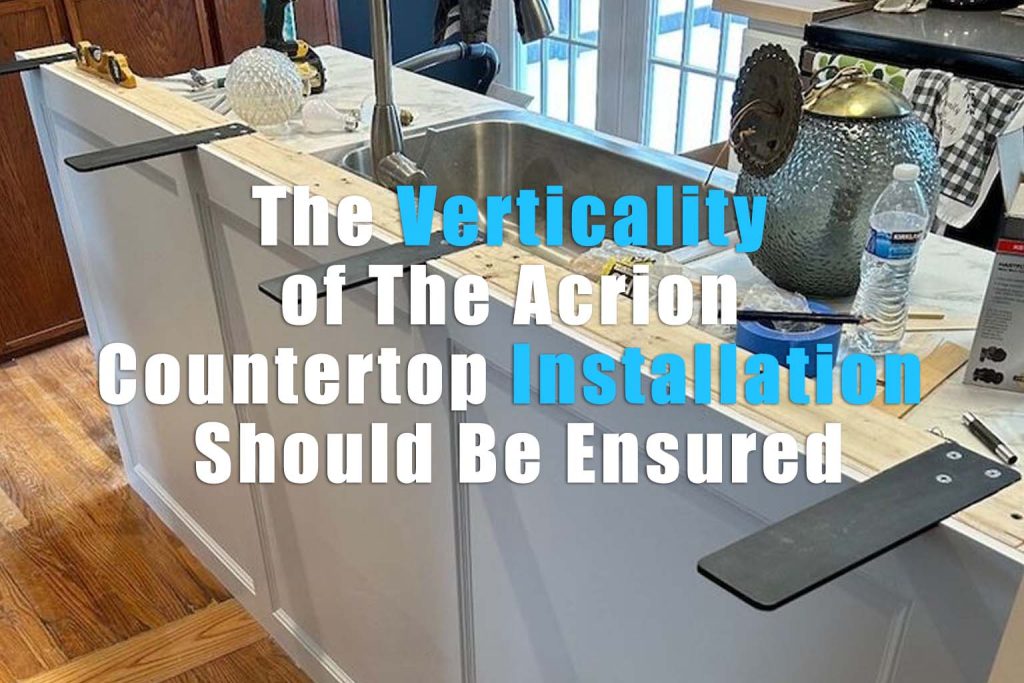
Die erfolgreiche Installation einer festen Acryloberfläche hängt von mehr als einer sorgfältigen Fertigung ab. Ausrichtungsqualität, Unterstützungsebene und Kontrolle der Schnittstellenanpassung spielen alle eine entscheidende Rolle bei der Erzielung eines professionellen Endergebnisses.
Sogar hochwertige Mineralwerkstoffmaterialien können schlecht verarbeitet erscheinen, wenn die Installationsausrichtung nicht ordnungsgemäß kontrolliert wird. Sichtbare Lücken, ungleichmäßige Nähte, geneigte vertikale Rücksprünge und instabile Stützbedingungen können die Projektqualität beeinträchtigen.
Warum die Installationsausrichtung wichtig ist
Bei Installationen auf festen Acryloberflächen handelt es sich häufig um zusammengebaute, gefertigte Systeme und nicht um einfache flache Oberflächen. Dazu können Wasserfallkanten, vertikale Rückführungen, Empfangstheken, integrierte Waschtische und maßgeschneiderte architektonische Anwendungen gehören.
Eine schlechte Ausrichtung kann zu Folgendem führen:
- Sichtbare Installationslücken
- Ungleichmäßige Nahtübergänge
- Unebene Oberflächen
- Falsch ausgerichtete vertikale Baugruppen
- Spannungsübertragung in gefertigte Verbindungen
- Schlechte optische Verarbeitung
1. Qualität der Arbeitsplatten-zu-Wand-Passform
Eines der häufigsten Probleme bei der Installationsqualität ist die uneinheitliche Passung zwischen der gefertigten Oberfläche und den angrenzenden Wänden.
Reale Bauumgebungen bieten selten perfekt gerade oder quadratische Wandverhältnisse. Eine professionelle Installation sollte diese Abweichungen durch kontrollierte Passdetails und nicht durch eine erzwungene Installation bewältigen.
Die Inspektion sollte sich auf Folgendes konzentrieren:
- Konsistentes Erscheinungsbild der Schnittstellenlücke
- Saubere Wandübergänge
- Keine sichtbare Verzerrung
- Korrekte Angaben zum Dichtmittel, sofern erforderlich
2. Kabinetts- und Unterstützungsniveau
Solid Surface ist ein Herstellungsmaterial, kein strukturelles Rahmensystem. Die Installationsqualität hängt in hohem Maße von einer stabilen und ebenen Unterstützung unter der gefertigten Baugruppe ab.
Die Support-Inspektion sollte Folgendes überprüfen:
- Ebene Schrankoberflächen
- Stabile tragende Stütze
- Kein Schaukeln oder Bewegen
- Konsistenter Strukturkontakt
Selbst kleine Abweichungen der Stützen können zu sichtbaren Fehlausrichtungen oder langfristigen Spannungsrissen führen.
3. Ausrichtung der Wasserfallkante
Wasserfallkantenanwendungen gehören zu den optisch anspruchsvollsten Mineralwerkstoffinstallationen.
Die Qualitätsprüfung sollte Folgendes bestätigen:
- Echte vertikale visuelle Ausrichtung
- Saubere Ecknahtausführung
- Kein schräger Auftritt
- Stabile strukturelle Unterstützung
Selbst geringfügige Fehlausrichtungen werden bei Wasserfallinstallationen sofort sichtbar.
4. Vertikale Montageausrichtung
Empfangstresen, vertikale Rückführungen und individuell gefertigte Baugruppen erfordern eine kontrollierte Lotausrichtung.
Eine Fehlausrichtung kann Folgendes verursachen:
- Schlechte visuelle Balance
- Stress an allen Nähten
- Sichtbare Verarbeitungsfehler
- Probleme bei der Kundenakzeptanz
5. Toleranzkoordination
Probleme bei der Installationsausrichtung resultieren häufig aus einer akkumulierten Toleranzschwankung und nicht aus einem einzelnen Fehler.
- Wandabweichung
- Variation der Schrankabmessungen
- Fertigungstoleranz
- Unterschiede im Bodenniveau
- Anpassung der Einbaupassung
Eine fachgerechte Installation sollte eine dimensionale Stapelung voraussehen und nicht von perfekten Standortbedingungen ausgehen.
6. Qualität der Nahtausrichtung
Nähte gehören zu den optisch empfindlichsten Teilen von Acryl-Mineraloberflächeninstallationen.
Bei der Inspektion sollte Folgendes überprüft werden:
- Sanfte Höhenübergänge
- Konsistente Endmischung
- Kein sichtbarer Grateffekt
- Kein stressauslösender Zwangssitz
7. Endgültige Qualitätsprüfung der Installation
Eine professionelle Qualitätssicherung sollte technische Prüfungen und Sichtprüfungen kombinieren.
- Direkte Sichtprüfung
- Prüfung der Spaltkonsistenz
- Berührungsinspektion von Nähten
- Stützstabilitätsprüfung
- Gesamtüberprüfung der Verarbeitungsqualität
Checkliste für die schnelle Installationsausrichtung
| Inspektionsbereich | Qualitätsfokus |
|---|---|
| Wandschnittstellen | Konsistente Passform und saubere Übergänge |
| Kabinettsunterstützung | Ebene und stabil |
| Wasserfallkanten | Echte vertikale Ausrichtung |
| Vertikale Baugruppen | Lotmäßiges Aussehen |
| Nähte | Glatt und ausgerichtet |
| Toleranzmanagement | Kontrollierte Passformanpassung |
Anwendungen, bei denen die Ausrichtungskontrolle am wichtigsten ist
- Empfangstheken
- Waschtischsysteme für Hotels
- Arbeitsplatten mit Wasserfallkante
- Einzelhandelstheken
- Arbeitsplatten für das Gesundheitswesen
- Architektonisch gefertigte Installationen
FAQ
Warum ist die Installationsausrichtung wichtig?
Eine schlechte Ausrichtung beeinträchtigt das Aussehen, die Nahtqualität, die strukturelle Spannungsverteilung und die langfristige Haltbarkeit.
Sind Wände immer vollkommen gerade?
Nein. Echte Bauumgebungen erfordern oft professionelles Passungsmanagement und Schnittstellendetaillierung.
Kann eine schlechte Unterstützung die Ausrichtung beeinträchtigen?
Ja. Instabile oder unebene Stützstrukturen sind eine der häufigsten Ursachen für Ausrichtungsfehler.
Letzte Gedanken
Professionelle Installationen auf festen Acryloberflächen sind auf eine disziplinierte Ausrichtungskontrolle, ein genaues Passmanagement und eine stabile Stütztechnik angewiesen – und nicht auf improvisierte Anpassungen während der Installation.
ACRION entwickelt Architekturmaterialien mit fester Oberfläche, die auf Fertigungszuverlässigkeit, nahtlose Ausführung und anspruchsvolle kommerzielle Anwendungen ausgelegt sind.