La superficie sólida acrílica es ampliamente reconocida por sus características de superficie renovable y reparabilidad a largo plazo. En interiores comerciales, instalaciones sanitarias, proyectos hoteleros, entornos minoristas y aplicaciones residenciales, las superficies están continuamente expuestas al desgaste diario, la abrasión, los impactos y el uso operativo rutinario.
A diferencia de muchos materiales decorativos convencionales que requieren un reemplazo completo después de que se produce un desgaste visible, la superficie sólida acrílica a menudo se puede restaurar mediante procedimientos profesionales de acabado y reparación localizada. Esta capacidad de superficie renovable es una de las principales razones por las que la superficie sólida acrílica sigue siendo muy valorada en las aplicaciones arquitectónicas modernas.
Por qué la superficie sólida acrílica es un material de superficie renovable
La superficie sólida acrílica presenta una estructura de material homogénea de cuerpo completo en lugar de un revestimiento decorativo delgado o una capa superficial laminada. Debido a que la composición del material se extiende consistentemente a lo largo de todo el espesor de la lámina, muchos tipos de desgaste de la superficie se pueden reparar mediante procedimientos de lijado, reacabado y restauración.
Esta estructura de superficie renovable permite que la superficie sólida acrílica mantenga su apariencia y funcionalidad a largo plazo incluso en entornos comerciales exigentes con uso diario continuo.
Tipos comunes de desgaste superficial
Con el tiempo, las instalaciones de superficie sólida acrílica pueden experimentar diferentes formas de desgaste superficial según el entorno de aplicación y las condiciones de mantenimiento.
- Rayones superficiales ligeros
- Reducción de brillo o falta de brillo
- Marcas de abrasión localizadas
- Desgaste de los bordes en áreas de alto contacto.
- Manchas y decoloración de la superficie.
- Daños por impacto menores
- Inconsistencia de la textura de la superficie
La mayoría de estas condiciones se pueden abordar mediante métodos de acabado profesionales sin requerir un reemplazo completo de la superficie.
Aplicaciones comerciales de alto tráfico y desgaste de superficies
En entornos arquitectónicos comerciales, los materiales de superficie están expuestos a una intensidad de uso significativamente mayor en comparación con las instalaciones residenciales.
Las aplicaciones comunes de alto tráfico incluyen:
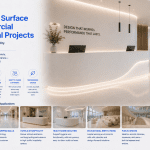
- Mostradores de recepción comerciales
- Encimeras sanitarias y puestos de enfermería
- Mostradores de servicio de restaurante
- Sistemas de tocador para hostelería
- Superficies de transacciones minoristas
- Sistemas de baños públicos
- Entornos educativos y de laboratorio.
En estos entornos, el desempeño del mantenimiento a largo plazo y la capacidad de restauración de superficies se convierten en consideraciones importantes del ciclo de vida para arquitectos, desarrolladores y operadores de instalaciones.
Métodos profesionales de acabado de superficies
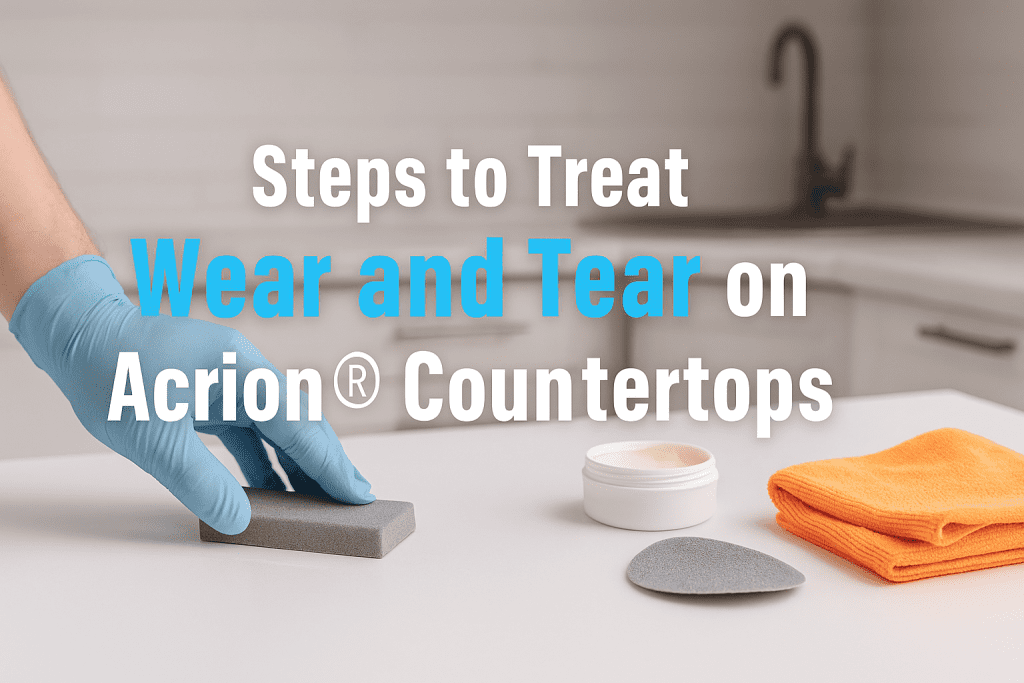
La mayoría de las condiciones de desgaste de la superficie se pueden reparar mediante procedimientos de reacabado controlados realizados por fabricantes experimentados o profesionales de mantenimiento.
- Lijado abrasivo progresivo
- Repintado de superficies orbitales
- Restauración de superficies mate y satinadas.
- Procedimientos de pulido localizados
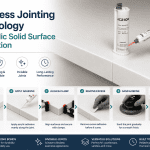
- Acabado y combinación de bordes
- Corrección de textura superficial
El acabado profesional restaura la consistencia de la superficie y al mismo tiempo preserva la apariencia original sin costuras de la instalación.
Consideraciones sobre el acabado superficial durante la restauración
Diferentes acabados de superficie requieren diferentes enfoques de restauración y expectativas de mantenimiento.
- Acabado mate: más fácil de mantener y repintar
- Acabado satinado: Aspecto equilibrado y rendimiento de mantenimiento a largo plazo.
- Acabado brillante: Visualmente llamativo pero más sensible a los rayones visibles y a la inconsistencia del pulido.
Para proyectos arquitectónicos comerciales con uso operativo intensivo, a menudo se prefieren los acabados mate y satinado porque brindan una mejor consistencia visual a largo plazo y una gestión de mantenimiento más sencilla.
Ventajas de la reparación localizada
Una de las principales ventajas de la superficie sólida acrílica en comparación con muchos materiales decorativos tradicionales es la capacidad de realizar reparaciones localizadas.
En lugar de reemplazar encimeras o sistemas de paredes completos después de que se produce un daño aislado, los fabricantes a menudo pueden reparar o restaurar solo la sección afectada manteniendo la apariencia visual perfecta de la instalación.
Esto reduce significativamente los costos de reemplazo a largo plazo y minimiza las interrupciones operativas en entornos comerciales.
Mantenimiento preventivo para el rendimiento de la superficie a largo plazo
Aunque la superficie sólida acrílica es reparable y renovable, aún se recomiendan prácticas de mantenimiento preventivo para preservar la apariencia a largo plazo y reducir el desgaste excesivo.
- Utilice tablas de cortar durante la preparación de alimentos.
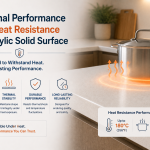
- Utilice almohadillas térmicas debajo de utensilios de cocina y electrodomésticos calientes.
- Evite la exposición directa a las llamas.
- Utilice productos de limpieza no abrasivos
- Evita fuertes impactos de objetos afilados.
- Realizar limpieza e inspección periódica de la superficie.
Una planificación de mantenimiento adecuada ayuda a prolongar la vida útil de las instalaciones de superficie sólida acrílica en aplicaciones residenciales y comerciales.
Ventajas del ciclo de vida para proyectos arquitectónicos
En los proyectos de interiores comerciales y arquitectónicos modernos, el rendimiento del ciclo de vida se ha vuelto cada vez más importante para los desarrolladores, arquitectos y administradores de instalaciones.
Las características renovables y reparables de la superficie sólida acrílica ayudan a reducir los costos operativos a largo plazo y al mismo tiempo extienden la vida útil del material.
A diferencia de muchos materiales decorativos que requieren un reemplazo completo después de que se produce un desgaste visible, la superficie sólida acrílica a menudo permite la renovación de la superficie al tiempo que preserva la continuidad del diseño original y la apariencia perfecta.
Superficie sólida arquitectónica diseñada para restauración a largo plazo
Desde instalaciones sanitarias e interiores de hostelería hasta sistemas de recepción comerciales y entornos arquitectónicos públicos, la superficie sólida acrílica sigue proporcionando una solución de superficie duradera, renovable y fácil de mantener para aplicaciones a largo plazo.
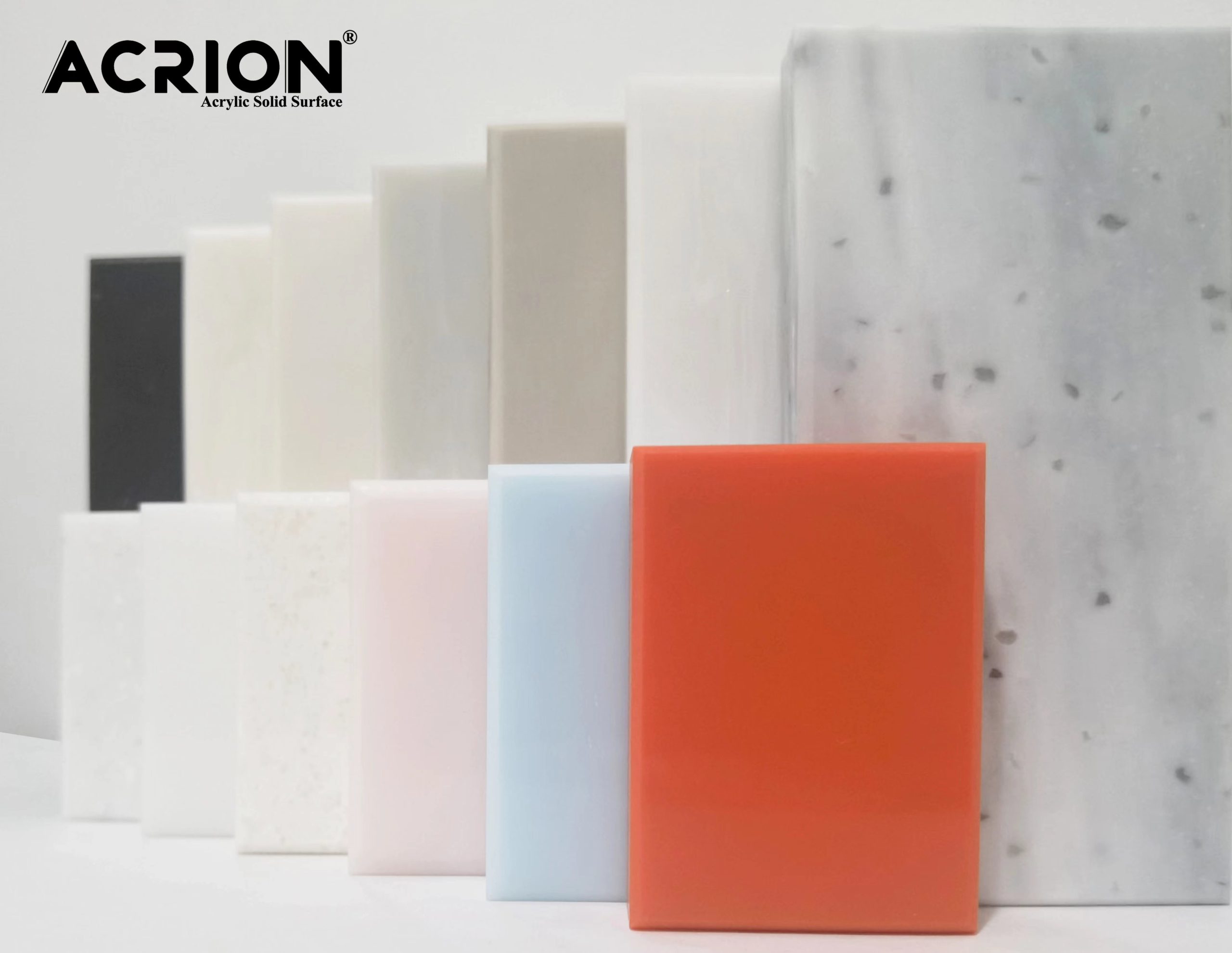
En ACRION, nos enfocamos en desarrollar materiales arquitectónicos de superficie sólida diseñados para una fabricación sin costuras, un rendimiento de superficie renovable y un mantenimiento comercial a largo plazo en todo el mundo.