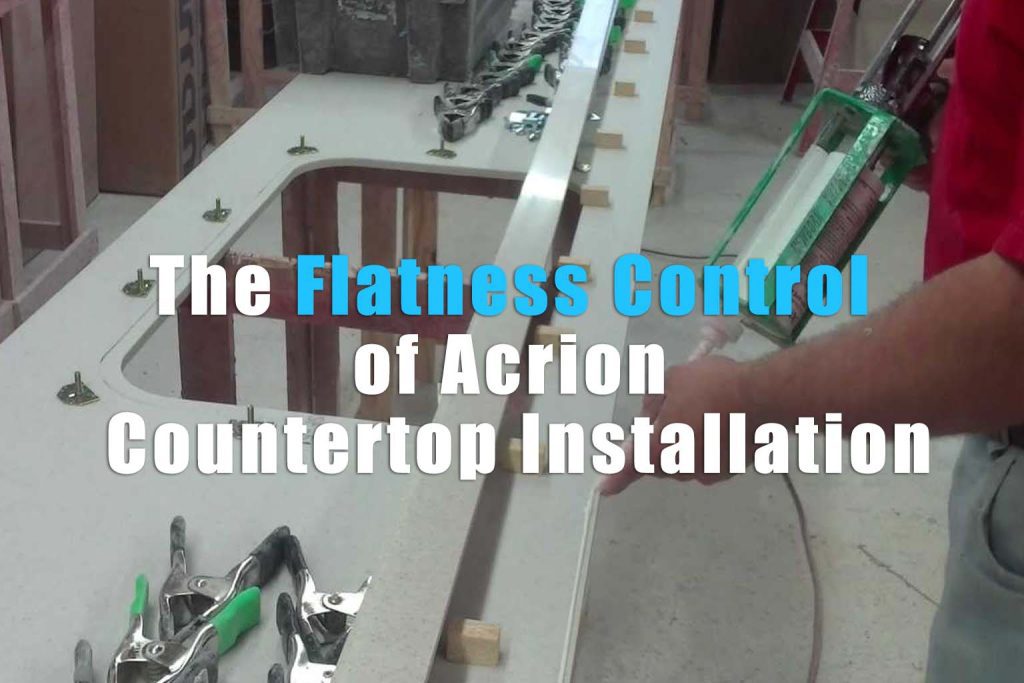
La planitud de la superficie es uno de los indicadores más importantes de la calidad de la instalación profesional de superficies sólidas acrílicas. Incluso cuando se utilizan materiales de primera calidad y una fabricación precisa, un control deficiente de la planitud puede comprometer la estética, la funcionalidad y el rendimiento a largo plazo.
Para arquitectos, fabricantes, contratistas y equipos de proyectos comerciales, la inspección de planitud debe tratarse como un requisito fundamental de garantía de calidad en lugar de una ocurrencia cosmética de último momento.
Por qué es importante la planitud en instalaciones de superficie sólida
La superficie sólida acrílica se valora por su apariencia perfecta, rendimiento higiénico, reparabilidad y flexibilidad de fabricación. Sin embargo, estas ventajas dependen en gran medida de la calidad de la instalación.
Una mala planitud puede provocar:
- Crestas de costura visibles
- Acumulación de agua en aplicaciones húmedas
- Reflexión desigual bajo iluminación.
- Mal rendimiento del drenaje
- Flacidez visual de largo alcance
- Reducción de la calidad de mano de obra percibida
Planicidad versus nivelación: comprender la diferencia
La planicidad y la nivelación son conceptos de ingeniería relacionados pero no idénticos.
- Llanura se refiere a qué tan uniforme y lisa es la superficie instalada.
- Ras Se refiere a cómo se alinea la superficie con respecto a una referencia horizontal.
Una superficie puede estar nivelada pero no perfectamente plana, o plana pero inclinada intencionalmente para drenaje en aplicaciones en áreas húmedas.
1. Control de planitud de costura
Las transiciones de juntas se encuentran entre las áreas visualmente más sensibles en las instalaciones de superficies sólidas acrílicas.
La inspección debe verificar:
- Transiciones de superficie suaves
- Ninguna diferencia de altura notable
- Textura de acabado consistente
- Sin efecto de cresta bajo luz direccional
La planitud de la costura influye fuertemente en la calidad percibida de la fabricación sin costuras.
2. Preparación del soporte y estabilidad de la superficie
La planicidad instalada depende en gran medida de la preparación del soporte.
La revisión de calidad debe incluir:
- Gabinete estable o soporte estructural
- Contacto de soporte constante
- Sin zonas de tensión sin soporte
- Consistencia de alineación del sustrato
Una mala preparación del soporte puede crear desniveles visibles incluso cuando la fabricación sea precisa.
3. Rendimiento de planitud de tramos largos
Las superficies fabricadas largas son más sensibles a la desviación de la planitud y al movimiento visual.
Las aplicaciones comunes incluyen:
- Mostradores de recepción
- Encimeras comerciales
- Mostradores de servicio de hostelería
- Montajes de muebles a medida.
La ingeniería de soporte debe tener en cuenta el comportamiento de carga a largo plazo.
4. Desempeño funcional en áreas húmedas
En sistemas de tocador, lavabos integrados y aplicaciones de higiene, la planitud afecta directamente a la funcionalidad.
Los problemas potenciales incluyen:
- Retención de agua
- Ineficiencia del drenaje
- Dificultad de limpieza
- Preocupaciones de higiene
La inspección de planitud siempre debe considerar la función del proyecto, no solo la apariencia.
5. Inspección visual de calidad
La inspección profesional de planitud debe combinar medición y evaluación visual.
- Inspección de la línea de visión de superficie
- Revisión de luz reflectante.
- Inspección táctil en las costuras.
- Verificación del drenaje funcional cuando corresponda.
6. Causas comunes de problemas de planitud
- Preparación de soporte desigual
- Mala ejecución de la costura.
- Deflexión estructural de gran luz
- Tensión de ajuste de instalación
- Inconsistencia del sustrato
- Corrección inadecuada durante la instalación.
Lista de verificación de inspección rápida de planitud
| Área de inspección | Enfoque de calidad |
|---|---|
| Costuras | Consistencia de transición suave |
| Apoyo | Base estructural estable |
| Luces largas | Control de deflexión |
| Zonas húmedas | Funcionalidad de drenaje |
| Acabado de la superficie | Consistencia del reflejo visual |
Aplicaciones donde la planitud es más importante
- Mostradores de recepción
- Encimeras sanitarias
- Sistemas de tocador para hoteles
- Instalaciones de fregaderos integrados
- Mostradores minoristas
- Ensamblajes arquitectónicos fabricados
Preguntas más frecuentes
¿Es lo mismo planicidad que nivelación?
No. La planitud describe la uniformidad de la superficie, mientras que la nivelación se refiere a la alineación horizontal.
¿Por qué algunas costuras se sienten desiguales?
Las causas comunes incluyen un acabado deficiente de las costuras, soporte desigual o tensión de instalación.
¿Puede la planicidad afectar el drenaje?
Sí. En aplicaciones húmedas, una mala planitud puede crear retención de agua y problemas de higiene.
Pensamientos finales
Las instalaciones profesionales de superficies sólidas acrílicas dependen de un control disciplinado de la planitud, una ingeniería de soporte estable y una ejecución de fabricación de alta calidad.
ACRION desarrolla materiales arquitectónicos de superficie sólida diseñados para una fabricación perfecta, un rendimiento funcional y aplicaciones de proyectos comerciales exigentes.