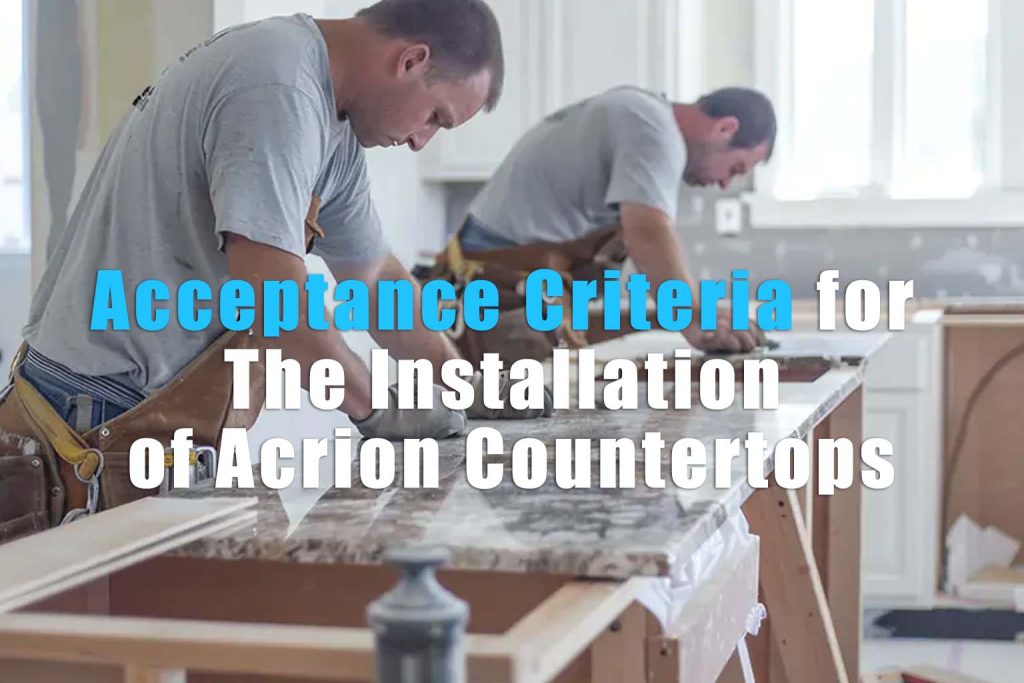
In professional solid surface fabrication, installation quality directly affects long-term appearance, structural reliability, hygiene performance, and client satisfaction. Whether for hospitality interiors, healthcare facilities, retail environments, commercial counters, or custom architectural applications, acrylic solid surface installations should follow clear acceptance criteria before project handover.
This guide outlines practical quality inspection standards for fabricators, installers, contractors, project managers, and distributors working with acrylic solid surface systems.
Why Installation Acceptance Criteria Matter
Even premium acrylic solid surface materials can perform poorly if fabrication or installation standards are inconsistent. Improper installation can lead to visible seams, stress cracks, water infiltration, unsupported deflection, uneven surfaces, and premature service issues.
Clear inspection standards help ensure consistent project quality and reduce after-sales disputes.
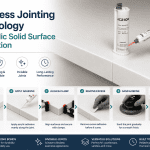
1. Seam Quality Inspection
Seam workmanship is one of the most critical inspection points in solid surface installations.
- Seams should be visually smooth under normal viewing conditions
- No visible height difference between adjoining surfaces
- Color transition should remain visually consistent
- No adhesive gaps, pinholes, cracking, or incomplete bonding
- No sharp seam ridges after finishing
Well-executed seamless fabrication is one of the defining advantages of acrylic solid surface compared with segmented materials.
2. Surface Flatness and Alignment
Installed surfaces should remain level, stable, and visually balanced.
- No noticeable rocking or instability
- No visible uneven transitions between adjoining sections
- No unsupported sagging or deflection
- Horizontal surfaces should maintain intended alignment
Improper cabinet leveling or inadequate support structures commonly create long-term stress failures.
3. Surface Finish Consistency
Finish quality should remain visually uniform across the installed application.
- Consistent matte / satin / gloss finish level
- No sanding swirl marks
- No polishing burns
- No deep scratches, chips, or repair marks
- No contamination trapped within finished surfaces
4. Edge Workmanship Quality
Edge finishing strongly affects both aesthetics and durability.
- Clean and smooth edge profiles
- Uniform radius consistency
- No sharp defects or chipping
- Mitred or laminated edges properly aligned
- No visible adhesive mismatch
5. Structural Support Inspection
Acrylic solid surface is a fabrication material—not a structural framing system.
La inspección debe verificar:
- Adequate substrate support
- Proper reinforcement where required
- Stable cabinet or framing structure
- Controlled unsupported spans
- No localized stress concentration points
Structural mistakes are one of the most common causes of later cracking.
6. Sink and Wet Area Inspection
For integrated sinks, vanity applications, or wet commercial environments, moisture management becomes critical.
- Proper sink bond integrity
- Smooth sink transition finishing
- Pendiente de drenaje correcta
- No water pooling
- Perimeter silicone properly applied
- No moisture trap zones
7. Wall Interface and Expansion Detailing
Interfaces between solid surface and surrounding construction should be carefully inspected.
- Transiciones de pared limpias
- Proper silicone sealing where required
- No excessive compression stress
- Allowance for thermal movement in sensitive applications
- No visible installation distortion
8. Functional Performance Check
Final acceptance should include practical performance validation.
- Stable surface under normal load
- No movement under use conditions
- Correct sink drainage
- No abnormal noise from movement stress
- No visual installation defects under practical lighting conditions
Quick Inspection Checklist
| Área de inspección | Acceptance Standard |
|---|---|
| Costuras | Smooth, level, visually consistent |
| Llanura | Stable, aligned, no deflection |
| Acabado superficial | Uniform appearance, no defects |
| Bordes | Clean, smooth, accurate profile |
| Apoyo | Adequate and stable |
| Wet Areas | Proper drainage and sealing |
| Wall Interfaces | Clean transitions, movement allowance |
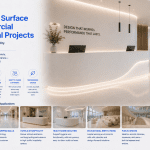
Where These Standards Matter Most
- Sistemas de tocador para hoteles
- Mostradores de recepción
- Encimeras sanitarias
- Estaciones de lavado comerciales
- Mostradores minoristas
- Áreas de preparación de servicios de alimentos.
- Custom architectural solid surface applications
Preguntas más frecuentes
What is the most common installation defect in solid surface projects?
Visible seams, uneven support, poor edge finishing, and stress cracking are among the most common workmanship issues.
Can poor installation damage premium solid surface materials?
Yes. Material quality alone cannot compensate for weak fabrication or installation practices.
Why is seamless joint inspection important?
Seam quality directly affects appearance, hygiene, and long-term structural integrity.
Pensamientos finales
High-quality acrylic solid surface installations depend on disciplined fabrication, precise installation, and professional inspection standards.
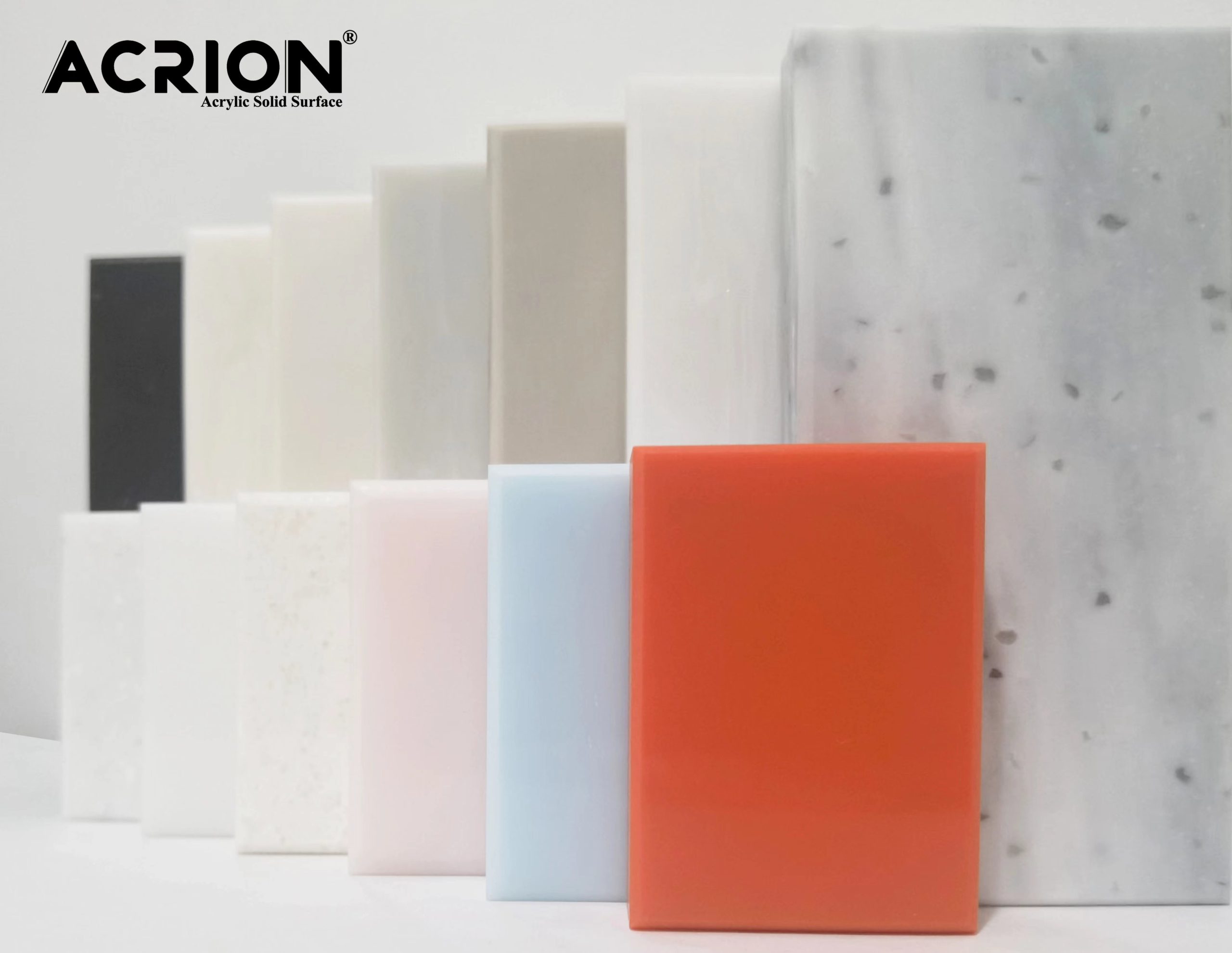
ACRION develops architectural solid surface materials engineered for fabrication performance, seamless applications, and commercial interior reliability.